

Initial Investment Comparison
A small factory with 2 HWAMDA SPV5 machines requires approximately $250,000-400,000 in total investment. This covers 2 machines ($80,000-120,000 each), 2-4 molds ($30,000-65,000 each), auxiliary equipment including chillers, hopper dryers, and conveyors ($20,000-40,000), factory preparation including electrical, compressed air, and flooring ($30,000-50,000), and initial raw material inventory ($15,000-25,000). A large factory with 10 machines requires $1.2-2.0 million in total investment. This includes 10 machines ($80,000-120,000 each), 15-25 molds for product diversity ($30,000-65,000 each), centralized auxiliary systems ($80,000-150,000), factory preparation for 800-1,200 square meters ($100,000-200,000), and IML automation for 2-4 lines ($40,000-100,000 each). The large setup also requires more working capital—typically $200,000-400,000 for raw materials, payroll, and operational expenses before revenue stabilizes. The return on capital is often higher for small factories initially because investment deploys into productive use more quickly, while large factories need longer to reach full utilization. The investment comparison should include not just equipment costs but also factory space requirements, utility infrastructure, and management overhead that scale differently between configurations.
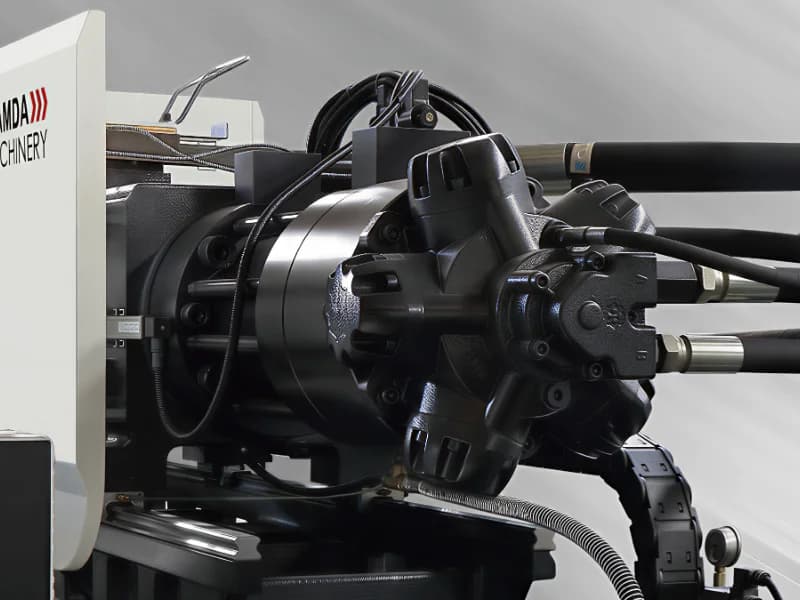
High-speed injection unit with linear guides
Operating Costs and Economies of Scale
Monthly operating costs for a 2-machine factory run approximately $25,000-40,000 covering raw materials ($15,000-25,000), electricity ($3,000-5,000), labor ($4,000-6,000 for 6-8 staff), and overheads ($3,000-5,000). The cost per unit is higher because fixed costs are spread over lower production volume. A 10-machine factory's monthly operating costs are $100,000-180,000, but the cost per unit is significantly lower. Bulk resin purchasing typically saves 5-10% per ton. Centralized chilling and material handling systems are more efficient per machine. Shared quality control, warehouse, and administration staff reduce per-unit overhead. Energy costs per kilogram of output decrease with larger, optimized facilities. Overall, a 10-machine factory achieves 15-25% lower cost per unit than a 2-machine operation, making it more competitive in price-sensitive markets. These scale advantages compound over time as bulk purchasing agreements, optimized staffing, and centralized systems create widening per-unit cost gaps that benefit larger operations. Over a 5-year horizon, the cumulative operating cost advantage of the larger factory can exceed $500,000, making the initial premium economically attractive for well-capitalized operators.
Market Risk and Flexibility
A small factory has lower financial exposure but higher concentration risk. With only 2 machines producing 2-4 products, losing a single customer or experiencing a demand drop for one product significantly impacts revenue. However, the small investment is easier to recover, and the business can pivot more quickly to different products by changing molds. A large factory distributes risk across more products and customers. With 10 machines running 15-25 different products (yogurt cups, food containers, sauce cups, tableware, margarine containers), the loss of any single customer represents a smaller percentage of total revenue. Product diversity also provides cross-selling opportunities and stronger negotiating position with distributors. However, the larger investment requires sustained market demand across multiple segments. HWAMDA recommends thorough market research and secured customer commitments before committing to large-scale factory investments. For emerging markets where demand is growing but uncertain, the small factory validates market opportunity affordably before committing to expansion based on proven rather than projected demand.
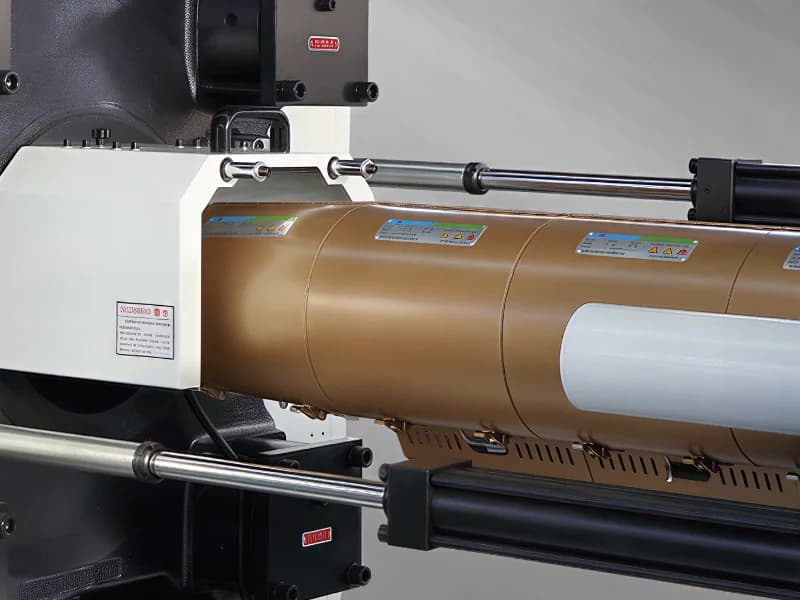
Servo-hydraulic drive system with energy recovery
Need Expert Advice?
Talk to our engineers about your specific production requirements. Free consultation.
Staffing Requirements
A 2-machine factory operates efficiently with 6-8 staff: 2-3 machine operators per shift (covering 2 shifts), 1 quality inspector, 1 warehouse/packing staff, and 1 manager handling sales and administration. Operators often handle multiple roles including quality checks and material loading. Training requirements are modest, and experienced operators can be developed within 2-3 months. A 10-machine factory requires 25-40 staff organized into dedicated functions: 8-12 machine operators across shifts, 2-3 mold technicians, 2-3 quality control staff, 3-4 warehouse and logistics staff, 2-3 maintenance technicians, and 3-5 management and administrative staff. The larger team enables specialization and professional operation but increases management complexity and payroll costs. Finding 8-12 experienced thin-wall molding operators can be challenging in some markets—HWAMDA provides operator training as part of machine commissioning. The management complexity difference should not be underestimated—10-machine factories require professional systems, software, and quality management that 2-machine operations handle informally. Workforce recruitment and retention also differ. Larger operations offer more structured career paths and better compensation, while smaller operations depend more on individual versatility.
Revenue and Profitability Projections
A 2-machine factory producing yogurt cups and food containers can generate monthly revenue of $40,000-70,000 with gross margins of 25-35%. At 85% machine utilization, 2 machines produce approximately 6-10 million cups or 3-5 million containers monthly. Net profit after all expenses ranges $8,000-18,000 per month, with payback period of 18-30 months for the initial investment. A 10-machine factory generates monthly revenue of $200,000-400,000 with improved gross margins of 30-40% due to economies of scale. Production capacity reaches 30-60 million cups or 15-30 million containers monthly across the product mix. Net profit ranges $50,000-120,000 per month, with payback period of 14-22 months—faster than the small factory due to better cost structure. However, achieving these projections requires established sales channels, reliable customer contracts, and consistent raw material supply. Both sizes can be profitable, but paths differ significantly in timeline, risk profile, and management requirements, making the choice fundamentally about investor risk tolerance.
Key Specs
- •A 2-machine factory producing yogurt cups and food containers can generate monthly revenue of $40,000-70,000 with gross margins of 25-35%.
- •At 85% machine utilization, 2 machines produce approximately 6-10 million cups or 3-5 million containers monthly.
- •A 10-machine factory generates monthly revenue of $200,000-400,000 with improved gross margins of 30-40% due to economies of scale.
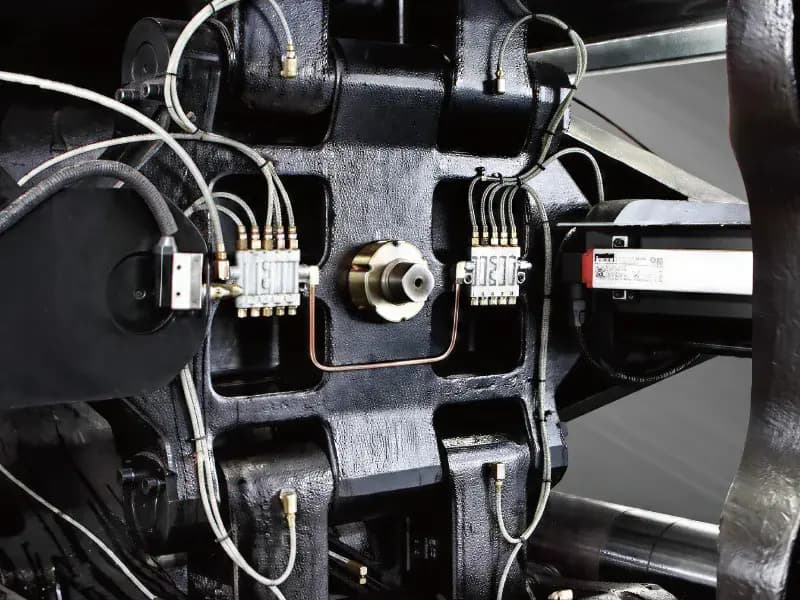
Toggle clamping unit — high rigidity for thin-wall molding
Recommended Growth Strategy
HWAMDA recommends a phased growth approach that minimizes risk while building toward scale economics. Phase 1 (months 1-12): Start with 2 HWAMDA SPV5 machines producing 2-3 core products. Focus on quality, reliability, and building customer relationships. Target $250,000-400,000 total investment. Phase 2 (months 12-24): Add 2-3 machines based on proven demand. Expand product range to 5-7 products. Introduce IML for premium products. Total cumulative investment reaches $500,000-800,000. Phase 3 (months 24-36): Scale to 6-8 machines with full product portfolio. Add automated packaging and palletizing. Investment reaches $800,000-1.3 million. Phase 4 (months 36+): Reach 10+ machines with optimized layout, centralized systems, and diversified product mix. Many successful HWAMDA customers followed this progression, building production expertise and market presence incrementally. Starting directly with 10 machines is viable only for experienced packaging industry operators with secured distribution agreements. Each growth phase should be triggered by demonstrated demand rather than optimistic projections, ensuring capital deploys efficiently matching actual customer orders.
Frequently Asked Questions
The minimum practical investment for a thin-wall packaging factory is approximately $150,000-200,000 for a single HWAMDA SPV5 machine with 1-2 molds and essential auxiliary equipment. However, HWAMDA recommends starting with 2 machines ($250,000-400,000 total) to ensure production continuity during maintenance and provide capacity for at least 2 different products. This investment level supports a viable business with monthly revenue potential of $40,000-70,000 and payback within 18-30 months. This approach allows testing market demand with manageable risk before committing to larger investment based on proven production and sales performance.
Related Guides
Ready to Start Your Project?
Get a free consultation and quotation for your thin-wall packaging production line.
Join 500+ manufacturers in 60+ countries who trust HWAMDA.
Get Free Quote