

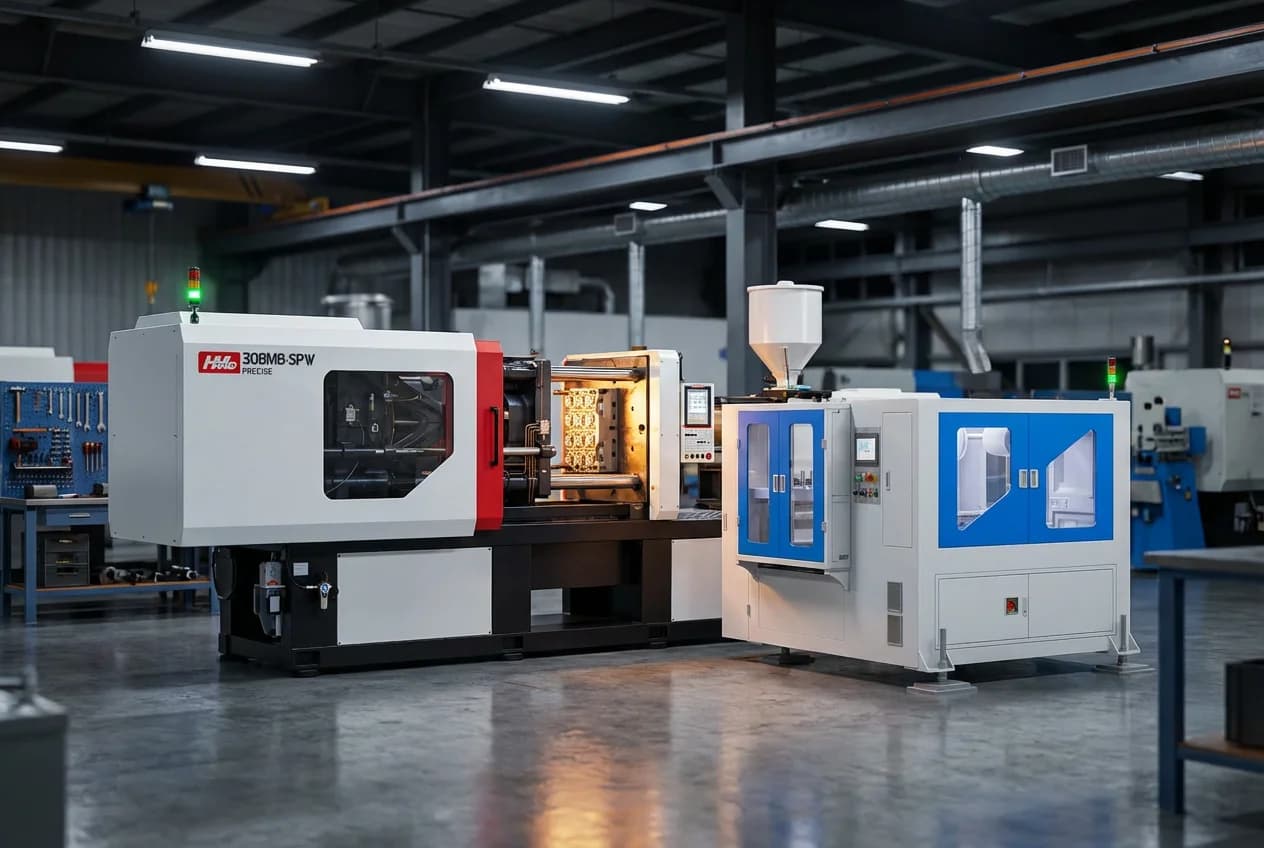
Clamping Specifications: Key Differences
The clamping systems on these two models differ more substantially than the 300 kN force gap suggests. The HMD 450M8-SPV (referencing the HMD 428M8-SPV platform at 4,280 kN) features platen size of 1,120 x 1,060 mm, tie bar distance of 720 x 660 mm, mold opening stroke of 650 mm, maximum daylight of 1,350 mm, and mold thickness range of 300-700 mm. The HMD 480M8-SPV delivers 4,800 kN with significantly larger platen size of 1,190 x 1,140 mm, wider tie bar distance of 760 x 710 mm, extended mold opening stroke of 720 mm, maximum daylight of 1,470 mm, and mold thickness range of 330-750 mm. The 480 provides 70 mm wider platen and 40-50 mm wider tie bar distance in each direction compared to the 450. This additional space is critical for fitting large-format molds with 8-16 cavities. The 120 mm greater daylight on the 480 at 1,470 mm versus 1,350 mm provides more clearance for deep-draw containers and IML robot operations. Both models feature 160 mm ejector stroke with 77 kN ejector force, though the 480's longer mold opening stroke of 720 mm versus 650 mm provides faster robot access for taller parts.
Key Specs
- •The clamping systems on these two models differ more substantially than the 300 kN force gap suggests.
- •The HMD 450M8-SPV (referencing the HMD 428M8-SPV platform at 4,280 kN) features platen size of 1,120 x 1,060 mm, tie bar distance of 720 x 660 mm, mold opening stroke of 650 mm, maximum daylight of 1,350 mm, and mold thickness range of 300-700 mm.
- •The HMD 480M8-SPV delivers 4,800 kN with significantly larger platen size of 1,190 x 1,140 mm, wider tie bar distance of 760 x 710 mm, extended mold opening stroke of 720 mm, maximum daylight of 1,470 mm, and mold thickness range of 330-750 mm.
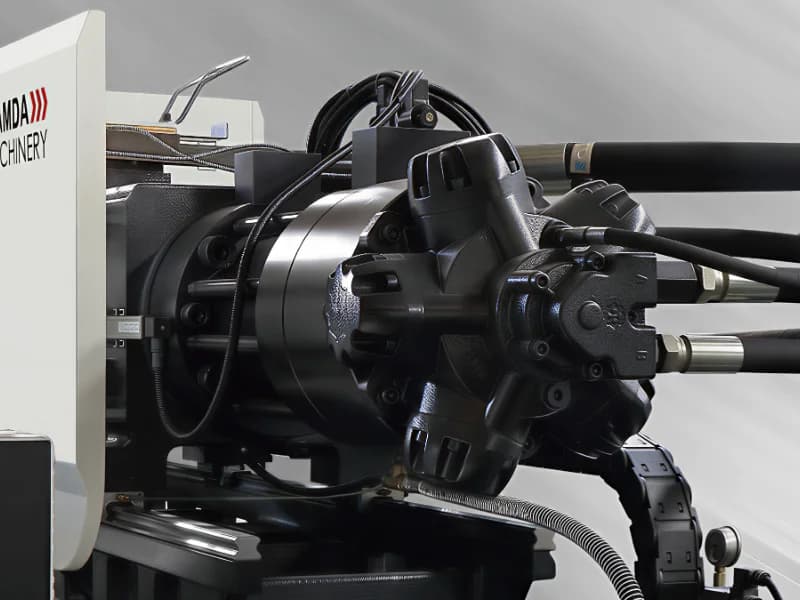
High-speed injection unit with linear guides
Shared High-Speed Injection Platform
Both machines utilize the same 865-series injection unit, delivering identical filling performance. Shared specifications include injection volume of 475-510 cm3, injection weight of 432-465 grams PP, injection speed of 517 mm/s, injection pressure of 182 MPa (55 mm screw) or 169 MPa (57 mm screw), screw diameter of 55 or 57 mm, screw L/D ratio of 25.3:1 or 24.4:1, screw stroke of 200 mm, and screw speed of 0-300 rpm. The 517 mm/s injection speed is among the highest in the SPV5 range, enabling reliable fill of walls down to 0.35 mm at flow lengths up to 120 mm. This speed also reduces injection time by approximately 30% compared to the 368 mm/s models, directly contributing to shorter cycle times. The injection pressure of 182 MPa matches the highest available in the SPV5 series, providing maximum capability for thin-wall applications. The 200 mm screw stroke with 475-510 cm3 volume means shot sizes for typical multi-cavity applications use 15-40% of capacity, ensuring excellent precision. Both machines feature dual 55+55 kW pump motors at 19 MPa system pressure, providing ample hydraulic power for charging-on-fly operation.
Applications: Large Containers and Multi-Cavity Molds
These machines target applications requiring substantial platen area combined with high-speed injection. The HMD 450M8-SPV excels at 8-cavity yogurt cup molds where the 720 x 660 mm tie bar distance accommodates standard mold layouts, 4-cavity food containers up to 750 ml with the platen area supporting rectangular mold footprints, and 16-cavity sauce cup molds for 30-60 ml cups where the 1,120 x 1,060 mm platen fits the 4x4 grid layout. The HMD 480M8-SPV extends these capabilities to 8-cavity large yogurt cups at 95 mm diameter where the wider 760 x 710 mm tie bar distance is needed, 4-cavity food containers up to 1,000 ml requiring the 1,190 x 1,140 mm platen for rectangular geometry, 24-cavity sauce cup molds where the larger platen accommodates the expanded grid, and multi-cavity IML applications where the 1,470 mm daylight provides clearance for dual-sided robot operations. For extra-large containers or special applications requiring maximum platen utilization, the 480 provides approximately 15% more usable platen area than the 450.
Key Specs
- •The HMD 450M8-SPV excels at 8-cavity yogurt cup molds where the 720 x 660 mm tie bar distance accommodates standard mold layouts, 4-cavity food containers up to 750 ml with the platen area supporting rectangular mold footprints, and 16-cavity sauce cup molds for 30-60 ml cups where the 1,120 x 1,060 mm platen fits the 4x4 grid layout.
- •The HMD 480M8-SPV extends these capabilities to 8-cavity large yogurt cups at 95 mm diameter where the wider 760 x 710 mm tie bar distance is needed, 4-cavity food containers up to 1,000 ml requiring the 1,190 x 1,140 mm platen for rectangular geometry, 24-cavity sauce cup molds where the larger platen accommodates the expanded grid, and multi-cavity IML applications where the 1,470 mm daylight provides clearance for dual-sided robot operations.
- •For extra-large containers or special applications requiring maximum platen utilization, the 480 provides approximately 15% more usable platen area than the 450.
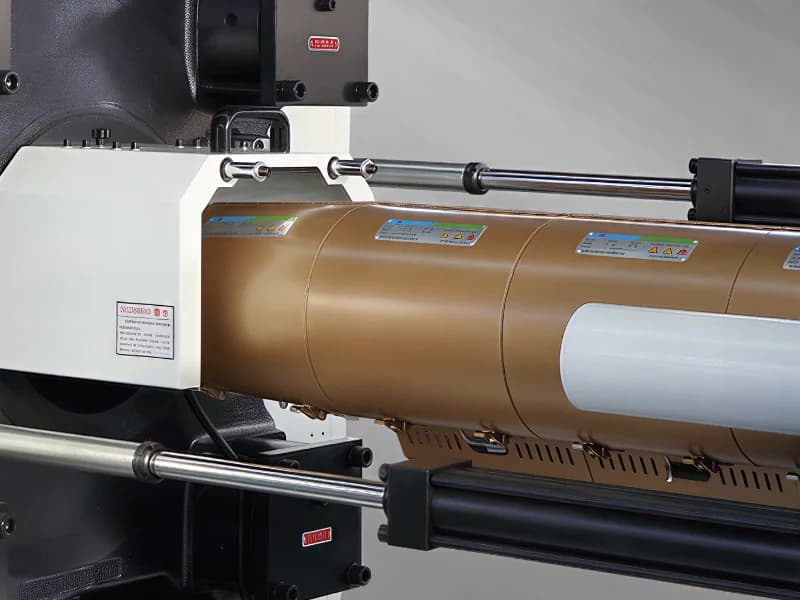
Servo-hydraulic drive system with energy recovery
Need Expert Advice?
Talk to our engineers about your specific production requirements. Free consultation.
Power Systems and Energy Comparison
Both machines share the same power configuration, making their operating costs virtually identical. The shared specifications include dual 55+55 kW servo-hydraulic pump motors, 19 MPa hydraulic system pressure, 27.5 kW heater power across 6 temperature control zones, and 480-liter oil tank. Machine dimensions are 7.4 x 2.0 x 2.4 m for the 450 and 7.7 x 2.0 x 2.4 m for the 480. Specific energy consumption is 1.0-1.2 kWh per kilogram of PP for both models, translating to annual energy costs of approximately 18,000-22,000 USD at 0.10 USD/kWh for typical production rates. The servo-hydraulic system provides 25-35% energy savings over standard hydraulic machines of equivalent tonnage. Both machines feature servo energy recovery during deceleration of clamp and injection movements. The identical pump power means both machines achieve similar dry cycle times and charging-on-fly performance, with the limiting factor being mold size and part geometry rather than machine hydraulic capacity. The oil tank at 480 liters is 100 liters larger than the 270-400 models, providing better thermal stability for continuous 24/7 operation at the higher power output.
Mold Compatibility and Changeover Analysis
The different platen and mold specifications between these models affect mold interchangeability. Molds designed for the HMD 450M8-SPV with 720 x 660 mm tie bar distance will fit on the 480 with its wider 760 x 710 mm spacing. However, molds designed to fully utilize the 480 platen may not fit the 450. The minimum mold thickness difference (300 mm for 450 versus 330 mm for 480) means very thin molds designed for the 450 may not be compatible with the 480 without spacer plates. Both machines accept maximum mold thicknesses adequate for all standard thin-wall packaging molds: 700 mm for the 450 and 750 mm for the 480. Changeover time on both models is 2-4 hours using the INOVA controller parameter recall from the 500-set storage. The 480's larger mold opening stroke of 720 mm versus 650 mm on the 450 provides faster access for mold maintenance during production pauses. For multi-machine facilities producing varied product ranges, standardizing on the 480 provides maximum mold compatibility across the production floor, as any mold that fits the 450 also fits the 480.
Key Specs
- •Molds designed for the HMD 450M8-SPV with 720 x 660 mm tie bar distance will fit on the 480 with its wider 760 x 710 mm spacing.
- •The minimum mold thickness difference (300 mm for 450 versus 330 mm for 480) means very thin molds designed for the 450 may not be compatible with the 480 without spacer plates.
- •Both machines accept maximum mold thicknesses adequate for all standard thin-wall packaging molds: 700 mm for the 450 and 750 mm for the 480.
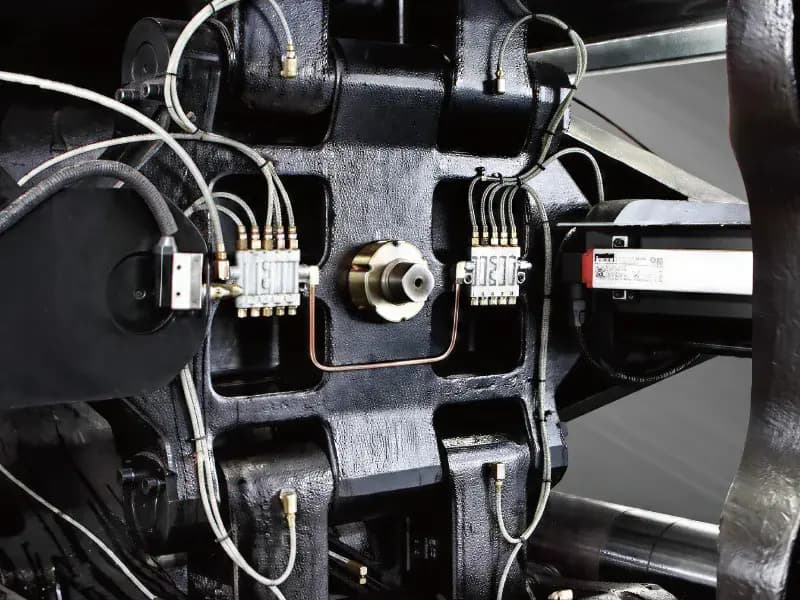
Toggle clamping unit — high rigidity for thin-wall molding
Purchase Decision Framework
The decision between HMD 450M8-SPV and HMD 480M8-SPV should follow a structured evaluation. Choose the 450 when your mold portfolio fits within 720 x 660 mm tie bar distance, maximum required clamping force stays below 4,200 kN with adequate safety margin, production focuses on medium-format products where the 1,350 mm daylight provides sufficient robot clearance, and budget optimization is a priority. Choose the 480 when you need the wider 760 x 710 mm tie bar distance for large molds, applications approach 4,500 kN clamping force, deep-draw containers or complex IML configurations require the 1,470 mm maximum daylight, you plan 24-cavity or higher sauce cup molds that utilize the full platen area, or you are investing in a primary production machine that must handle the widest range of future products. The 480 typically costs 8-12% more than the 450 but provides significantly more platen area and daylight. For facilities producing large containers, the 480's additional capability often justifies the investment through reduced mold design constraints and improved robot access that can shorten cycle times by 0.3-0.5 seconds.
Frequently Asked Questions
Yes, both the HMD 450M8-SPV and HMD 480M8-SPV deliver 517 mm/s injection speed with their shared 865-series injection unit using 55-57 mm screws. This is the same high-speed platform, providing identical filling performance for any mold. The injection capacity is also identical at 432-465g PP, with injection pressure of 182/169 MPa. The only differences between these machines are in the clamping system: force, platen size, tie bar distance, and daylight.
Related Guides
Ready to Start Your Project?
Get a free consultation and quotation for your thin-wall packaging production line.
Join 500+ manufacturers in 60+ countries who trust HWAMDA.
Get Free Quote