

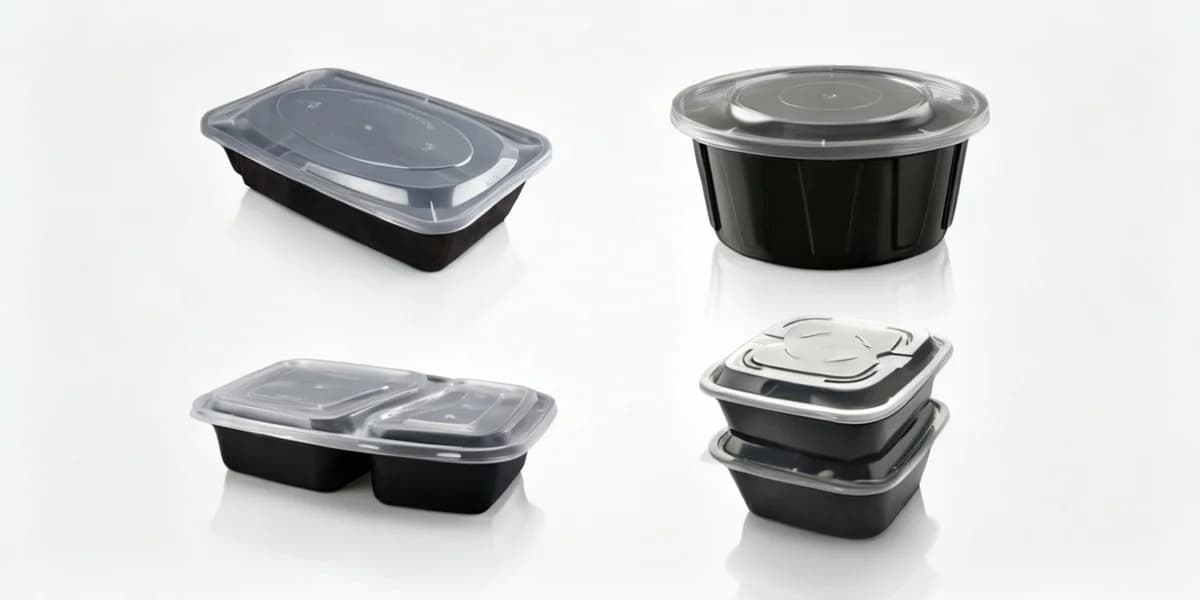
Food Container Market Demand in India
India's food packaging sector is projected to reach $60 billion by 2027, with thin-wall injection-molded PP containers growing fastest at 18-22% annually. The explosive growth of food delivery through Swiggy, Zomato, and cloud kitchens in Indian metros creates enormous demand for disposable containers in 250 mL to 1000 mL formats. Modern retail expansion by Reliance Retail, DMart, and BigBasket drives demand for ready-to-eat meal containers and fresh produce packaging. India's quick-service restaurant sector, led by Domino's, McDonald's, and local chains like Haldiram's, requires billions of containers annually. PP container production is shifting from conventional to thin-wall technology as material cost savings of 15-25% become critical for price-sensitive Indian markets. Indian converters in packaging hubs like Mumbai, Delhi NCR, Chennai, and Ahmedabad are actively investing in Chinese thin-wall molding equipment to build capacity for this high-growth segment. The growing demand across both traditional retail and modern foodservice channels creates a sustained need for high-volume, cost-efficient food containers production equipment.In South Asia's competitive landscape, India-based producers leveraging high-speed thin-wall molding outperform rivals relying on imported products or slower machinery.
Key Specs
- •India's food packaging sector is projected to reach $60 billion by 2027, with thin-wall injection-molded PP containers growing fastest at 18-22% annually.
- •PP container production is shifting from conventional to thin-wall technology as material cost savings of 15-25% become critical for price-sensitive Indian markets.
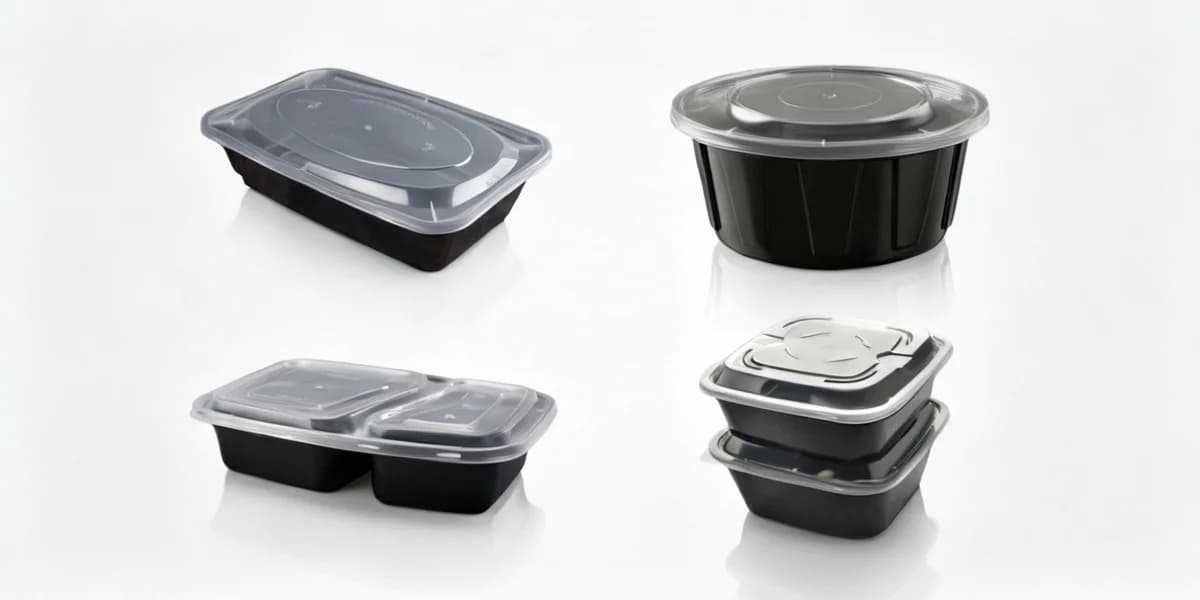
Thin-wall food containers — 500ml to 1500ml range
Recommended Machine: HMD 480M8-SPV (480-530T)
The HMD 480M8-SPV for India operates on 415V/50Hz power standard across Indian industrial zones. The 4800-5300 kN clamping force system is designed for tropical conditions with ambient temperatures reaching 45 degrees Celsius, featuring enhanced oil cooling, dust-sealed electrical enclosures, and corrosion-resistant treatment for high-humidity environments. Injection speed of 500 mm/s fills thin-wall containers reliably even with Indian PP grades that may have higher moisture content. Energy consumption of 5.0-6.5 kWh/kg is crucial for Indian operations where electricity costs INR 7-10/kWh vary significantly by state. The machine includes UPS-compatible PLC controls for areas with unstable power supply. The touchscreen HMI supports English with intuitive visual interfaces suitable for Indian operator training levels. HWAMDA ships over 50 machines annually to India, making it one of the largest markets for SPV5 thin-wall equipment.For India operations, the machine's hardened steel platens and T-slot mounting system provide the structural rigidity needed for precision thin-wall molding at high speeds.For India installations, the servo pump controller's real-time pressure feedback loop maintains consistent shot weight and fill quality across multi-cavity molds.
Mold Configuration: 8-Cavity for India
HWAMDA's 8-cavity food container mold for India produces formats aligned with Indian market needs including round containers for curry and dal (500-750 mL), rectangular biryani boxes (750-1000 mL), and compartmented thali-style trays. The valve-gate hot runner system ensures balanced filling of 0.5-0.7 mm wall sections across all 8 cavities. H13 steel inserts at 48-52 HRC provide durability for Indian 24-hour production schedules. Cooling design accounts for Indian ambient conditions, using chiller water at 12-18 degrees Celsius. For Indian customers, HWAMDA offers 4-cavity and 6-cavity entry-level options at lower investment points, enabling small and medium enterprises to enter thin-wall production. The mold includes features for secure lid snap-fit critical for food delivery applications where containers undergo rough handling during transport. HWAMDA's mold engineering team provides comprehensive DFM (Design for Manufacturability) analysis before mold production begins, optimizing gate location, cooling channel layout, and ejection strategy for the specific food containers geometry.HWAMDA's quality protocol for India orders includes complete dimensional inspection and trial molding at our facility prior to shipping via Nhava Sheva (Mumbai).
Key Specs
- •The valve-gate hot runner system ensures balanced filling of 0.5-0.7 mm wall sections across all 8 cavities.
- •H13 steel inserts at 48-52 HRC provide durability for Indian 24-hour production schedules.
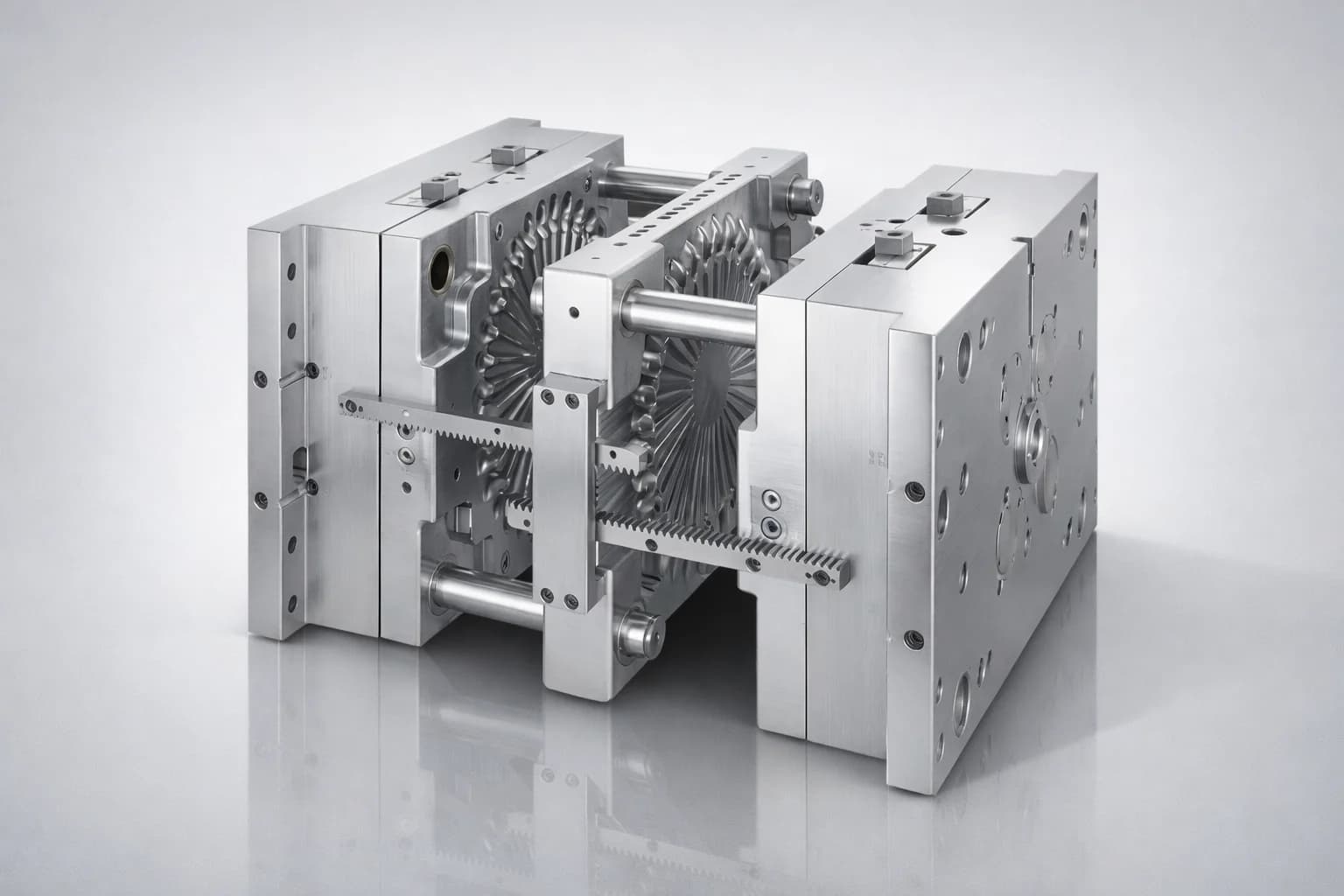
Stack mold technology doubles output per cycle
Need Expert Advice?
Talk to our engineers about your specific production requirements. Free consultation.
Capacity Calculation & Throughput Optimization
With 8 cavities at 5-7 second cycle times, the HMD 480M8-SPV produces 4,114-5,760 containers per hour. Operating 22 hours daily yields approximately 90,000-127,000 containers per day, reaching 27-38 million containers annually per machine. Indian food packaging operations typically scale from 1 machine to 4-6 machines rapidly as food delivery volumes grow. HWAMDA's production planning for Indian installations factors in 85-90% OEE accounting for power interruptions, workforce skill levels, and tropical humidity effects on PP processing. Material consumption of 100-175 kg/hour per machine uses Indian PP grades from Reliance Industries (H110MA, H200MA) and IOCL available through domestic distributor networks. HWAMDA recommends hopper dryers on each machine and centralized dehumidifying systems for Indian monsoon conditions to maintain below 0.02% moisture content in PP resin.HWAMDA's engineering team builds a production capacity model specific to each India customer's operating conditions, product lineup, and growth targets.The capacity model for India projects includes scenario analysis across different cycle times, helping investors understand output ranges under various operating conditions.
Budget Framework & Profitability Projections
A complete HWAMDA food container line for India costs approximately $200,000-280,000 USD CIF Nhava Sheva or Chennai, including machine, mold, and standard auxiliary equipment. This pricing is 50-60% below European alternatives and represents strong value for Indian manufacturers. At 30 million containers annually with conversion margins of INR 0.30-0.50 per container, gross annual revenue reaches INR 90-150 lakhs ($110,000-180,000). Indian operating advantages include labor at INR 15,000-25,000/month per operator and domestic PP resin from Reliance at INR 95,000-115,000/tonne. Equipment payback ranges from 18-26 months depending on product mix and utilization. HWAMDA accepts LC at sight through major Indian banks including SBI, HDFC, and ICICI. Indian customs duty on injection molding machines is approximately 7.5% plus GST. HWAMDA's competitive pricing reflects the company's focused specialization in thin-wall injection molding rather than general-purpose machinery, enabling manufacturing efficiencies and application expertise that reduce total cost of ownership for food containers production applications.The production system is engineered for round-the-clock autonomous operation, a critical requirement for India manufacturers running multi-shift production.
Key Specs
- •This pricing is 50-60% below European alternatives and represents strong value for Indian manufacturers.
- •Indian customs duty on injection molding machines is approximately 7.5% plus GST.
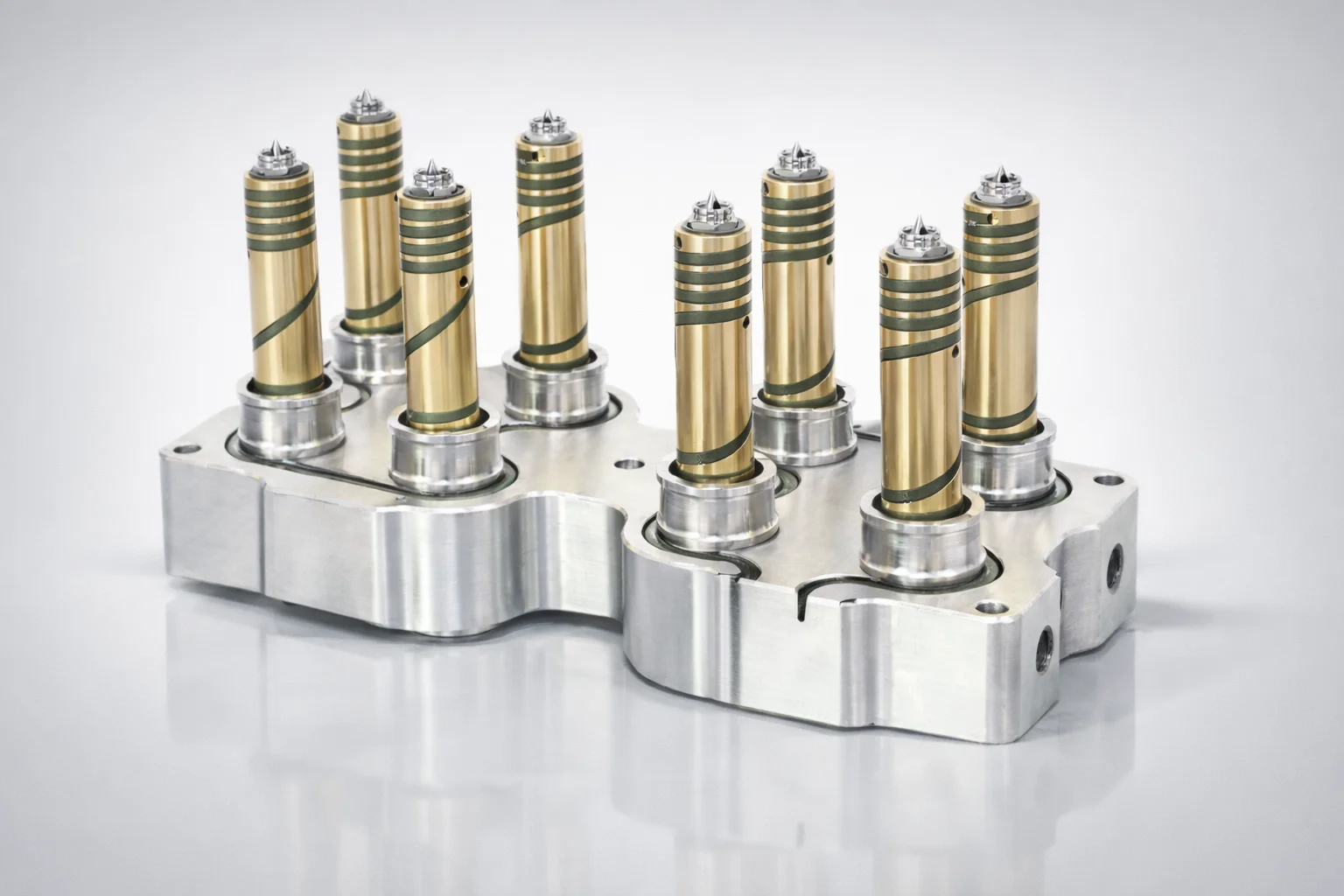
Valve gate system for gate vestige-free containers
Delivery Network & Parts Availability
HWAMDA ships to India through Nhava Sheva (Mumbai), Chennai, and Mundra ports with transit from Ningbo averaging 14-18 days. Equipment clears Indian customs under HS code 8477.10 with standard import documentation. HWAMDA maintains a strong Indian service network with agent offices in Mumbai, Delhi, and Chennai providing local language support in Hindi and regional languages. Two HWAMDA engineers visit for 7-10 days of installation and training. Spare parts for common wear items are stocked at HWAMDA's Indian agent warehouse with same-week delivery across major Indian cities. Remote PLC diagnostics via internet connection enable real-time troubleshooting during Indian business hours. HWAMDA's extensive Indian customer base provides reference installations that prospective buyers can visit before purchasing.A dedicated project manager handles every India order end-to-end, from production scheduling through customs documentation and delivery coordination to Nhava Sheva (Mumbai).After installation in India, HWAMDA provides a 90-day production optimization window with priority remote engineering support to fine-tune performance.
Frequently Asked Questions
Indian customs duty on injection molding machines (HS 8477.10) is approximately 7.5% basic customs duty plus social welfare surcharge, with 18% GST applicable on the assessed value. Total landed cost including duties typically adds 28-32% to CIF value. Indian buyers can claim GST input tax credit against output tax. HWAMDA provides all documentation required for smooth Indian customs clearance including commercial invoice, packing list, and certificate of origin. HWAMDA maintains comprehensive technical files and test reports for all machines and molds, available upon request for regulatory and quality audit purposes.
Related Guides
Ready to Start Your Project?
Get a free consultation and quotation for your thin-wall packaging production line.
Join 500+ manufacturers in 60+ countries who trust HWAMDA.
Get Free Quote