

ISO 22000 Framework for Packaging Manufacturers
ISO 22000:2018 integrates four key elements for food safety management: interactive communication along the food chain, system management (ISO management system structure), prerequisite programs (PRPs), and HACCP principles. For thin-wall packaging manufacturers, the standard requires establishing a food safety team with defined competencies, conducting a hazard analysis covering biological, chemical, physical, and allergen hazards (allergen cross-contact through shared packaging equipment is increasingly scrutinized), and implementing operational prerequisite programs (OPRPs) and CCPs to control identified hazards. ISO 22000 uses the Plan-Do-Check-Act cycle aligned with the ISO High Level Structure shared with ISO 9001:2015 and ISO 14001:2015, enabling integrated management system implementation. For HWAMDA SPV5 production facilities, the standard applies to all activities from PP resin procurement and incoming inspection through injection molding, IML decoration, downstream packaging, warehousing, and dispatch. The scope statement should clearly define your product categories (for example: injection-molded PP food containers) and applicable regulatory requirements (FDA 21 CFR, EU 10/2011, or local food contact regulations).
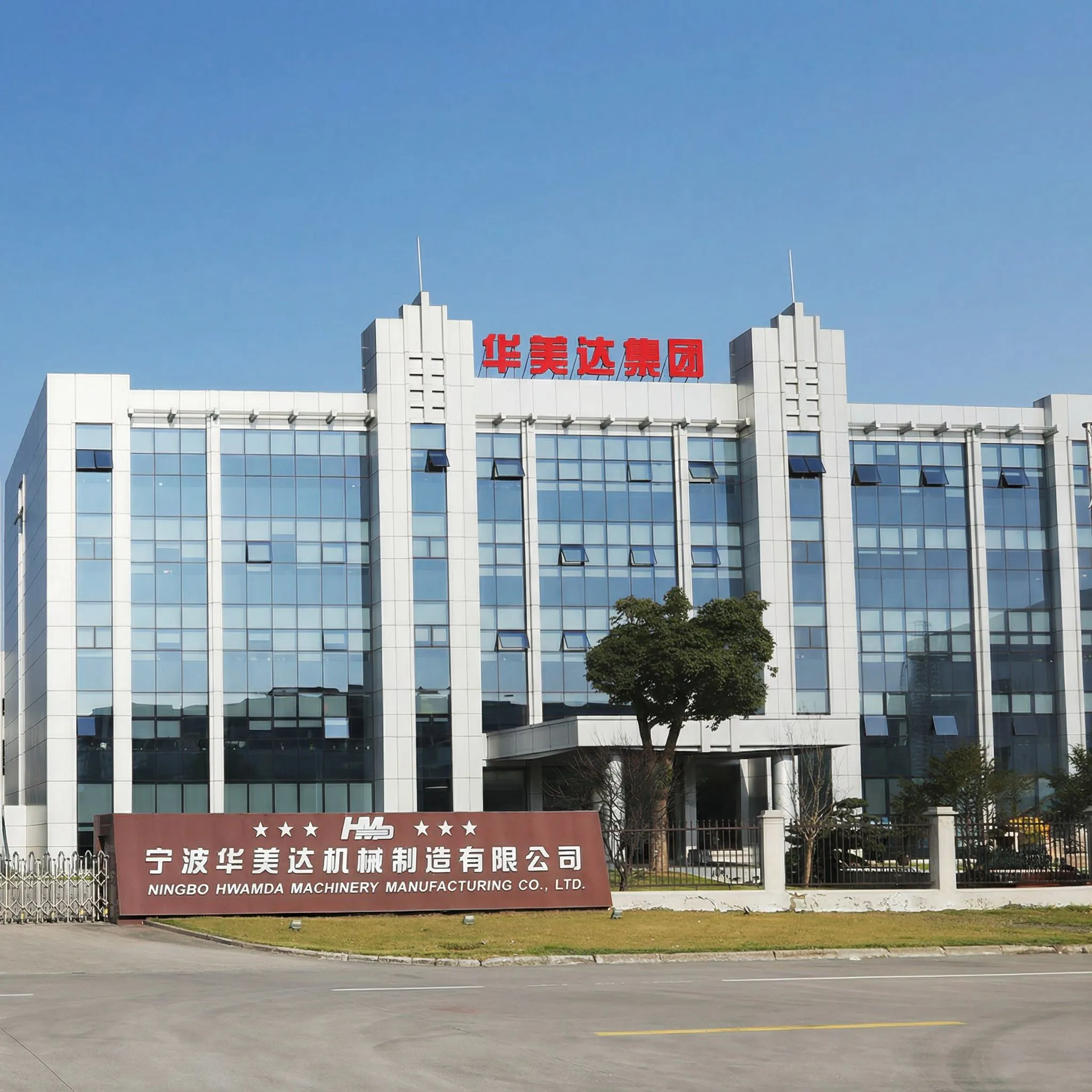
HWAMDA factory — quality manufacturing since 2003
Prerequisite Programs for Injection Molding Facilities
ISO 22000 requires documented prerequisite programs (PRPs) based on ISO/TS 22002-4 (prerequisite programs on food safety for food packaging manufacturing). Key PRPs for HWAMDA SPV5 production facilities include: facility construction and layout ensuring logical product flow from raw material to finished goods with no cross-over points, adequate ventilation with filtered air supply (minimum EU4 filtration for production areas), lighting at minimum 540 lux at inspection points, water supply management for cooling systems with documented treatment and testing procedures, and pest management with documented inspections (monthly minimum) and trend analysis. Equipment maintenance PRPs require documented preventive maintenance schedules for all SPV5 machines covering hydraulic, electrical, and mechanical systems aligned with the maintenance guides in this series. Personnel hygiene PRPs mandate handwashing facilities at production area entry points, clean workwear (lint-free for direct contact operations), health screening for personnel handling finished packaging, and training on food safety awareness. Waste management PRPs require segregation of production waste (PP regrind, startup purge, rejects) from general waste, with documented disposal records. Chemical control PRPs require a chemical register, safety data sheets, and approved chemical lists for cleaning agents and lubricants.
Hazard Analysis for Thin-Wall Packaging Production
Conduct a comprehensive hazard analysis following Codex Alimentarius HACCP principles, identifying hazards at each process step in your SPV5 production line. Physical hazards: metal fragments from screw or barrel wear (control: inline metal detector at sensitivity of 1.5mm Fe, 2.0mm non-Fe), plastic contamination from degraded material (control: screen packs at 120 mesh, visual inspection), and foreign objects from the production environment (control: housekeeping PRPs, glass register). Chemical hazards: migration of non-food-grade additives (control: approved supplier list, food-contact compliance declarations), residual mold release agents (control: food-grade release agents only, application procedures), cleaning chemical residues (control: rinse verification procedures), and degraded material from excessive processing temperature (control: INOVA controller temperature monitoring with automatic alarm at setpoint plus 15°C). Biological hazards: microbial contamination from cooling water condensation on mold surfaces (control: water treatment, mold surface drying procedures), and mold growth in stored packaging (control: humidity monitoring below 65% RH in warehouse). Classify each hazard by severity and likelihood to determine whether it requires control through PRPs, OPRPs, or CCPs. Typically, metal detection is the only CCP for thin-wall packaging production.
Key Specs
- •Physical hazards: metal fragments from screw or barrel wear (control: inline metal detector at sensitivity of 1.5mm Fe, 2.0mm non-Fe), plastic contamination from degraded material (control: screen packs at 120 mesh, visual inspection), and foreign objects from the production environment (control: housekeeping PRPs, glass register).
- •Chemical hazards: migration of non-food-grade additives (control: approved supplier list, food-contact compliance declarations), residual mold release agents (control: food-grade release agents only, application procedures), cleaning chemical residues (control: rinse verification procedures), and degraded material from excessive processing temperature (control: INOVA controller temperature monitoring with automatic alarm at setpoint plus 15°C).
- •Biological hazards: microbial contamination from cooling water condensation on mold surfaces (control: water treatment, mold surface drying procedures), and mold growth in stored packaging (control: humidity monitoring below 65% RH in warehouse).
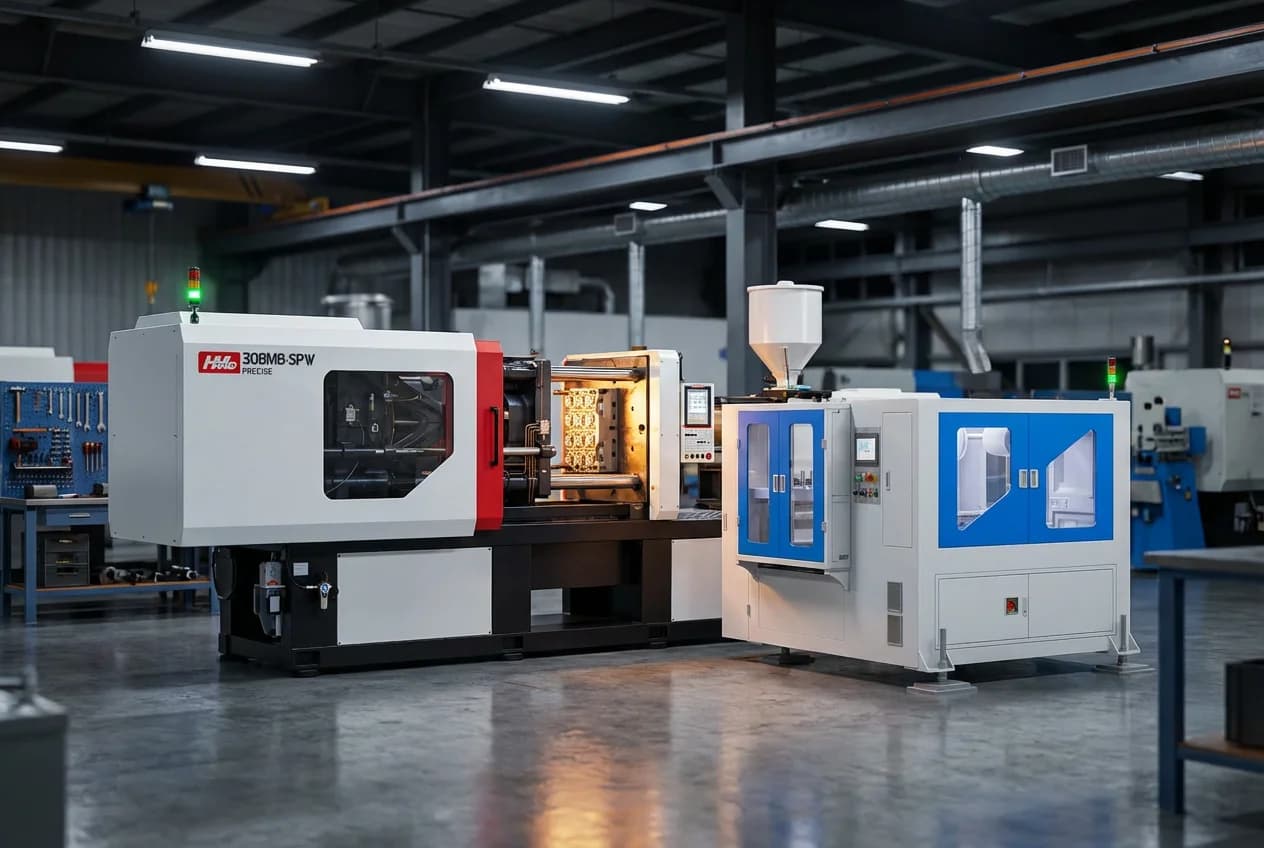
SPV5 machines on the production floor
Need Expert Advice?
Talk to our engineers about your specific production requirements. Free consultation.
FSSC 22000 Upgrade Path
FSSC 22000 (Food Safety System Certification) builds on ISO 22000 by adding specific requirements from ISO/TS 22002-4 for packaging and additional FSSC requirements. FSSC 22000 is benchmarked by the Global Food Safety Initiative (GFSI), meaning it satisfies the food safety certification requirements of virtually all major multinational food companies. The upgrade from ISO 22000 to FSSC 22000 requires: full implementation of ISO/TS 22002-4 prerequisite programs (many already covered if ISO 22000 is properly implemented), additional FSSC requirements including food defense (intentional contamination prevention), food fraud mitigation (verification of raw material authenticity), management of allergens, environmental monitoring, and product labeling. For packaging manufacturers, the food defense requirement involves conducting a vulnerability assessment of your facility and implementing controls such as access control to production areas, tamper-evident finished goods packaging, and visitor management procedures. The FSSC 22000 certificate is renewable every 3 years with annual surveillance audits. Certification cost for the FSSC upgrade beyond ISO 22000 adds $3,000-8,000 for the additional audit scope. HWAMDA recommends pursuing FSSC 22000 directly rather than ISO 22000 alone, as the incremental effort is modest and the market acceptance is significantly broader.
Implementation Timeline and Resource Requirements
Implement ISO 22000/FSSC 22000 over an 8-14 month period depending on existing management system maturity. Months 1-2: gap assessment and project planning—hire a certified food safety consultant ($5,000-15,000 for the full project) or train an internal team member as lead food safety auditor (5-day course, $2,000-3,500). Months 3-5: develop documentation including the food safety manual, hazard analysis, PRP procedures, and OPRP/CCP monitoring protocols. Months 6-8: implement physical improvements including hand wash stations ($500-2,000 each), air filtration upgrades ($3,000-10,000), metal detection equipment ($5,000-15,000 per unit), and pest control systems ($2,000-5,000 annual contract). Months 9-11: operate the system, conduct internal audits, and perform management review. Months 12-14: certification body stage 1 audit (documentation review) and stage 2 audit (implementation verification). Assign a minimum 0.5 FTE (full-time equivalent) food safety manager to maintain the system ongoing. Total implementation cost for a 4-8 machine HWAMDA SPV5 facility ranges from $25,000-60,000 including consultant, equipment, site modifications, and certification fees. Annual maintenance costs are $8,000-15,000 including surveillance audits, training, and system updates.
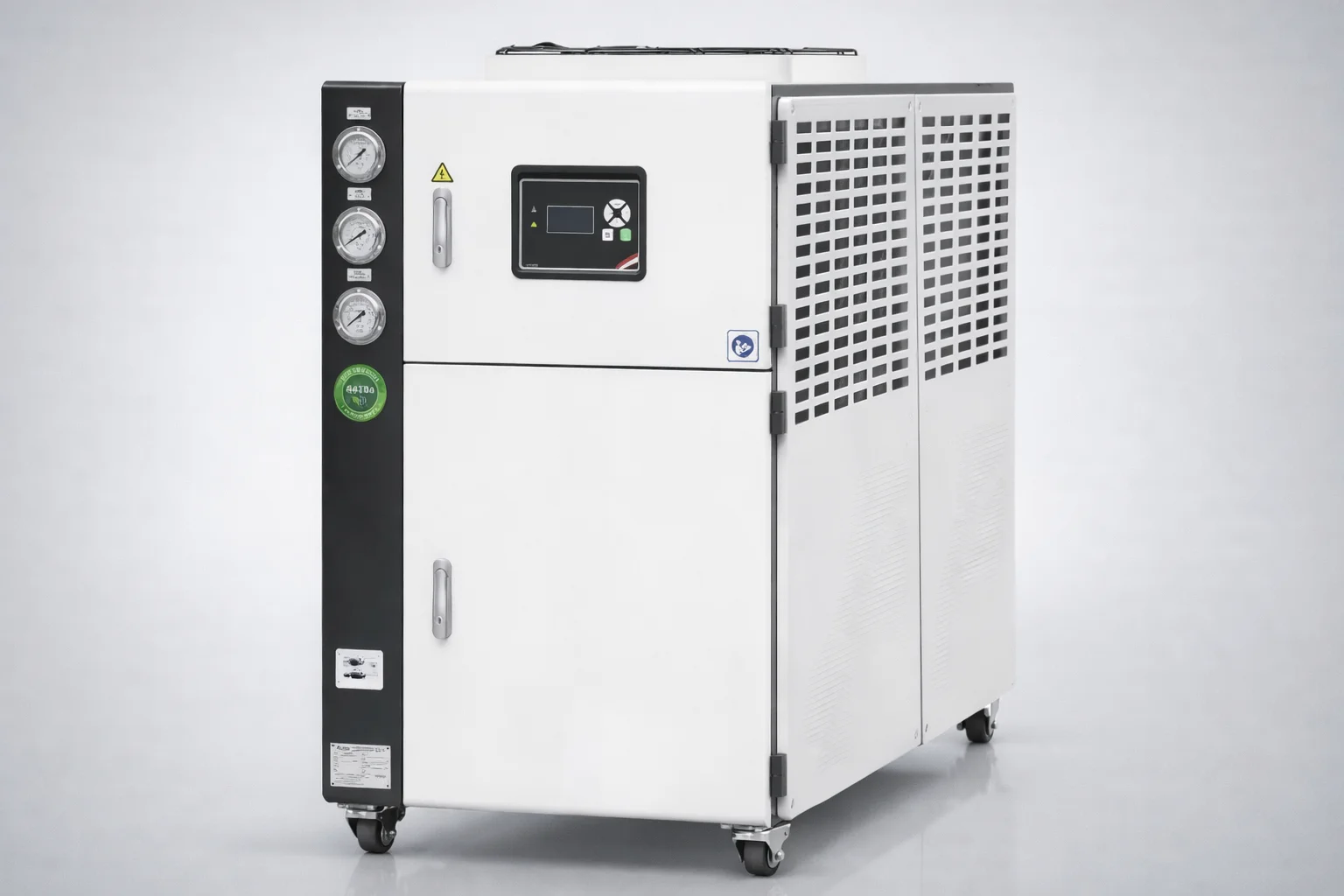
Industrial cooling system for injection molding
Integration with INOVA Controller Data Systems
The INOVA controller on HWAMDA SPV5 machines provides built-in data logging that supports ISO 22000/FSSC 22000 documentation requirements. Configure the INOVA to log critical process parameters for each production batch: barrel temperatures (all 6-8 zones), injection speed and pressure profiles, holding pressure and time, cooling time, mold temperature, cycle time, shot count, and reject count. These records demonstrate process control for the hazard analysis verification requirements. Set up automatic alarms for parameter deviations that could affect food safety: barrel temperature exceeding the validated range (potential for material degradation generating chemical hazards), injection pressure exceeding the validated range (potential for excessive flash creating physical hazards), and cooling system temperature deviation (potential for inadequate cooling leading to part deformation and customer complaints). Export production data daily to the food safety management system database for retention. ISO 22000 requires records to be maintained for the product shelf life plus one year—for food packaging this typically means 3-5 years of record retention. The INOVA's USB data export function facilitates backup to network storage. During audits, the ability to retrieve complete process records for any production batch within minutes demonstrates effective system control and significantly improves auditor confidence.
Frequently Asked Questions
ISO 22000 is the base food safety management system standard. FSSC 22000 builds on ISO 22000 by adding sector-specific prerequisite program requirements (ISO/TS 22002-4 for packaging) and additional requirements for food defense, food fraud, allergen management, and environmental monitoring. The critical difference is GFSI benchmarking: FSSC 22000 is GFSI-recognized, meaning it satisfies the certification requirements of all major multinational food companies. ISO 22000 alone is not GFSI-recognized. The cost difference is modest ($3,000-8,000 additional), so FSSC 22000 is recommended.
Related Guides
Ready to Start Your Project?
Get a free consultation and quotation for your thin-wall packaging production line.
Join 500+ manufacturers in 60+ countries who trust HWAMDA.
Get Free Quote