

BRC Packaging Standard Structure and Requirements
BRC Packaging Materials Issue 6 is structured around seven fundamental sections: senior management commitment and continual improvement, hazard and risk management, product safety and quality management, site standards, product and process control, personnel, and regulatory requirements. The standard applies three categories based on product hygiene risk: Category I (direct food contact, high hygiene), Category II (direct food contact, basic hygiene), and Category III (non-food contact). Thin-wall PP containers for yogurt, sauce cups, and food containers produced on HWAMDA SPV5 machines fall under Category I, requiring the highest hygiene standards. Key requirements include a documented HACCP (Hazard Analysis Critical Control Points) study covering all stages from raw material receipt through finished goods dispatch, a quality management system with documented procedures for all critical processes, environmental monitoring program for the production area, customer complaint management system, and full product traceability within 4 hours. The standard contains approximately 350 clauses, of which 12 are designated as fundamental requirements—failure on any fundamental clause results in non-certification regardless of overall score.
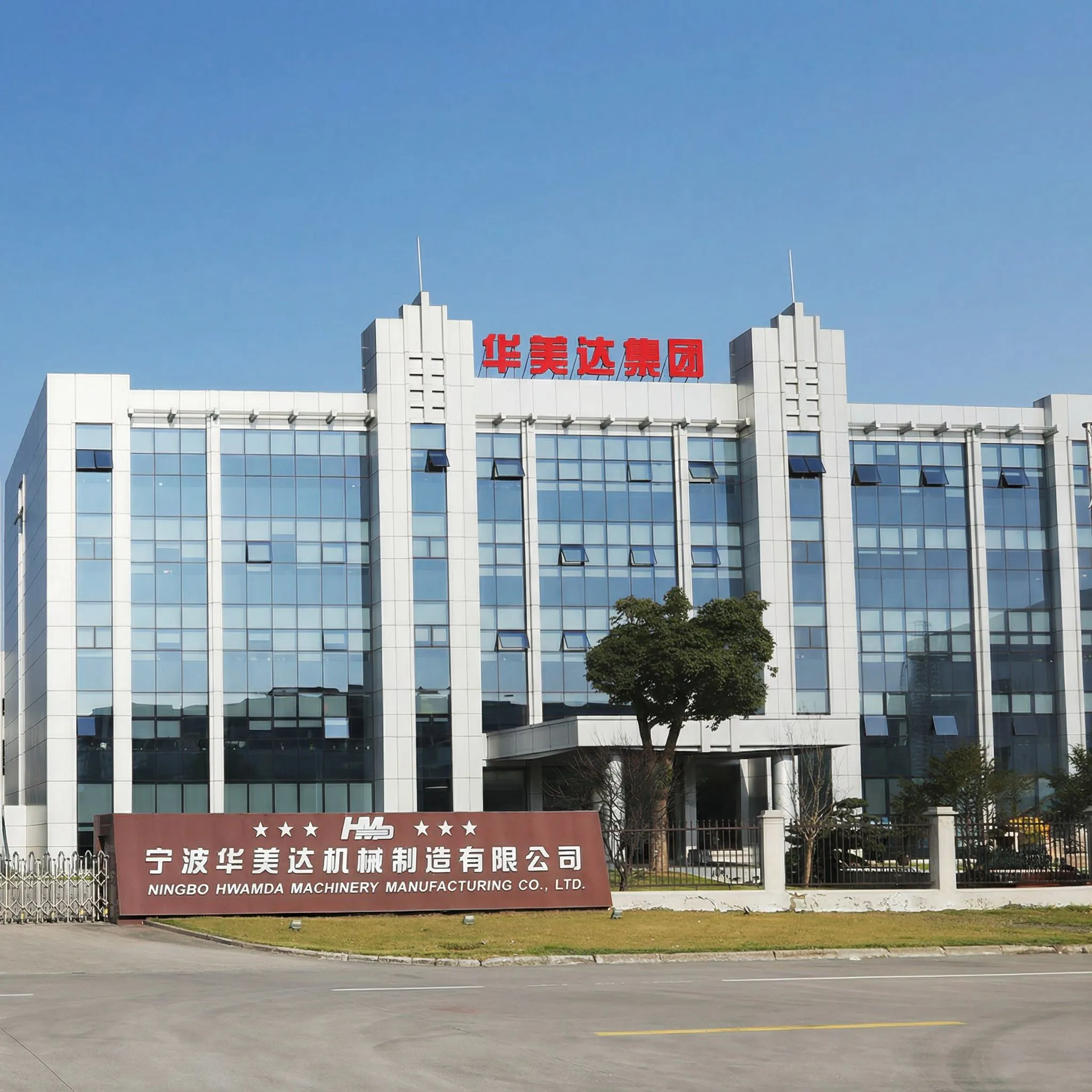
HWAMDA factory — quality manufacturing since 2003
HACCP Study for Thin-Wall Packaging Production
Develop a HACCP study specific to your thin-wall injection molding process on HWAMDA SPV5 machines. Identify potential hazards at each process step: raw material storage (chemical contamination from improper storage, physical contamination from damaged bags), material feeding (cross-contamination from inadequate purge between material changes), injection molding (physical hazards from metal fragments, chemical hazards from degraded material, biological hazards from condensation in cooling systems), and downstream handling (contamination from packaging materials, personnel hygiene). Establish Critical Control Points (CCPs): metal detection on finished containers is typically the primary CCP for thin-wall packaging, with a sensitivity of 1.5mm ferrous and 2.0mm non-ferrous metal. Configure inline metal detectors downstream of the SPV5 machine or at the case packing stage. Establish critical limits, monitoring procedures, corrective actions, and verification procedures for each CCP. Document the HACCP study with a process flow diagram showing all steps from resin receipt to finished goods shipment. Review and update the HACCP study annually or whenever process changes occur, such as adding new HWAMDA SPV5 machines, changing mold configurations, or introducing new PP resin grades.
Site Standards and Hygiene Zones
BRC Category I requires defined hygiene zones with controlled access and environmental conditions. Establish a high-care production zone encompassing the injection molding machines, downstream handling equipment, and finished goods staging area. Zone requirements include: positive air pressure relative to adjacent areas to prevent airborne contamination ingress, air filtration through minimum EU4/G4 class filters, controlled access through personnel hygiene stations (handwash, sanitize, dedicated footwear), and walls and floors with cleanable surfaces (sealed concrete floors, epoxy-coated walls). The HWAMDA SPV5 machine installation area must have adequate drainage for cooling water management, minimum 540 lux lighting at inspection points, and temperature monitoring (maintain 15-25°C for product quality and 25-30°C maximum for food safety). Establish a glass and hard plastic register—all lights in the production area must have shatter-proof covers, and no glass containers are permitted. The INOVA controller's 10-inch LED screen has a toughened glass surface that should be included in the glass register. Implement a cleaning schedule for all production equipment including the SPV5 machine exterior, conveyor belts, stacking equipment, and storage areas. Document cleaning procedures, chemicals used (food-safe only), and verification methods.
Key Specs
- •The HWAMDA SPV5 machine installation area must have adequate drainage for cooling water management, minimum 540 lux lighting at inspection points, and temperature monitoring (maintain 15-25°C for product quality and 25-30°C maximum for food safety).
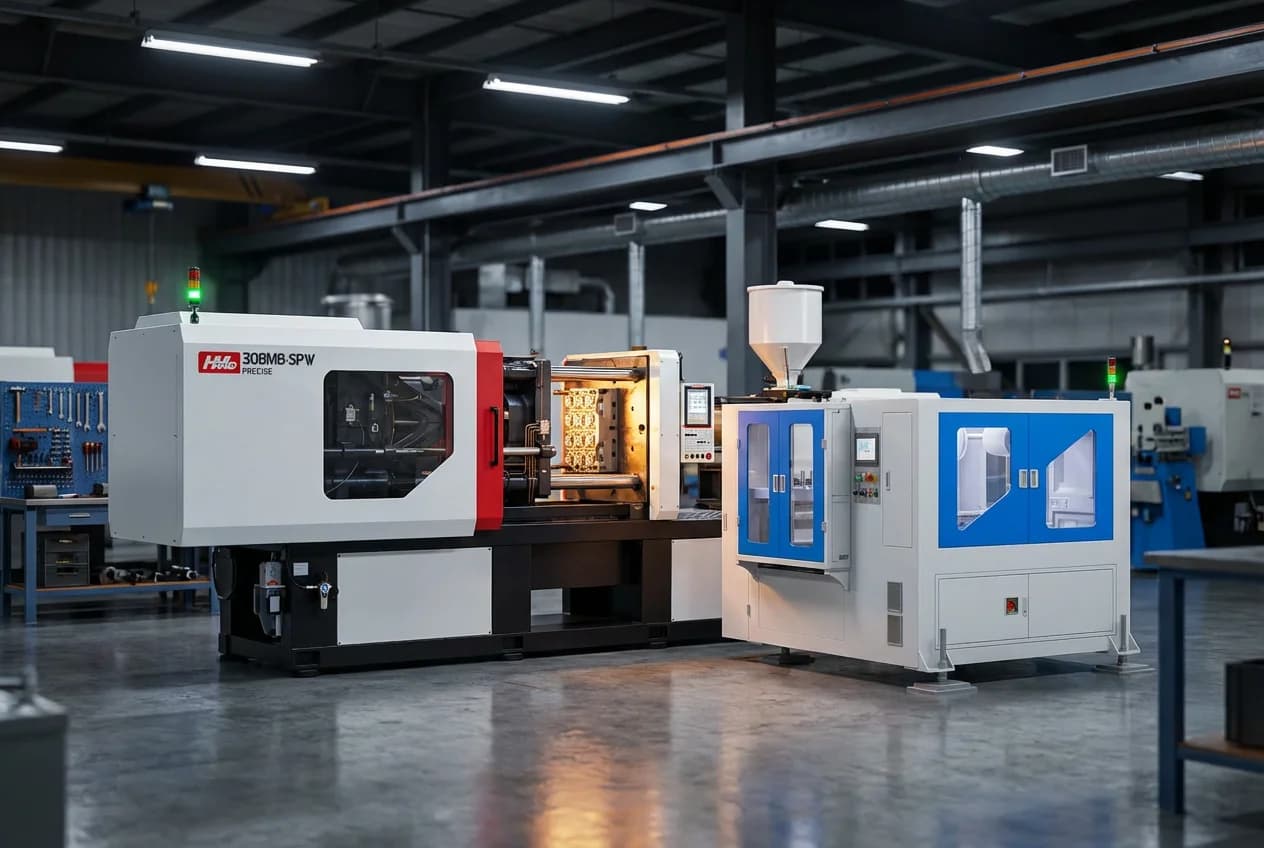
SPV5 machines on the production floor
Need Expert Advice?
Talk to our engineers about your specific production requirements. Free consultation.
Quality Management System Documentation
BRC requires a documented quality management system covering product specifications, process control, inspection, and corrective action. Create product specifications for each thin-wall container type including dimensions (with tolerances of plus or minus 0.1-0.3mm for critical dimensions), weight (with tolerance of plus or minus 2-3%), material composition (PP grade, additive percentages), and compliance declarations (FDA 21 CFR or EU 10/2011 as applicable). Document the injection molding process with standard operating procedures (SOPs) referencing specific HWAMDA SPV5 machine parameters for each product: injection speed (368-422 mm/s), holding pressure (60-120 MPa), cooling time (1.5-4.0 seconds), and mold temperature (15-50°C). Implement statistical process control (SPC) using the INOVA controller's built-in SPC module—monitor part weight, critical dimensions, and visual quality at minimum frequencies of every 30 minutes during production. Maintain calibration records for all measuring equipment including the INOVA controller's pressure and temperature sensors (calibrate annually), production scales (calibrate quarterly), and dimensional gauges (calibrate semi-annually). Document a corrective and preventive action (CAPA) system that tracks root cause analysis and effectiveness verification for all quality non-conformances.
Certification Audit Process and Grading
The BRC certification audit is conducted by an accredited certification body (such as SGS, Bureau Veritas, or Lloyd's Register) over 1-3 days depending on facility size. The audit begins with a document review of your quality management system, HACCP study, and traceability records. The site inspection covers the entire production flow from raw material warehouse through SPV5 machine operation to finished goods dispatch. The auditor observes production in progress, interviews operators about hygiene and quality procedures, and tests your traceability system by requesting a full trace-back within 4 hours. Audit results are graded as AA (best), A, B, C, or D based on the number and severity of non-conformances. Grade AA requires zero critical non-conformances and no more than 5 minor findings with a score above 95%. Grade A requires zero critical and fewer than 10 minor findings. Grades B and C involve major non-conformances requiring resolution within 28 calendar days. Certification is valid for 12 months, with annual recertification audits. The BRC Directory lists all certified sites publicly, allowing customers to verify your certification status. Certification costs range from $5,000-15,000 per audit depending on facility size and certification body.
Key Specs
- •Grade AA requires zero critical non-conformances and no more than 5 minor findings with a score above 95%.
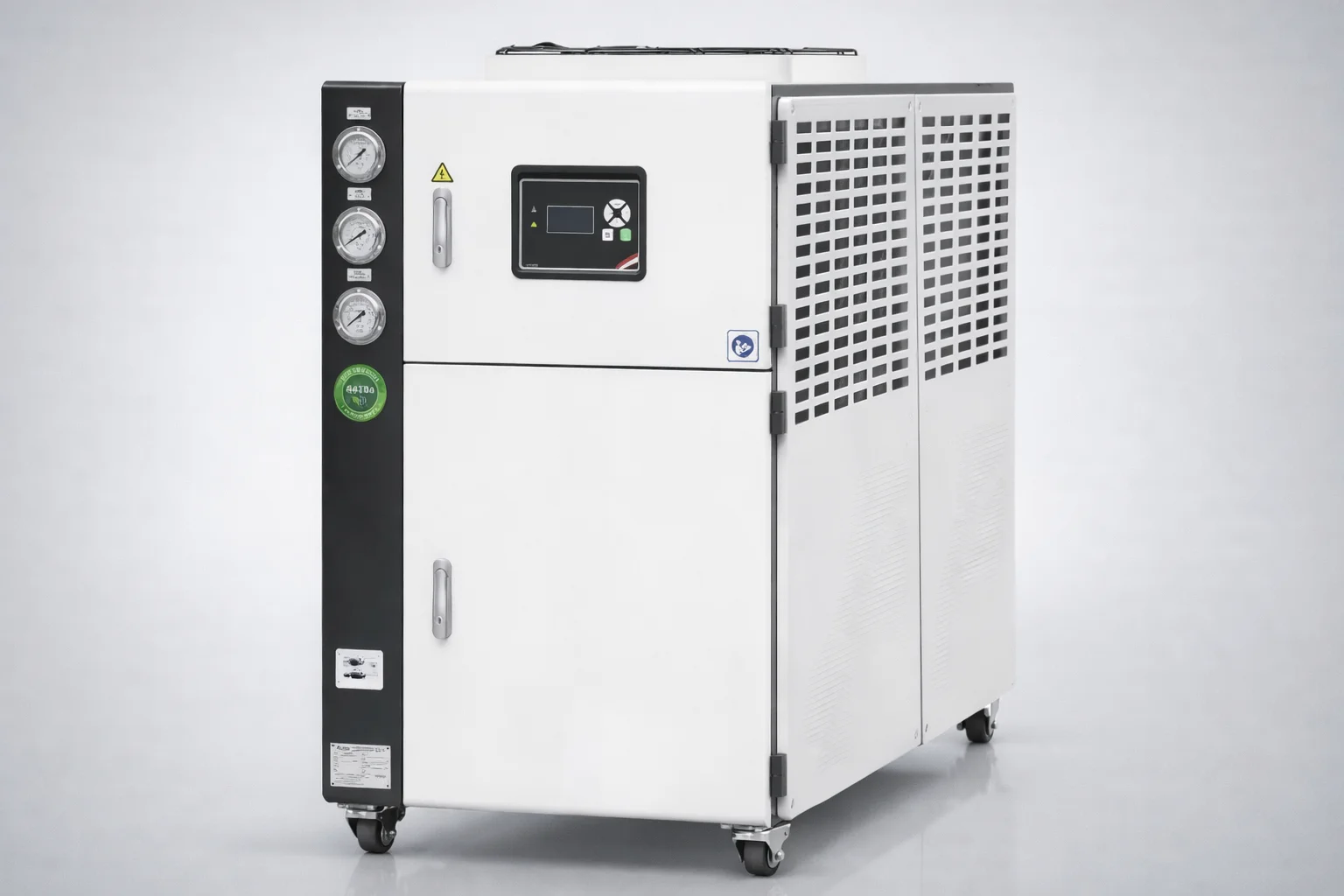
Industrial cooling system for injection molding
Preparing Your SPV5 Facility for BRC Audit
Allow 6-12 months to prepare a thin-wall packaging facility for initial BRC certification. Month 1-2: conduct a gap assessment against BRC Issue 6 requirements—hire a consultant experienced in packaging certification ($3,000-8,000 for gap assessment) or use the BRC self-assessment tool. Month 3-4: develop the quality management system documentation including HACCP study, SOPs for all processes, and the quality manual. Month 5-6: implement physical site improvements including hygiene zoning, air filtration, hand wash stations, and glass register. Month 7-8: install the monitoring systems including metal detection, environmental monitoring, and pest control. Month 9-10: conduct internal audits and management review to verify system effectiveness. Month 11-12: conduct a pre-assessment audit with the certification body to identify remaining gaps before the formal certification audit. Total preparation cost including consultant fees, site modifications, equipment (metal detectors, hand wash stations, air filtration), and certification body fees ranges from $30,000-80,000 for a mid-size facility with 4-8 HWAMDA SPV5 machines. This investment unlocks access to retail brand customers who require BRC certification as a non-negotiable purchasing condition.
Frequently Asked Questions
Plan 6-12 months from the decision to pursue BRC certification to receiving the certificate. The timeline includes 2-3 months for gap assessment and planning, 3-4 months for documentation development and site improvements, 1-2 months for internal auditing and pre-assessment, and 1-2 months for the formal audit and certificate issuance. Facilities with existing ISO 9001 or FSSC 22000 systems can accelerate to 4-6 months since much of the documentation framework already exists. First-time quality system implementations require the full 12-month timeline.
Related Guides
Ready to Start Your Project?
Get a free consultation and quotation for your thin-wall packaging production line.
Join 500+ manufacturers in 60+ countries who trust HWAMDA.
Get Free Quote