

Food Packaging Market Overview in Egypt
Egypt's food packaging market exceeds USD 6 billion annually and is growing at an impressive 8-10% per year, driven by rapid population growth, accelerating urbanization, and the expansion of modern retail formats across the country's major cities and secondary urban centers. The country's 105 million population, the largest in the Arab world and the third-largest in Africa, consumes enormous quantities of packaged dairy products, bakery items, snacks, and processed foods through an expanding network of supermarkets, hypermarkets, and convenience stores replacing traditional market channels. Domestic packaging production capacity has grown significantly as Egyptian manufacturers invest in modern equipment to reduce reliance on imports and serve regional export markets across North Africa and the Middle East. The plastic food packaging segment is growing fastest within the overall market, driven by the ongoing shift from traditional loose-sold food products to pre-packaged formats demanded by modern retail channels, health-conscious urban consumers, and international food safety standards.
Key Specs
- •Egypt's food packaging market exceeds USD 6 billion annually and is growing at an impressive 8-10% per year, driven by rapid population growth, accelerating urbanization, and the expansion of modern retail formats across the country's major cities and secondary urban centers.
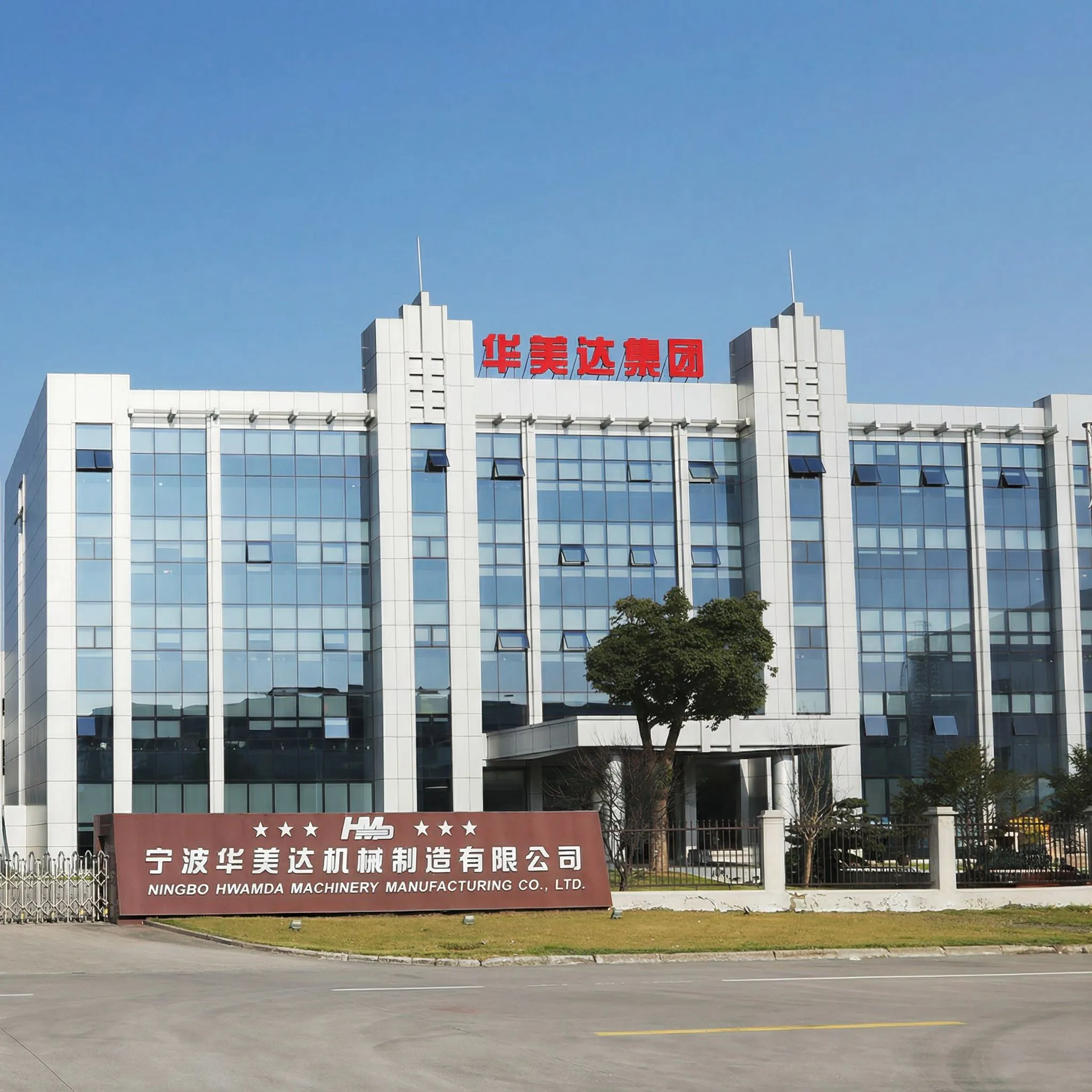
HWAMDA manufacturing facility — 20+ years of expertise
Dairy Sector Growth Trajectory
Egypt's dairy sector is the primary driver of thin-wall packaging equipment demand. The country is one of the world's largest dairy markets, with per-capita consumption growing as incomes rise and modern retail expands. Major dairy producers including Juhayna, Beyti (a joint venture with Almarai), and Domty produce billions of yogurt cups, drinking yogurt containers, and cheese packaging units annually. These companies require high-speed injection molding equipment capable of consistent, food-safe production at competitive per-unit costs. HWAMDA's SPV5-380 to SPV5-400 machines with 8-12 cavity molds produce standard yogurt cups at 3.5-4.5 second cycle times, matching Egyptian dairy production requirements. The price sensitivity of the Egyptian market makes HWAMDA's cost-efficient equipment particularly attractive compared to European alternatives. Food containers for foul (beans), tahini, and other Egyptian staple foods represent additional volume. Disposable tableware and food service containers serve Egypt's large street food and restaurant sector, running on HWAMDA SPV5-270 machines with high-cavity molds.
Import Procedures & Quality Standards
Egypt's import regulations for industrial machinery are administered by the General Organization for Import and Export Control and Egyptian Customs Service. Injection molding machines enter under HS code 8477.10 with import duties typically ranging from 5-10%, though industrial investment incentives may reduce the effective rate for manufacturers establishing operations in designated industrial zones and free economic areas. HWAMDA provides all required export documentation including certificate of origin, commercial invoice, and CE certification for Egyptian customs clearance. Egyptian food contact material regulations are governed by the Egyptian Organization for Standardization and Quality (EOS) under standards aligned with international Codex Alimentarius guidelines for food safety. Packaging producers must ensure materials comply with migration limits and positive list requirements. HWAMDA's equipment processes food-grade PP resins meeting Egyptian standards. The registration process for new industrial equipment involves coordination with the Industrial Development Authority, and HWAMDA supports customers through this process with comprehensive technical documentation.
Key Specs
- •Injection molding machines enter under HS code 8477.10 with import duties typically ranging from 5-10%, though industrial investment incentives may reduce the effective rate for manufacturers establishing operations in designated industrial zones and free economic areas.
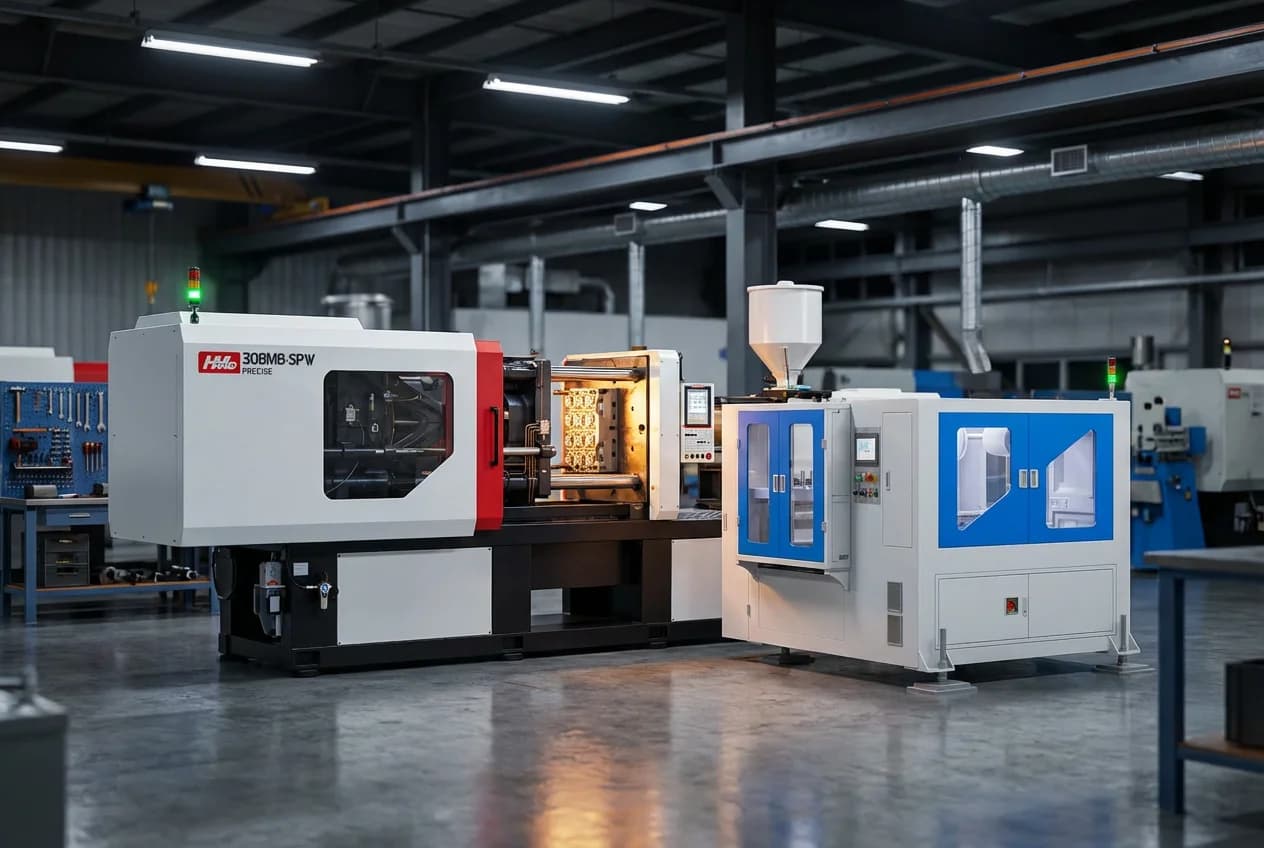
Complete SPV5 production line ready for shipment
Need Expert Advice?
Talk to our engineers about your specific production requirements. Free consultation.
Equipment Already Operating Here
HWAMDA has established a growing presence in Egypt with multiple installations across the greater Cairo industrial area, Alexandria, and the 10th of Ramadan City industrial zone that houses many of Egypt's leading packaging manufacturers. Equipment configurations include SPV5-380 machines with 8-cavity yogurt cup molds for mid-volume dairy packaging producers supplying Egypt's major dairy brands and SPV5-270 machines with 24-32 cavity molds for high-volume disposable tableware and sauce cup production serving Egypt's enormous food service market. Egyptian installations consistently achieve their rated production targets, demonstrating reliable performance in local operating conditions throughout the year. The Egyptian market's strong price sensitivity makes HWAMDA's value proposition particularly compelling. Egyptian packaging manufacturers who previously considered only used or refurbished European machines as their affordable option now increasingly choose new HWAMDA equipment offering superior performance, full manufacturer warranty, modern digital controls, and comparable total acquisition cost. The shift from purchasing used equipment to investing in new HWAMDA machines improves production reliability, reduces unexpected maintenance costs, and provides modern digital process controls.
Budget Planning & Competitive Positioning
HWAMDA's pricing is exceptionally competitive in the Egyptian market, where capital cost sensitivity is high and equipment purchase decisions are heavily influenced by total investment requirements and payback timelines. A complete SPV5-380 yogurt cup production cell at USD 120,000-180,000 is accessible to Egyptian medium-scale manufacturers and packaging entrepreneurs, while equivalent European equipment at USD 400,000-700,000 is beyond the financial reach of most domestic companies and would require payback periods exceeding the investment horizon acceptable to Egyptian banks and investors. HWAMDA's pricing enables a broader range of Egyptian businesses to invest in new, high-performance production equipment rather than relying on aged used or refurbished machines with uncertain reliability. The competitive advantage extends to total production economics and operating cost structure. HWAMDA SPV5 servo-hydraulic machines consume 40-60% less electricity than the conventional hydraulic machines common in Egyptian factories, significantly reducing operating costs in a market where energy prices have risen substantially. The material savings from precise thin-wall molding, reducing PP consumption per container by 35-50%, further improve per-unit production economics against competitive market pricing pressures.
Key Specs
- •A complete SPV5-380 yogurt cup production cell at USD 120,000-180,000 is accessible to Egyptian medium-scale manufacturers and packaging entrepreneurs, while equivalent European equipment at USD 400,000-700,000 is beyond the financial reach of most domestic companies and would require payback periods exceeding the investment horizon acceptable to Egyptian banks and investors.
- •HWAMDA SPV5 servo-hydraulic machines consume 40-60% less electricity than the conventional hydraulic machines common in Egyptian factories, significantly reducing operating costs in a market where energy prices have risen substantially.
- •The material savings from precise thin-wall molding, reducing PP consumption per container by 35-50%, further improve per-unit production economics against competitive market pricing pressures.
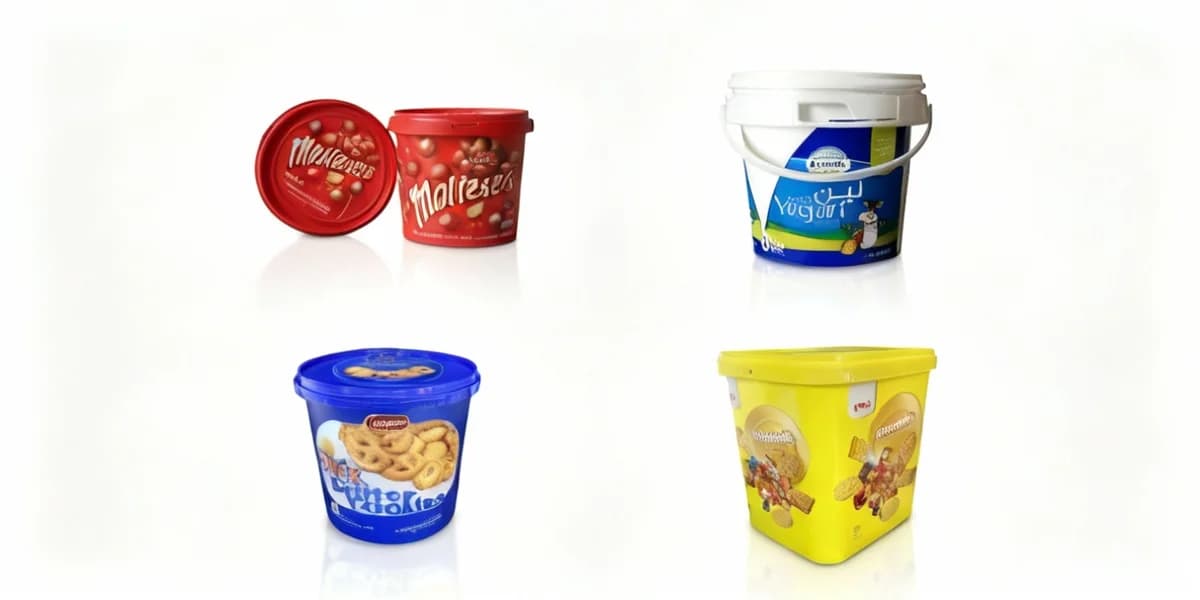
HWAMDA equipment installed at customer facility
Delivery Timeline & Local Support Network
Shipping from Ningbo to Egyptian ports (Alexandria on the Mediterranean coast or Port Said at the northern entrance of the Suez Canal) takes approximately 22-28 days by sea freight. Egypt's strategic Suez Canal location means ships transiting from Asia pass directly through Egyptian territorial waters, ensuring frequent and competitively priced shipping services with multiple international carrier options on weekly schedules. HWAMDA manages all export logistics and provides comprehensive documentation for Egyptian customs clearance procedures. Installation and commissioning by HWAMDA engineers takes 7-14 days on site, including thorough operator training covering machine operation, preventive maintenance schedules, and basic troubleshooting procedures for common production issues. After-sales support for Egyptian installations includes remote diagnostics via internet-connected controllers enabling real-time troubleshooting and spare parts delivery within 7-10 business days. HWAMDA engineers have accumulated practical experience with Egyptian power supply conditions and configure machine electrical protection systems accordingly. The company's growing Middle East and North Africa regional service presence provides coordinated support coverage for Egyptian customers through established communication channels.
Frequently Asked Questions
Egypt is the Arab world's largest country by population at over 105 million, with a food packaging market exceeding USD 6 billion and growing at 8-10% annually driven by urbanization and modern retail expansion. The dairy sector alone requires billions of yogurt cups and food containers per year from major producers including Juhayna, Beyti, and Domty. Egypt's expanding food processing industry, competitive manufacturing labor costs, and growing modern retail penetration create strong and sustained demand for thin-wall molding equipment. HWAMDA's cost-efficient SPV5 machines are well-suited to Egypt's price-sensitive industrial market.
Related Guides
Ready to Start Your Project?
Get a free consultation and quotation for your thin-wall packaging production line.
Join 500+ manufacturers in 60+ countries who trust HWAMDA.
Get Free Quote