

Halal Certification Scope for Packaging Materials
Halal certification for food packaging covers three primary areas: raw material compliance, manufacturing process hygiene, and supply chain segregation. PP resin itself is inherently halal-compliant as it is derived from petroleum-based monomers with no animal-derived components. However, additives, colorants, lubricants, and release agents used in packaging production must be individually verified for halal compliance. Key risk areas include: slip agents (erucamide and oleamide derived from rapeseed oil are halal; stearamide from animal-derived stearic acid may not be), mold release sprays (mineral oil-based are halal; those containing lanolin or animal-derived fatty acids are not), and pigment carriers (verify that masterbatch binders do not contain animal-derived waxes or glycerin). Request halal compliance certificates from all additive and masterbatch suppliers. The certification body will audit your supplier documentation during the certification process. For HWAMDA SPV5 machines, the hydraulic oil (mineral-based ISO VG 46) and grease (lithium-based) used in machine operation do not contact the product and are not typically within the halal audit scope, but maintain records of all lubricants used in the production area.
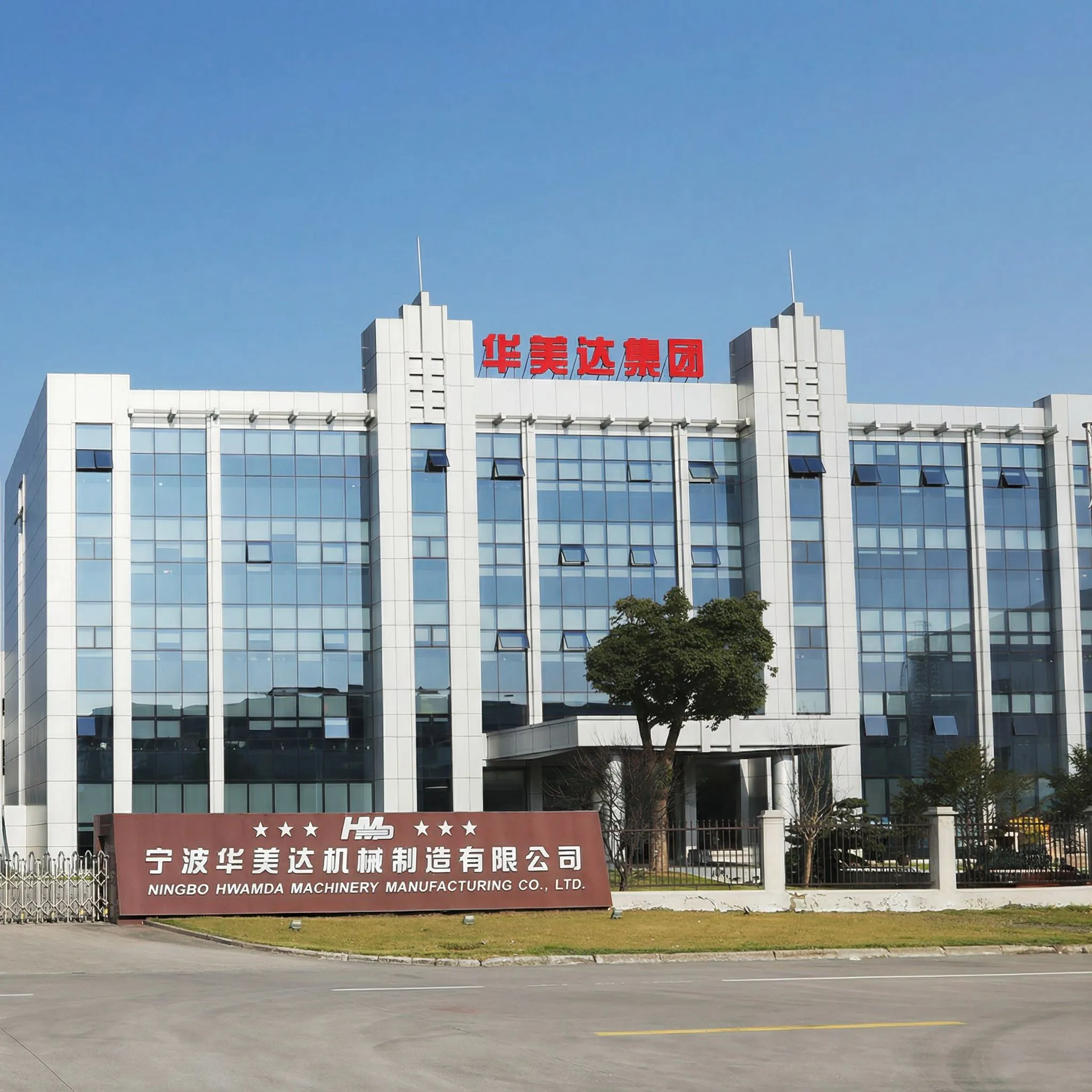
HWAMDA factory — quality manufacturing since 2003
Manufacturing Process Requirements
Halal manufacturing requirements focus on preventing contamination of halal products with non-halal (haram) substances. Dedicated production lines are not mandatory if proper cleaning and changeover procedures are documented and followed. However, if the same SPV5 machine previously processed materials containing non-halal additives, a documented purge procedure must be performed and verified before running halal-certified products. The purge procedure should use at least 3-5 full barrel volumes of halal-compliant PP at production temperature to ensure complete material changeover. Record the purge quantity, duration, and operator verification in the production log. The production area must maintain general cleanliness standards: no food consumption in the production area, separate storage for halal-certified raw materials, and clear identification labels on all halal product containers and storage areas. Pest control measures must use halal-compliant chemicals—verify with your pest control provider that rodenticides and insecticides do not contain haram-derived attractants or carriers. HWAMDA SPV5 machines with their enclosed barrel and servo-hydraulic systems provide inherently clean production environments suitable for halal manufacturing.
Certification Bodies and Process Timeline
Major halal certification bodies recognized internationally include JAKIM (Malaysia), MUI (Indonesia), ESMA (UAE), SFDA (Saudi Arabia), and IFANCA (USA/International). For widest market acceptance, obtain certification from JAKIM or MUI, as these are recognized by the majority of halal-importing countries through mutual recognition agreements. The certification process typically takes 3-6 months and includes: application submission with company and product documentation (2-4 weeks), document review and preliminary assessment by the certification body (4-8 weeks), on-site audit of manufacturing facility, raw material storage, and quality systems (1-2 days on-site), corrective action resolution if non-conformances are identified (2-6 weeks), and certificate issuance valid for 1-2 years depending on the certification body. Certification costs range from $3,000-15,000 depending on the certification body, number of products, and facility size. Annual renewal audits cost $2,000-8,000. Many certification bodies now offer virtual preliminary audits, reducing initial assessment costs. For HWAMDA SPV5 machine operators targeting Middle East markets, ESMA certification (required for UAE export) and SFDA registration (required for Saudi Arabia) may be needed in addition to the primary halal certificate.

SPV5 machines on the production floor
Need Expert Advice?
Talk to our engineers about your specific production requirements. Free consultation.
Documentation and Traceability Systems
Halal certification requires comprehensive documentation traceability from raw material receipt through finished goods shipment. Maintain a halal-compliant supplier list with certificates for all raw materials including PP resin, colorants, additives, packaging materials, and cleaning chemicals. Each material entry must include the supplier name, product name, halal certificate number, and certificate expiry date. The INOVA controller on HWAMDA SPV5 machines provides production logging that captures batch numbers, material lot codes, machine parameters, and production timestamps—configure this system to include halal batch identification codes. Create a halal production standard operating procedure (SOP) covering material receiving inspection, material storage segregation, production line setup and purge verification, in-process quality checks, finished goods labeling, and warehouse segregation. Train all production and warehouse personnel on halal handling requirements with documented training records. The certification body auditor will interview operators during the audit to verify they understand halal procedures. Retain all records for a minimum of 3 years. Implement an internal halal audit program with quarterly self-assessments to maintain compliance between external audits.
Market Access and Commercial Benefits
Halal certification opens access to $2.3 trillion in global halal market spending, of which food and beverage packaging represents an estimated $150-200 billion. Key markets requiring halal-certified packaging include Indonesia (280 million consumers), Malaysia (33 million), UAE and Saudi Arabia (combined 45 million), Turkey (85 million), Egypt (105 million), and Pakistan (230 million). These markets are also among the fastest-growing for thin-wall PP packaging, with demand increasing 8-15% annually driven by urbanization and modern retail expansion. Major dairy brands operating in these markets—Al Marai (Saudi Arabia), Juhayna (Egypt), Indofood (Indonesia), and Dutch Lady (Malaysia)—require halal-certified packaging from all suppliers. Without certification, your thin-wall packaging produced on HWAMDA SPV5 machines cannot be sold to these brands regardless of quality or price. Halal certification also provides marketing advantages in non-Muslim markets where halal is perceived as a quality and hygiene indicator. Display the halal certification logo on product packaging and marketing materials. HWAMDA supports customers pursuing halal certification by providing machine documentation, food-grade material certificates, and technical specifications required for the certification application.
Key Specs
- •These markets are also among the fastest-growing for thin-wall PP packaging, with demand increasing 8-15% annually driven by urbanization and modern retail expansion.

Industrial cooling system for injection molding
Common Non-Conformances and How to Avoid Them
Based on halal audit experience across packaging manufacturers, the most common non-conformances include: insufficient documentation for additive halal status (30% of all findings)—resolve by maintaining current halal certificates for every additive and masterbatch before the audit. Cross-contamination risk from shared equipment without documented changeover procedures (25% of findings)—resolve by implementing and documenting a material purge SOP with operator sign-off. Inadequate staff training on halal requirements (20% of findings)—resolve by conducting annual halal awareness training with written assessments and maintaining training records. Non-halal compliant pest control chemicals (10% of findings)—obtain halal certificates from pest control chemical suppliers or switch to compliant products. Missing or expired supplier halal certificates (15% of findings)—implement a certificate tracking system with 90-day advance renewal reminders. Address these five areas proactively and your HWAMDA SPV5 facility will pass the halal audit with minimal corrective actions. Allow 4-6 weeks before the scheduled audit date to complete documentation preparation and staff training.
Frequently Asked Questions
Yes, PP resin is derived from petroleum-based propylene monomer and does not contain animal-derived components. Standard PP homopolymer and copolymer grades from major suppliers (SABIC, Borealis, LyondellBasell) are halal-compliant. However, the halal audit covers the entire production process including additives, colorants, lubricants, and processing aids. Request halal compliance declarations from all additive and masterbatch suppliers. The certification body will verify these documents during the audit.
Related Guides
Ready to Start Your Project?
Get a free consultation and quotation for your thin-wall packaging production line.
Join 500+ manufacturers in 60+ countries who trust HWAMDA.
Get Free Quote