

Working Principle and Gate Quality
Valve gate hot runners use a pneumatic or hydraulic actuator to drive a steel pin that physically opens and closes the gate orifice. The pin creates a clean, flush gate vestige on the part surface—typically invisible or barely perceptible as a small witness mark less than 0.1mm in height. This produces cosmetically superior parts ideal for IML containers where the gate area is visible to consumers. Valve gates enable precise control of fill timing for sequential injection in multi-gate parts. Open gate (thermal gate) systems have no moving parts at the gate point. The gate relies on a small cold slug that freezes between cycles to seal the nozzle. When injection begins, the frozen plug is pushed into the part. This creates a visible gate vestige—a small nub or dome typically 0.5-2.0mm in height depending on gate diameter. For thin-wall food containers with wall thickness of 0.4-0.6mm, the gate vestige from an open gate system is proportionally more noticeable.
Key Specs
- •The pin creates a clean, flush gate vestige on the part surface—typically invisible or barely perceptible as a small witness mark less than 0.1mm in height.
- •This creates a visible gate vestige—a small nub or dome typically 0.5-2.0mm in height depending on gate diameter.
- •For thin-wall food containers with wall thickness of 0.4-0.6mm, the gate vestige from an open gate system is proportionally more noticeable.
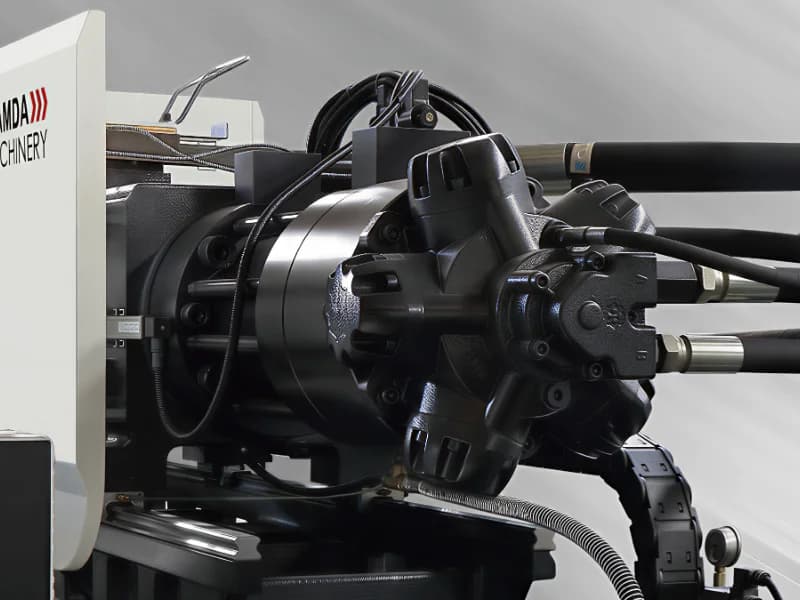
High-speed injection unit with linear guides
Cycle Time Impact
Valve gate systems can reduce cycle time by 5-15% compared to open gates in thin-wall applications. The mechanical gate closure allows the cooling phase to begin immediately after packing, without waiting for the gate to freeze naturally. This is particularly significant in thin-wall molding where every 0.1 second matters across millions of cycles. For yogurt cup production, valve gates enable cycle times of 3.5-4.0 seconds compared to 4.0-4.5 seconds with thermal gates. Open gate cycle time depends on the gate diameter and material type. Smaller gate diameters freeze faster but restrict flow, potentially causing short shots in thin-wall parts. Larger gates improve filling but extend cooling time at the gate zone. This balance often forces compromises that add 0.3-0.8 seconds per cycle. Over annual production volumes of 10-30 million cups, this cycle time difference translates to 5-15% more output from the same machine. HWAMDA recommends valve gate hot runners for all production molds targeting cycle times below 5 seconds.
Cost Difference and ROI
Valve gate hot runner systems cost 30-50% more than equivalent open gate systems. For an 8-cavity yogurt cup mold, a valve gate hot runner system adds approximately $8,000-15,000 to the mold price compared to an open gate configuration. A complete 8-cavity valve gate mold typically costs $45,000-65,000, while an equivalent open gate version runs $35,000-50,000. The ROI calculation favors valve gates in high-volume production. With a 10% cycle time improvement producing 500 additional cups per hour on an 8-cavity mold, valve gates generate approximately $15,000-25,000 in additional annual revenue. This means the valve gate premium pays for itself within 6-12 months. Additionally, valve gates produce fewer rejects from gate vestige issues, reducing scrap rates by 1-3%. For production volumes above 5 million units annually, valve gates are the economically superior choice. The combination of higher output, lower scrap, and premium-quality gate finish creates a clear financial case for valve gates in any production scenario exceeding 5 million units per year.
Key Specs
- •Valve gate hot runner systems cost 30-50% more than equivalent open gate systems.
- •With a 10% cycle time improvement producing 500 additional cups per hour on an 8-cavity mold, valve gates generate approximately $15,000-25,000 in additional annual revenue.
- •Additionally, valve gates produce fewer rejects from gate vestige issues, reducing scrap rates by 1-3%.
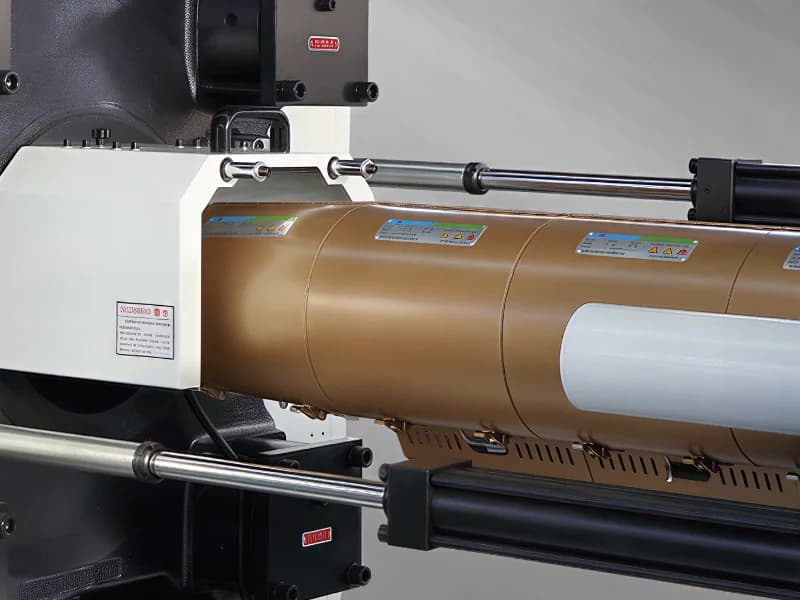
Servo-hydraulic drive system with energy recovery
Need Expert Advice?
Talk to our engineers about your specific production requirements. Free consultation.
Maintenance Requirements
Valve gate systems have more components that require maintenance. The actuator pins, bushings, seals, and pneumatic/hydraulic cylinders are wear items that need periodic inspection and replacement. Typical valve pin replacement intervals are every 500,000-1,000,000 cycles depending on material abrasiveness. A complete valve gate service kit costs $200-500 per cavity. Annual maintenance costs for an 8-cavity valve gate system run $2,000-4,000. Open gate systems are mechanically simpler with fewer parts to fail. Maintenance is primarily limited to nozzle tip replacement due to wear, gate insert cleaning, and heater band replacement. Annual maintenance costs for an 8-cavity open gate system typically run $800-1,500. However, open gates can suffer from stringing, drooling, and gate freeze-off issues that cause unplanned downtime. When these issues occur during a production run, they can result in hours of lost production that exceeds the cost difference in planned maintenance. For high-volume packaging operations running 24/7, scheduling preventive maintenance during planned production breaks minimizes the impact of valve gate maintenance requirements on output.
Application Suitability
Valve gates are strongly recommended for IML containers where the gate area is visible, premium yogurt cups and dairy containers sold by brand-conscious companies, any product with wall thickness below 0.5mm requiring maximum flow, multi-cavity molds with 8 or more cavities where consistent fill balance is critical, and production targeting cycle times below 5 seconds. HWAMDA specifies valve gate hot runners for all IML margarine container molds running on SPV5 380T machines with 4-8 cavities. Open gates remain suitable for cost-sensitive applications including disposable tableware, industrial containers, non-visible gate locations (bottom gating), lower cavity counts (2-4 cavities) where fill balance is easier to manage, and products where a visible gate vestige is acceptable. For sauce cups running 16-32 cavities on HWAMDA SPV5 270-280T machines at 3-4 second cycles, open gates can work effectively with proper gate diameter optimization. Having a mix of valve gate molds for premium products and open gate molds for commodity products provides an optimal balance. HWAMDA helps determine the right configuration during DFM review.
Key Specs
- •Valve gates are strongly recommended for IML containers where the gate area is visible, premium yogurt cups and dairy containers sold by brand-conscious companies, any product with wall thickness below 0.5mm requiring maximum flow, multi-cavity molds with 8 or more cavities where consistent fill balance is critical, and production targeting cycle times below 5 seconds.
- •HWAMDA specifies valve gate hot runners for all IML margarine container molds running on SPV5 380T machines with 4-8 cavities.
- •Open gates remain suitable for cost-sensitive applications including disposable tableware, industrial containers, non-visible gate locations (bottom gating), lower cavity counts (2-4 cavities) where fill balance is easier to manage, and products where a visible gate vestige is acceptable.
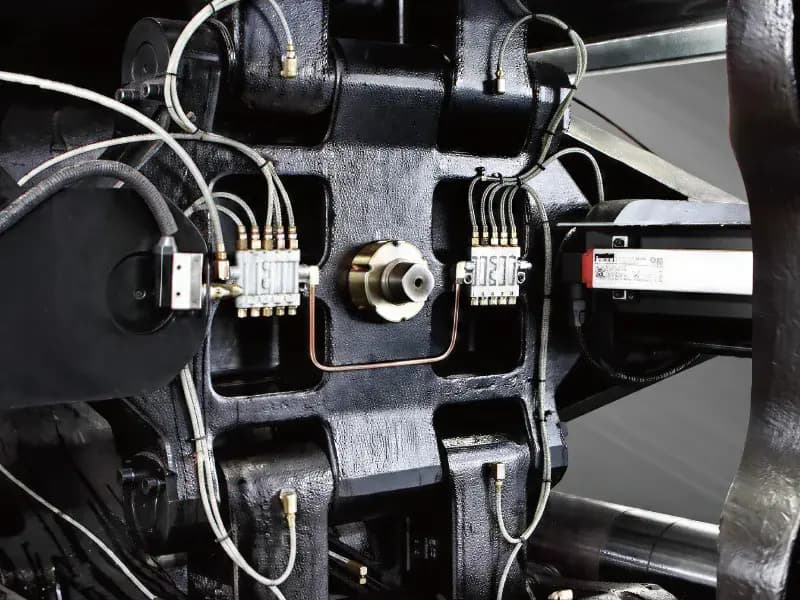
Toggle clamping unit — high rigidity for thin-wall molding
Expert Recommendation
For new thin-wall packaging molds, HWAMDA recommends valve gate hot runner systems as the default specification for all production molds above 4 cavities. The initial cost premium is recovered within the first year through higher output and lower scrap rates. Leading hot runner suppliers for thin-wall applications include Yudo, Husky, Mold-Masters, and Synventive, each offering systems optimized for high-speed thin-wall packaging. The exception is prototype and trial molds where initial cost must be minimized, and short-run production molds for niche products below 2 million units annually. For these applications, open gate systems provide adequate performance at lower initial investment. When ordering molds from HWAMDA, specify your production volume targets and quality requirements so our engineering team can recommend the optimal gate system. All HWAMDA molds include hot runner system selection as part of the DFM (Design for Manufacturability) review process. The long-term cost of ownership analysis, including maintenance, output, and scrap rates, should drive the gate type decision rather than initial mold price comparison alone.
Frequently Asked Questions
A valve gate hot runner system typically adds 30-50% to the hot runner cost, translating to approximately $1,000-2,000 per cavity. For an 8-cavity thin-wall packaging mold, this means an additional $8,000-15,000 compared to an equivalent open gate system. The total mold price difference between valve gate and open gate configurations is typically $10,000-15,000 for an 8-cavity mold. This premium is recovered within 6-12 months through increased output and reduced scrap in high-volume production. HWAMDA provides detailed cost breakdowns comparing valve gate and open gate options for each specific mold quotation, enabling informed decisions.
Related Guides
Ready to Start Your Project?
Get a free consultation and quotation for your thin-wall packaging production line.
Join 500+ manufacturers in 60+ countries who trust HWAMDA.
Get Free Quote