

Hydraulic Oil Specifications for SPV5 Machines
HWAMDA SPV5 machines require ISO VG 46 anti-wear hydraulic oil conforming to DIN 51524 Part 2 (HLP type) as the standard specification. The oil must contain zinc-based anti-wear additives (ZDDP) at a minimum concentration of 600 ppm zinc to protect the high-pressure servo pump components operating at 17.5 MPa. Recommended viscosity index should exceed 95 to maintain consistent performance across the operating temperature range of 15-55°C. At startup temperature of 15°C, viscosity should not exceed 500 cSt to prevent cavitation in the servo pumps. At maximum operating temperature of 55°C, viscosity must remain above 20 cSt to maintain adequate lubrication film thickness. Approved oil brands include Shell Tellus S2 VX 46, Mobil DTE 25, BP Energol HLP-HM 46, and Sinopec L-HM 46 for domestic installations. The oil tank capacity varies by model: HMD 270M8-SPV uses 380 liters, HMD 380M8-SPV uses 480 liters, HMD 470M8-SPV uses 520 liters, and HMD 600M8-SPV uses 650 liters. Always fill to the upper sight glass mark with the machine at ambient temperature and all cylinders retracted.
Key Specs
- •The oil must contain zinc-based anti-wear additives (ZDDP) at a minimum concentration of 600 ppm zinc to protect the high-pressure servo pump components operating at 17.5 MPa.
- •Recommended viscosity index should exceed 95 to maintain consistent performance across the operating temperature range of 15-55°C.
- •At startup temperature of 15°C, viscosity should not exceed 500 cSt to prevent cavitation in the servo pumps.
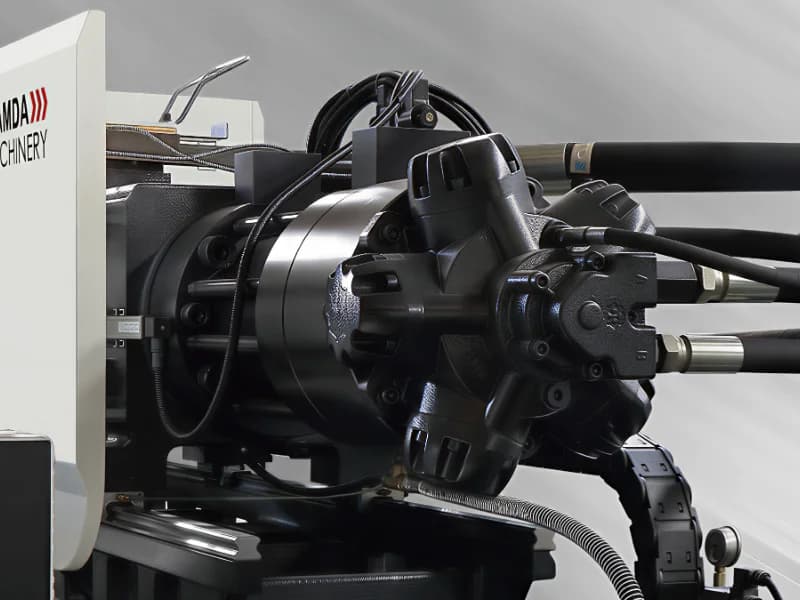
High-speed injection unit with linear guides
Oil Analysis and Testing Schedule
Implement a quarterly oil analysis program to track contamination levels and oil degradation. Take samples from the return line sampling port with the machine at operating temperature of 40-50°C after a minimum 30 minutes of operation. Key test parameters include particle count per ISO 4406 (target cleanliness class 18/16/13 or better), water content via Karl Fischer titration (maximum 0.05% or 500 ppm), total acid number (TAN) to track oxidation (replace oil when TAN exceeds 2.0 mg KOH/g above the new oil baseline), viscosity at 40°C (replace when viscosity deviates more than 10% from the original grade), and copper and iron content via spectrometric analysis to detect pump and valve wear. On SPV5 machines running 6,000-8,000 hours annually at thin-wall production speeds, oil oxidation accelerates due to the high shear rates in servo valves and the thermal cycling between injection phases. Install an inline particle counter on the return line for continuous monitoring if your production volume justifies the $3,000-5,000 investment. The INOVA controller can log oil temperature trends that correlate with oil degradation when analyzed alongside laboratory results.
Oil Change Intervals and Flushing Procedures
Standard oil change interval for SPV5 machines running thin-wall production is every 4,000-6,000 operating hours or annually, whichever comes first. Machines running 24/7 at aggressive cycle times below 4 seconds may require changes at 3,000-4,000 hours. Never mix different oil brands or base stocks, as additive incompatibility can cause varnish deposits on servo valve spools. The complete oil change procedure requires 6-8 hours. First, run the machine at operating temperature for 30 minutes, then drain the tank completely through the drain valve—gravity draining alone leaves 15-20% of the old oil in cylinders and manifolds. Flush the system by filling with the new oil to the minimum level, running the pump at low pressure for 20 minutes while cycling all machine movements through their full strokes. Drain the flush oil and replace the return line filter (10 micron), pressure line filter (3 micron), and suction strainer (100 mesh). Fill with fresh oil to the upper sight glass mark. Run the machine through 50 complete cycles at reduced speed before returning to production. Dispose of waste oil according to local environmental regulations—typically 400-650 liters per change.
Key Specs
- •The complete oil change procedure requires 6-8 hours.
- •First, run the machine at operating temperature for 30 minutes, then drain the tank completely through the drain valve—gravity draining alone leaves 15-20% of the old oil in cylinders and manifolds.
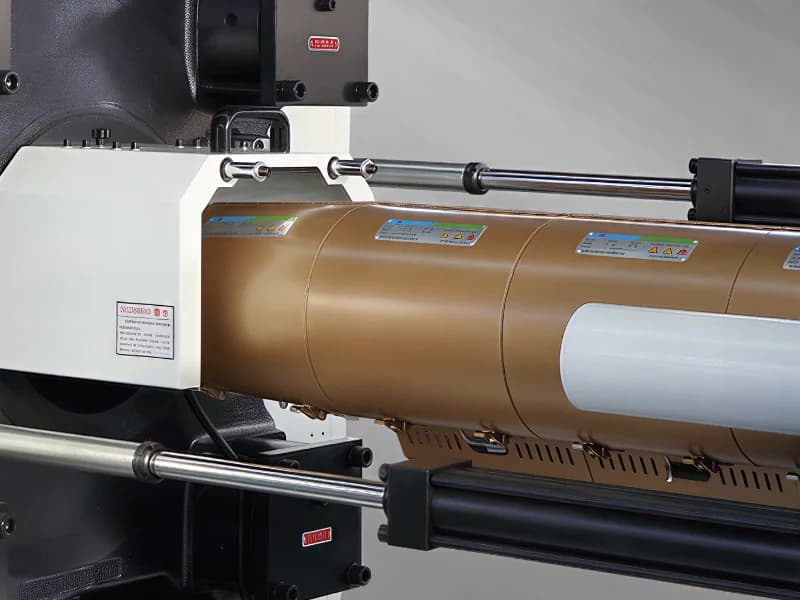
Servo-hydraulic drive system with energy recovery
Need Expert Advice?
Talk to our engineers about your specific production requirements. Free consultation.
Filtration System Maintenance
The SPV5 hydraulic filtration system includes three stages: suction strainer (100 mesh, 150 micron), pressure line filter (3 micron absolute, beta ratio >200), and return line filter (10 micron absolute, beta ratio >200). Replace the pressure and return line filter elements every 1,500-2,000 operating hours or when the filter differential pressure indicator trips—the visual pop-up indicator on the filter housing or the electrical switch connected to the INOVA controller alarm system. Suction strainers require cleaning every 3,000 hours and replacement annually. For thin-wall production environments where cycle times are 3.5-6 seconds and hydraulic flow rates are high, consider upgrading to 6 micron return line filters for improved servo valve protection. Install breather filters on the oil tank vent to prevent airborne contamination from entering the system—standard desiccant breathers rated at 3 micron are recommended for tropical and humid environments. Kidney loop filtration units circulating at 10-15% of tank volume per minute provide continuous offline polishing and can extend oil change intervals by 30-50%. A typical kidney loop unit for a 500-liter SPV5 system costs $1,500-2,500 installed.
Temperature Management and Cooling
Maintain hydraulic oil temperature between 40-50°C during production for optimal viscosity and component life. The INOVA controller displays real-time oil temperature and triggers an alarm at 55°C. At temperatures above 60°C, oil oxidation rate doubles for every 10°C increase, and seal materials begin to degrade. SPV5 machines use water-cooled plate heat exchangers to remove heat generated by the servo-hydraulic system. Cooling water supply temperature should be 20-30°C with a flow rate of 40-80 liters per minute depending on machine model and ambient conditions. Clean the heat exchanger plates every 6 months by flushing with a mild descaling solution—scale buildup reduces heat transfer efficiency by 20-40%. In tropical environments where ambient temperatures exceed 35°C, additional cooling capacity may be needed. HWAMDA offers auxiliary oil coolers rated at 15-30kW for SPV5 machines operating in high-temperature environments. During winter startup in cold climates, install oil pre-heaters to warm the oil to at least 15°C before starting the servo pumps. Running the pump with oil viscosity above 500 cSt causes internal damage from cavitation that is not covered under warranty.
Key Specs
- •Maintain hydraulic oil temperature between 40-50°C during production for optimal viscosity and component life.
- •The INOVA controller displays real-time oil temperature and triggers an alarm at 55°C.
- •At temperatures above 60°C, oil oxidation rate doubles for every 10°C increase, and seal materials begin to degrade.
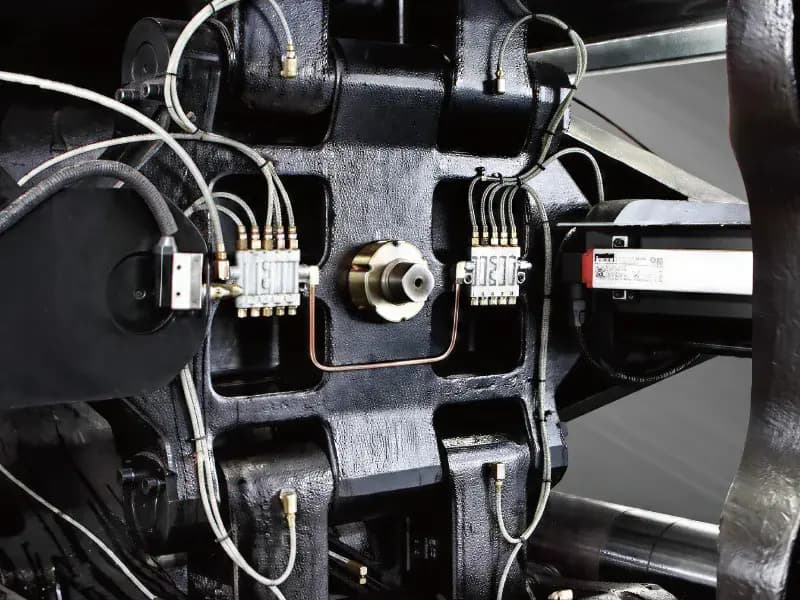
Toggle clamping unit — high rigidity for thin-wall molding
Contamination Prevention and Best Practices
Preventing contamination is far more effective than removing it after entry. Store new oil in sealed containers in a clean, dry area away from direct sunlight. Filter all new oil through a 3-micron portable filter unit before adding it to the machine tank—new oil from the drum typically has a cleanliness level of ISO 20/18/15, which is too dirty for servo-hydraulic systems requiring ISO 18/16/13 or better. Use dedicated, clean containers and funnels for oil top-ups. Seal all open hydraulic connections with clean caps during maintenance work—even 30 minutes of exposure in a factory environment introduces measurable contamination. When replacing hydraulic components, clean the mounting surfaces and flush the connecting hoses before installation. Train all operators to report oil leaks immediately rather than simply topping up the tank—even small leaks of 0.5 liters per day indicate seal failure that worsens rapidly under the 17.5 MPa system pressure. Maintain a log of oil consumption; a healthy SPV5 system should consume less than 5 liters per month from normal seal weepage. Consumption exceeding 10 liters per month signals the need for seal inspection. Schedule oil changes to align with annual overhauls to minimize downtime.
Frequently Asked Questions
Yes, synthetic hydraulic oils (PAO-based ISO VG 46) can be used and offer advantages in extreme temperature environments. Synthetic oils maintain better viscosity stability from minus 20°C to 80°C and resist oxidation 3-5 times longer than mineral oils, potentially extending change intervals to 8,000-10,000 hours. However, synthetic oils cost 3-4 times more per liter. Ensure the synthetic oil is compatible with all seal materials in the SPV5 hydraulic system—NBR and FKM seals are compatible with most PAO synthetics. Consult HWAMDA engineering before switching.
Related Guides
Ready to Start Your Project?
Get a free consultation and quotation for your thin-wall packaging production line.
Join 500+ manufacturers in 60+ countries who trust HWAMDA.
Get Free Quote