

Food Container Market Demand in Australia
Australia's food packaging market exceeds AUD 10 billion annually, with thin-wall PP containers growing as Coles, Woolworths, and Aldi drive demand for recyclable mono-material packaging under their sustainability commitments. The REDcycle program's collapse in 2022 heightened focus on genuinely recyclable PP containers that fit into existing kerbside recycling streams. Australian foodservice demand from McDonald's, local QSR chains, and independent restaurants requires billions of containers annually. The country's strict food safety framework under FSANZ standards demands consistent wall thickness, clean surfaces, and full traceability. Australia's distance from manufacturing hubs creates opportunity for domestic production to replace imported finished containers. Mid-size Australian converters in Melbourne, Sydney, and Brisbane are investing in thin-wall injection molding to capture this growing market with locally manufactured products. The growing demand across both traditional retail and modern foodservice channels creates a sustained need for high-volume, cost-efficient food containers production equipment. Local manufacturers who invest in high-speed thin-wall injection molding gain competitive advantage over both imported finished products and local competitors using slower conventional equipment.
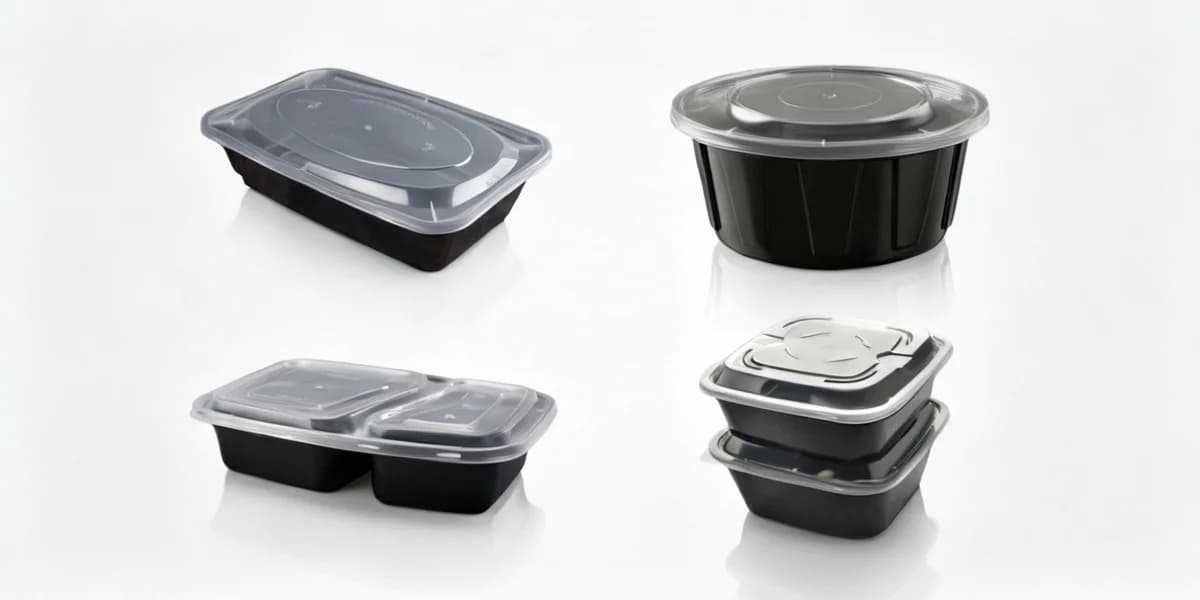
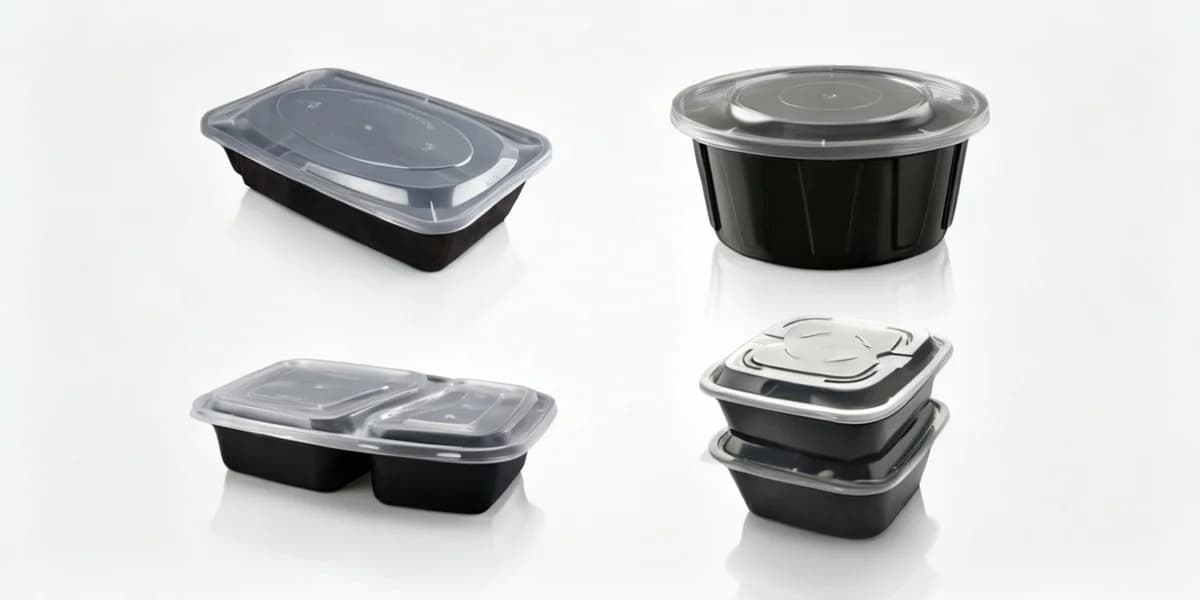
Thin-wall food containers — 500ml to 1500ml range
Recommended Machine: HMD 480M8-SPV (480-530T)
The HMD 480M8-SPV for Australia is supplied with 415V/50Hz three-phase power configuration standard for Australian industrial installations. The 4800-5300 kN clamping force system delivers injection speeds of 500 mm/s for consistent thin-wall filling. Energy consumption of 5.0-6.5 kWh/kg is competitive at Australian industrial electricity rates of AUD 0.15-0.25/kWh. The machine includes RCM (Regulatory Compliance Mark) compliance documentation for Australian electrical safety standards under AS/NZS 3820. The SPV5 control system provides comprehensive SPC and traceability features supporting HACCP and FSANZ food safety documentation. Platen size of 1060 x 1060 mm accommodates 8-cavity molds for Australian-standard container formats. All safety systems meet AS 4024 machine safety requirements with guarding, interlocks, and e-stops configured for Australian workplace safety compliance. The machine's robust construction includes a hardened steel platen surface with T-slot pattern for secure mold clamping, precision-ground tie bars for uniform force distribution, and a centralized automatic lubrication system that extends component life while reducing maintenance labor requirements. The servo pump controller provides real-time hydraulic pressure feedback for closed-loop shot control accuracy.
Mold Configuration: 8-Cavity for Australia
HWAMDA's 8-cavity food container mold for Australia produces formats aligned with Australian retail and foodservice standards, including round deli containers (250-750 mL), rectangular meal trays (500-1000 mL), and tamper-evident containers for supermarket fresh food. The valve-gate hot runner system delivers consistent filling across all cavities with gate marks meeting Australian retailer visual quality standards. H13 steel inserts hardened to 50-52 HRC provide the durability for Australian production volumes. Cooling circuits are designed for Australian ambient conditions using chilled water at 14-20 degrees Celsius. The mold supports both clear (natural PP) and colored container production for different product lines. HWAMDA provides container design consultation helping Australian customers optimize wall thickness, stack strength, and lid seal performance for compatibility with Multivac and Mondini filling and sealing equipment common in Australian food processing plants. HWAMDA's mold engineering team provides comprehensive DFM (Design for Manufacturability) analysis before mold production begins, optimizing gate location, cooling channel layout, and ejection strategy for the specific food containers geometry. All molds undergo full dimensional inspection and trial production at HWAMDA's factory before shipment.
Key Specs
- •H13 steel inserts hardened to 50-52 HRC provide the durability for Australian production volumes.
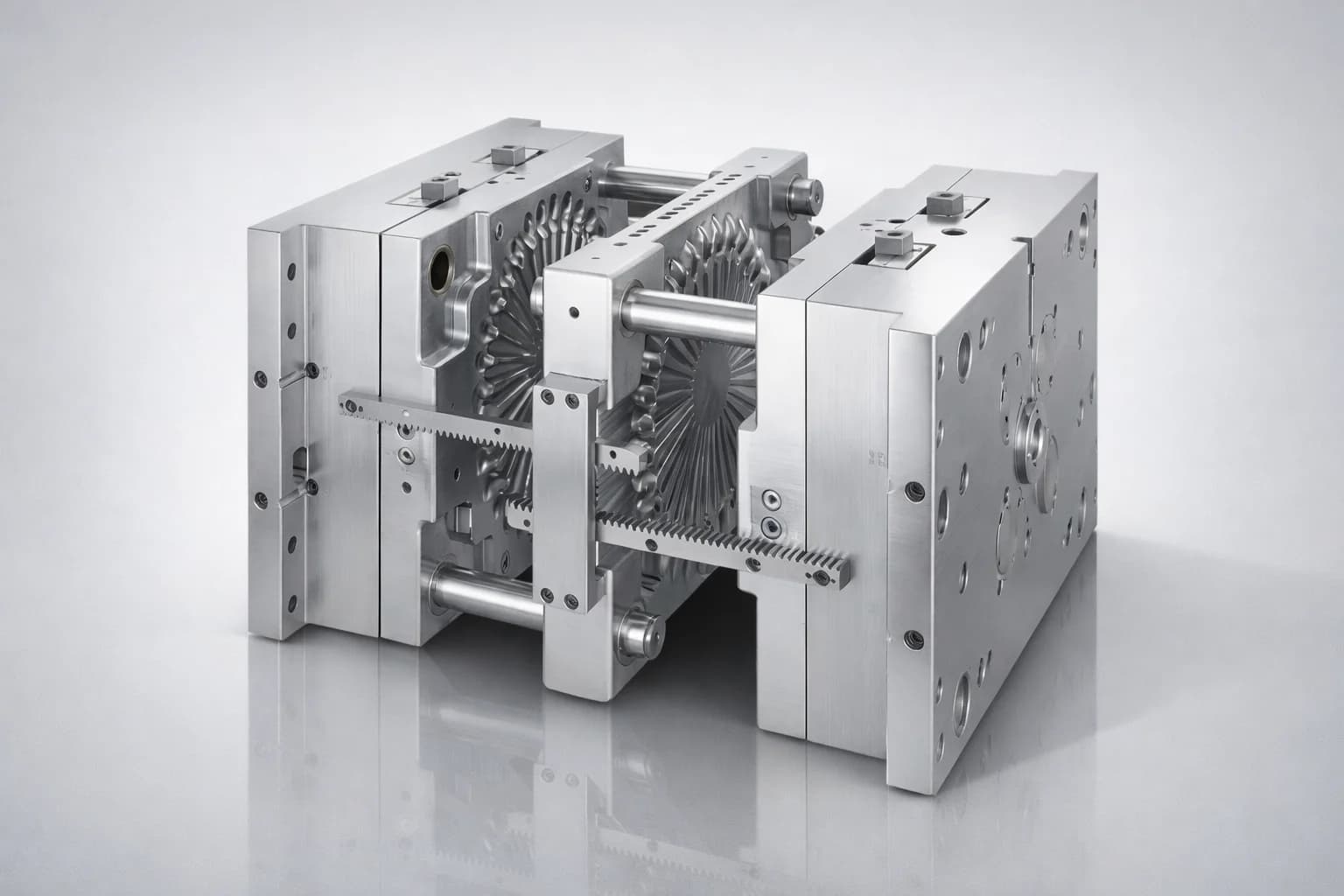
Stack mold technology doubles output per cycle
Need Expert Advice?
Talk to our engineers about your specific production requirements. Free consultation.
Production Capacity and Output Planning
At 5-7 second cycles with 8 cavities, the HMD 480M8-SPV produces 4,114-5,760 containers per hour. Operating 20-22 hours daily yields 82,000-127,000 containers per day, supporting 25-38 million containers annually per machine. Australian food packaging operations typically run 1-3 machines targeting 30-80 million containers per year. HWAMDA's production planning for Australian installations targets 92-95% OEE consistent with Australian manufacturing standards. Material throughput of 100-175 kg/hour requires PP resin supply from local LyondellBasell (Melbourne) or imported Borealis grades distributed through Australian plastics traders. HWAMDA recommends automated material handling with dehumidifying dryers to ensure consistent processing quality. Production scheduling accounts for Australian statutory holidays and weekend shift patterns typical in the local market. HWAMDA provides a detailed production capacity spreadsheet customized for each customer's operating schedule, accounting for planned maintenance windows, shift changeover time, and mold change frequency. The capacity model includes sensitivity analysis showing output variation across different cycle time scenarios to help customers plan their commercial commitments accurately.
Investment Budget and ROI for This Market
A complete HWAMDA food container line for Australia, including machine, mold, automation, and auxiliary equipment, costs approximately AUD 350,000-480,000. This is 40-50% below European-manufactured alternatives commonly used in Australian plastics processing. At 30 million containers annually with conversion margins of AUD 0.02-0.035 per container, annual gross revenue reaches AUD 600,000-1,050,000. Australian operating costs include electricity at AUD 0.15-0.25/kWh, PP resin at AUD 1,800-2,200/tonne, and labor at AUD 30-40/hour per operator. Equipment payback is achievable within 16-22 months at target utilization. HWAMDA accepts AUD wire transfers and LC terms through Australian banks. Instant asset write-off provisions under Australian tax law may provide additional financial benefit for equipment purchases. HWAMDA's competitive pricing reflects the company's focused specialization in thin-wall injection molding rather than general-purpose machinery, enabling manufacturing efficiencies and application expertise that reduce total cost of ownership for food containers production applications. The entire system is designed for 24/7 continuous operation with minimal operator intervention, reducing labor requirements while maximizing production consistency and quality output.
Key Specs
- •This is 40-50% below European-manufactured alternatives commonly used in Australian plastics processing.
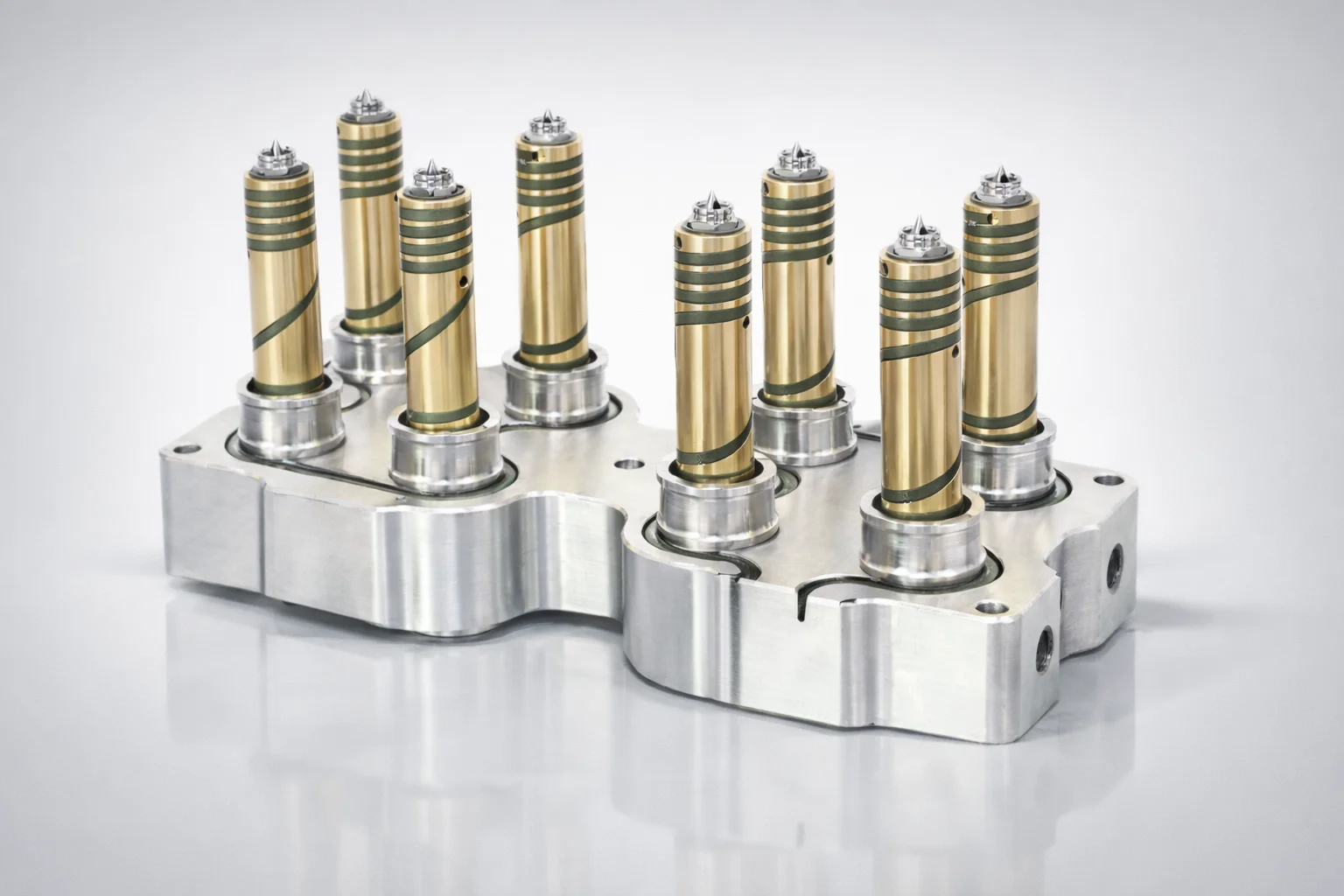
Valve gate system for gate vestige-free containers
Logistics and Local Support
HWAMDA ships to Australia through the ports of Melbourne and Sydney, with sea freight from Ningbo averaging 12-16 days. Australian Biosecurity import inspection requirements are straightforward for new machinery, with HWAMDA ensuring equipment is clean and free of contamination before shipment. Equipment ships in standard 40-foot containers. HWAMDA provides 2 engineers for 10-14 days of installation, commissioning, and training at the Australian customer site. Remote diagnostic support via VPN-connected PLC enables real-time troubleshooting during Australian business hours. Spare parts ship from China via express courier with 5-7 day delivery to Australian addresses. HWAMDA coordinates with Australian injection molding service companies for ongoing local maintenance support. HWAMDA assigns a dedicated project manager to each order, providing weekly status updates during manufacturing and coordinating all logistics milestones from factory testing through delivery and installation completion. Post-installation support includes a 90-day production optimization period with priority remote engineering access. The entire system is designed for 24/7 continuous operation with minimal operator intervention, reducing labor requirements while maximizing production consistency and quality output.
Frequently Asked Questions
Yes. HWAMDA machines for Australia are supplied with RCM-compliant electrical systems meeting AS/NZS 3820 industrial equipment safety standards. The 415V/50Hz configuration matches Australian industrial power supply. All safety systems including guarding, interlocks, and emergency stops comply with AS 4024 machinery safety requirements. HWAMDA provides full compliance documentation for Australian import and installation. HWAMDA maintains comprehensive technical files and test reports for all machines and molds, available upon request for regulatory and quality audit purposes. Contact HWAMDA's sales team for detailed specifications and quotation tailored to your specific food containers production requirements and local market conditions.
Related Guides
Ready to Start Your Project?
Get a free consultation and quotation for your thin-wall packaging production line.
Join 500+ manufacturers in 60+ countries who trust HWAMDA.
Get Free Quote