

Food Packaging Market Overview in Bangladesh
Bangladesh's rigid plastic packaging sector is growing at approximately 10-14% annually, propelled by a population exceeding 170 million, rapid urbanization, and expanding organized retail. The food packaging segment is transitioning from traditional materials to modern plastic containers, creating significant demand for injection molding equipment. The dairy industry, led by brands like Aarong Dairy, PRAN, and Milk Vita, is investing in modern packaging for yogurt, flavored milk, and curd products. The food service sector is expanding dramatically in Dhaka, Chittagong, and other major cities, with quick-service restaurants and delivery platforms driving demand for disposable containers and cups. HWAMDA's SPV5 Series addresses these applications with machines from 270T to 600T, delivering injection speeds up to 350mm/s for reliable thin-wall production. The HMD 270M8-SPV handles small containers and tableware with 16-32 cavity molds, while the HMD 380-480M8-SPV range covers dairy cups and larger food containers at competitive cycle times.Bangladesh's convenience food market growth amplifies the need for production equipment that can efficiently produce single-serve packaging at scale.HWAMDA machines installed in Bangladesh feature advanced cycle optimization controls that maximize throughput while maintaining the tight tolerances thin-wall parts require.
Key Specs
- •Bangladesh's rigid plastic packaging sector is growing at approximately 10-14% annually, propelled by a population exceeding 170 million, rapid urbanization, and expanding organized retail.
- •HWAMDA's SPV5 Series addresses these applications with machines from 270T to 600T, delivering injection speeds up to 350mm/s for reliable thin-wall production.
- •The HMD 270M8-SPV handles small containers and tableware with 16-32 cavity molds, while the HMD 380-480M8-SPV range covers dairy cups and larger food containers at competitive cycle times.Bangladesh's convenience food market growth amplifies the need for production equipment that can efficiently produce single-serve packaging at scale.HWAMDA machines installed in Bangladesh feature advanced cycle optimization controls that maximize throughput while maintaining the tight tolerances thin-wall parts require.
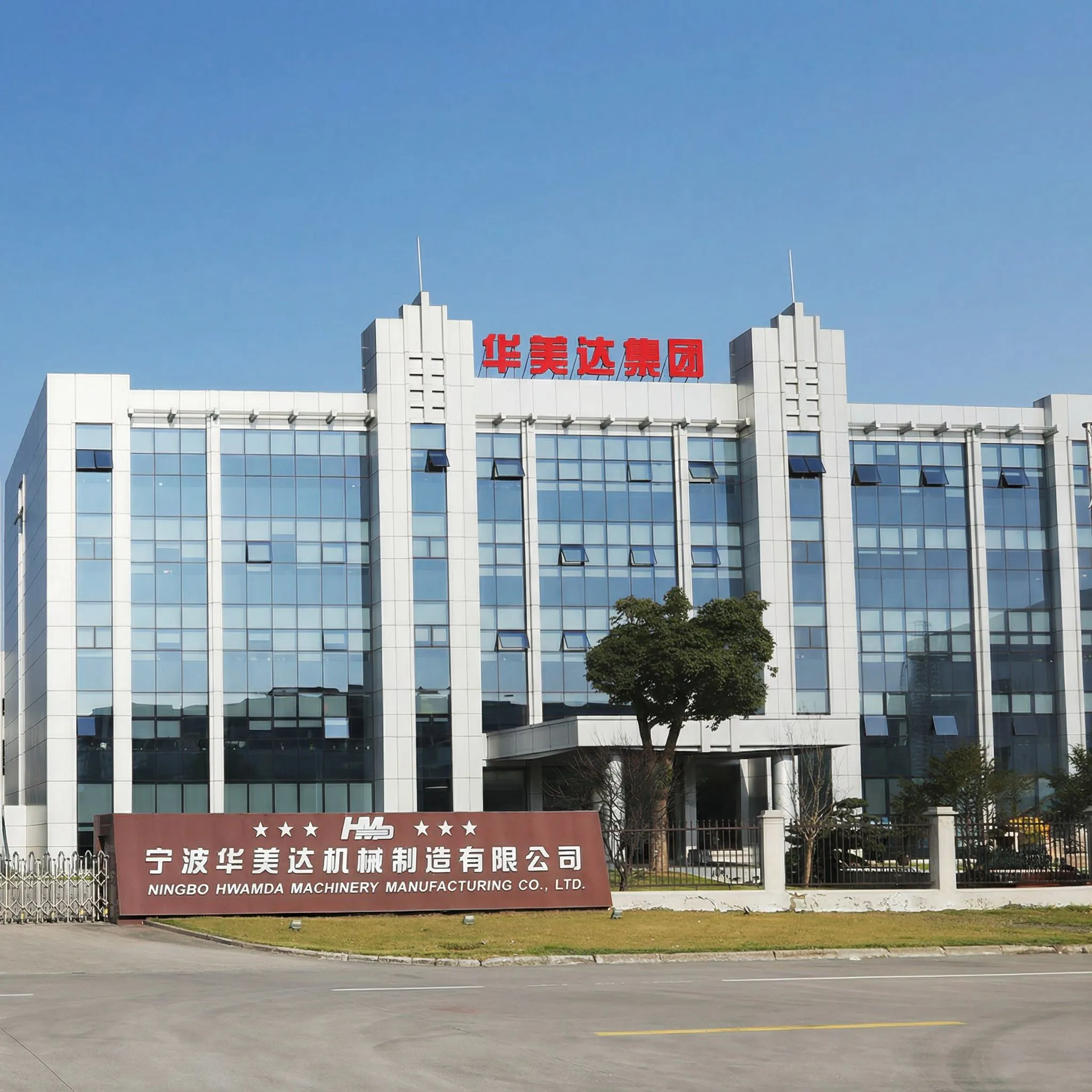
HWAMDA manufacturing facility — 20+ years of expertise
Growth in Food Service & Quick-Service Restaurants
Bangladesh's food service industry is experiencing explosive growth, particularly in urban areas where disposable packaging consumption is increasing rapidly. Quick-service restaurant chains, both international and local, are expanding aggressively, each requiring millions of disposable containers, cups, lids, and cutlery items annually. The country's growing middle class is driving demand for high-quality take-away packaging for biriyani containers, curry portions, and snack boxes. HWAMDA's thin-wall injection molding machines produce these items more efficiently than thermoforming, with better dimensional consistency and the ability to create containers with integrated snap-fit lids and tamper-evident closures. The HMD 270M8-SPV (270T) with 24-32 cavity molds produces small portion cups and sauce containers at 3-4 second cycles, achieving hourly outputs exceeding 28,000 pieces. For larger containers, the HMD 480M8-SPV runs 4-6 cavity molds for 500ml-1000ml food containers at 5-7 seconds. These production rates enable Bangladeshi converters to serve large institutional customers cost-effectively.Technical consultation for Bangladesh projects covers machine selection, mold configuration, and automation integration to optimize overall system performance.Product-specific analysis for Bangladesh manufacturers includes optimized cavity count recommendations, cycle time projections, and automation integration proposals.
Import Compliance & Local Certification
Bangladesh classifies injection molding machinery under HS code 8477, with import duty rates typically ranging from 1-5% for industrial capital goods, making it one of the more favorable import environments in South Asia. The government's industrialization policy supports machinery imports with concessionary duty rates and tax benefits for manufacturing investments. HWAMDA provides all documentation required by Bangladesh Customs, including commercial invoices, packing lists, certificates of origin, and technical specifications. For food-contact packaging, BSTI sets requirements for plastic packaging materials. HWAMDA machines support compliant production when used with approved food-grade PP and PS resins. Electrical systems are configured for Bangladesh's 400V, 50Hz three-phase supply, with voltage tolerance to handle power quality variations. HWAMDA recommends including voltage stabilizers and generator backup provisions in the factory infrastructure planning. Import shipments typically enter through Chittagong port, the country's primary commercial gateway.Bangladesh import requirements are handled by HWAMDA's experienced export team, who prepare compliant documentation packages for efficient South Asia customs processing.HWAMDA delivers comprehensive documentation to Bangladesh in compliance with local requirements—covering operation, maintenance, and safety certification.
Key Specs
- •Bangladesh classifies injection molding machinery under HS code 8477, with import duty rates typically ranging from 1-5% for industrial capital goods, making it one of the more favorable import environments in South Asia.
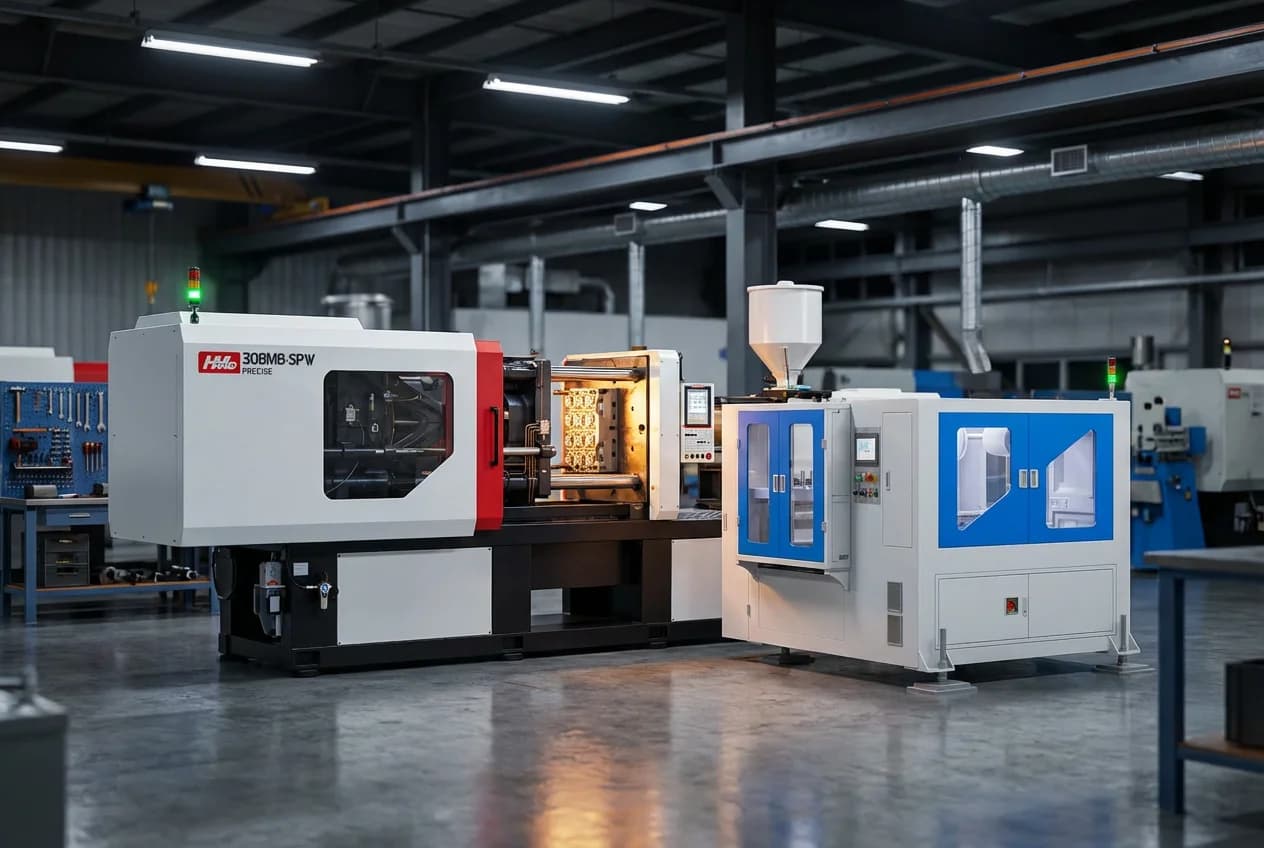
Complete SPV5 production line ready for shipment
Need Expert Advice?
Talk to our engineers about your specific production requirements. Free consultation.
Our Installed Base & Local References
HWAMDA supplies thin-wall injection molding equipment to Bangladeshi converters, focusing on food service packaging and dairy container applications. Standard installations include the HMD 270M8-SPV for disposable cups, bowls, and tableware using high-cavity molds, and the HMD 380M8-SPV for dairy cup production with 8-12 cavity configurations. Food container lines feature the HMD 480M8-SPV running 4-6 cavity molds for rectangular and round containers with matching lids. HWAMDA's turnkey approach is especially relevant in Bangladesh, where the local machinery supply chain for thin-wall molding auxiliary equipment is limited. Complete production lines include the injection molding machine, production mold, take-out robot, stacking system, conveyor, material dryer, auto-loader, and chiller. All components are factory-integrated and tested before shipment, ensuring rapid commissioning at the customer's site. HWAMDA engineers conduct on-site installation and operator training, transferring the knowledge needed for sustained independent operation.During the pre-sale phase, Bangladesh buyers work directly with HWAMDA's application engineering team to define production requirements and select optimal equipment configurations.For South Asia installations, HWAMDA's remote monitoring team continuously analyzes production data and suggests parameter refinements to improve efficiency.
Cost Analysis vs. European & Japanese Brands
HWAMDA's competitive pricing structure makes high-speed thin-wall injection molding technology accessible to Bangladeshi converters who might otherwise be limited to thermoforming equipment or lower-speed general-purpose machines. The SPV5 Series fills the critical gap between local machines that lack injection speed for thin-wall applications and European imports that exceed most capital budgets. Energy efficiency is a decisive advantage in Bangladesh, where electricity costs and availability directly impact production economics. HWAMDA's servo-hydraulic drive delivers 30-50% energy savings compared to conventional hydraulic presses, with specific consumption of 0.35-0.45 kWh/kg. The machines also feature rapid standby and restart capabilities to accommodate power interruptions. HWAMDA supports Bangladeshi customers with payment terms including L/C at sight through Bangladeshi commercial banks. The competitive pricing enables ROI periods of 10-15 months, making the investment straightforward for converters with established customer bases.Bangladesh buyers receive fully transparent quotations with line-by-line breakdowns of machine, mold, automation, and auxiliary equipment costs for clear investment planning.For South Asia customers, HWAMDA's competitive pricing reflects production efficiency at scale, delivering premium quality at significantly lower cost than European alternatives.For South Asia operations, HWAMDA offers extended warranty and preventive maintenance programs that reduce long-term ownership costs.
Key Specs
- •HWAMDA's servo-hydraulic drive delivers 30-50% energy savings compared to conventional hydraulic presses, with specific consumption of 0.35-0.45 kWh/kg.
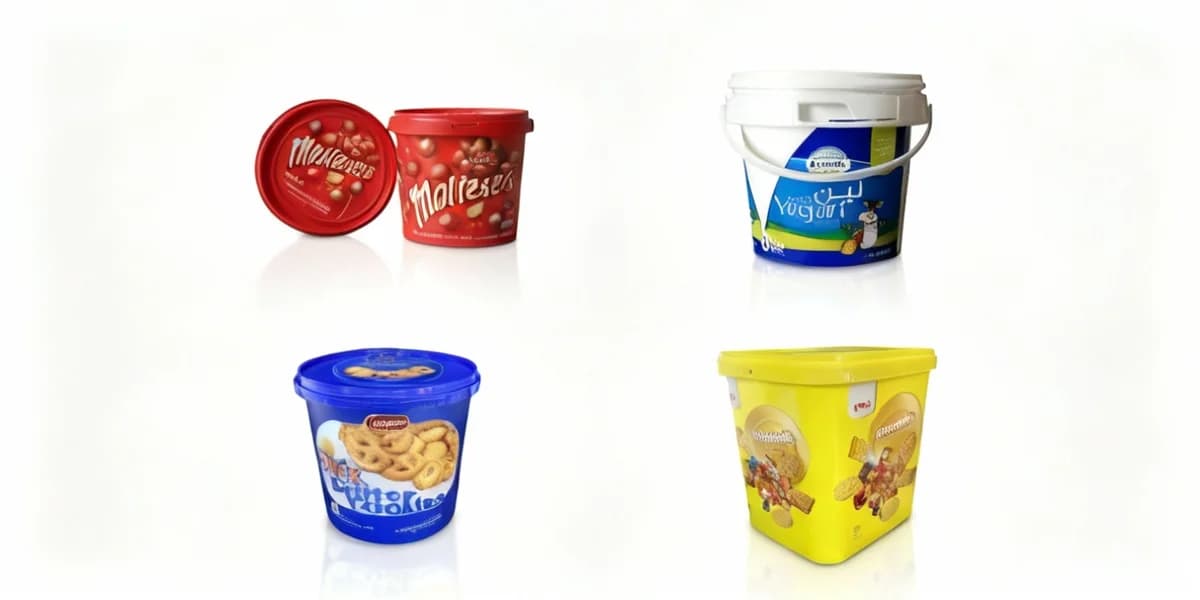
HWAMDA equipment installed at customer facility
Logistics, Setup & Technical Assistance
HWAMDA ships to Bangladesh via ocean freight with transit times of 14-20 days from Ningbo to Chittagong port. Equipment is packed in export-standard wooden crates with anti-corrosion treatment and moisture barriers suited to the tropical climate.Standard production lead time for Bangladesh orders is 60-90 days, with complete delivery to Chittagong within 2.5-3.5 months from order confirmation. HWAMDA commissioning engineers perform on-site installation for 7-14 days, handling machine setup, mold installation, robot calibration, and process optimization. Operator training is comprehensive, covering daily operations, mold changeover procedures, preventive maintenance, and troubleshooting, with training materials provided in English.HWAMDA's 24-hour remote assistance program for Bangladesh includes video-call troubleshooting and direct remote access to machine controllers. Spare parts are shipped via air freight with 5-7 day delivery to Dhaka. HWAMDA provides extended phone and video support during initial months of operation to ensure production stability and operator confidence.HWAMDA's dedicated logistics team manages the full export process for Bangladesh shipments, coordinating freight forwarding, customs documentation, and delivery to Chittagong.Real-time tracking and proactive status updates keep Bangladesh buyers informed throughout the entire shipping process, from factory to final destination.
Frequently Asked Questions
Bangladesh typically applies 1-5% import duty on injection molding machinery under HS code 8477, among the lowest rates in South Asia. The government's industrialization policy supports capital goods imports with concessionary rates. HWAMDA provides all required documentation for customs clearance through Chittagong port and can assist with applications for any available duty concessions. HWAMDA's technical support team provides detailed guidance on all regulatory and compliance requirements specific to each market, helping customers navigate import procedures and food safety documentation efficiently.
Related Guides
Ready to Start Your Project?
Get a free consultation and quotation for your thin-wall packaging production line.
Join 500+ manufacturers in 60+ countries who trust HWAMDA.
Get Free Quote