

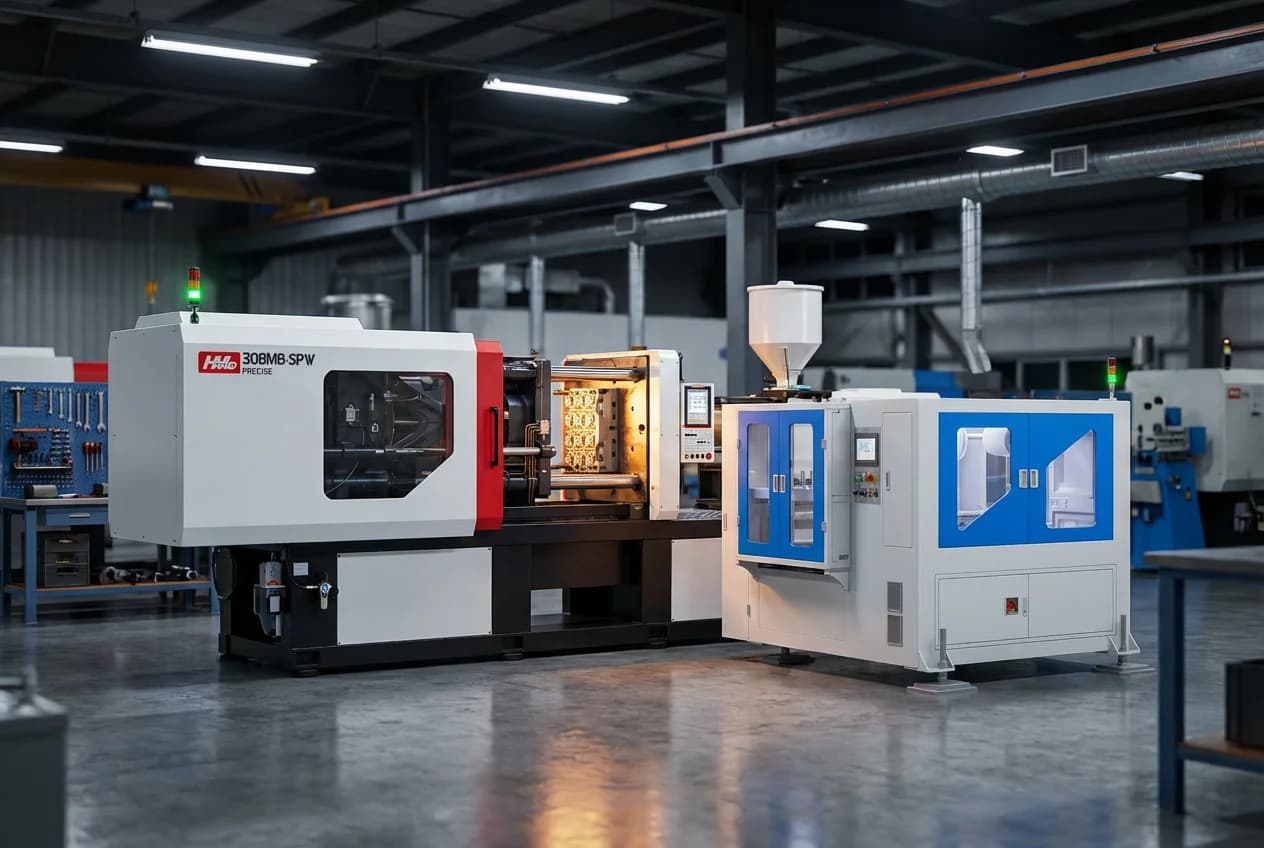
Milk Tea Cup Market Demand in Indonesia
Indonesia's milk tea market has grown exponentially, with over 4,000 boba tea outlets across the country and annual growth rates exceeding 25%. International franchises including Chatime, Tiger Sugar, Xing Fu Tang, and KOI The compete alongside hundreds of local Indonesian brands like Haus! and Esteh Indonesia. This explosive growth generates demand for billions of PP cups annually in 360-700 mL sizes, primarily 500 mL and 700 mL formats popular for boba drinks. Indonesian consumers prefer clear or translucent PP cups that showcase colorful milk tea beverages. The market requires cups with dome lids, straw holes, and sufficient wall strength to handle ice-filled drinks. Beyond dedicated tea chains, Indonesian convenience stores (Indomaret, Alfamart) and coffee shops increasingly offer milk tea, expanding cup demand further. Local cup manufacturers in Jakarta, Surabaya, and Bandung are investing in high-speed injection molding to replace imports. The growing demand across both traditional retail and modern foodservice channels creates a sustained need for high-volume, cost-efficient milk tea cups production equipment.Manufacturers in Indonesia who adopt high-speed thin-wall injection molding technology gain a decisive edge over both imports and local competitors using conventional equipment.
Key Specs
- •Indonesia's milk tea market has grown exponentially, with over 4,000 boba tea outlets across the country and annual growth rates exceeding 25%.
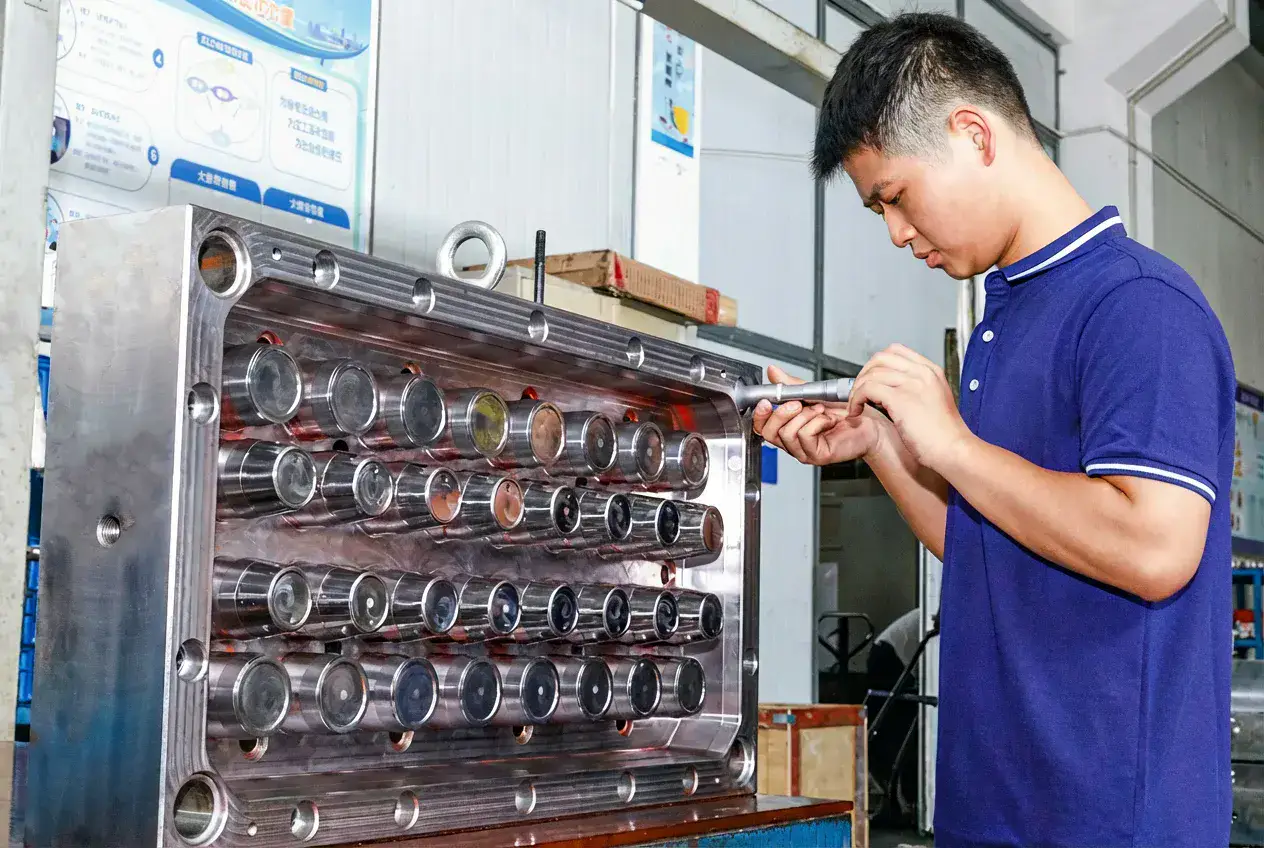
12-cavity milk tea cup mold with IML capability
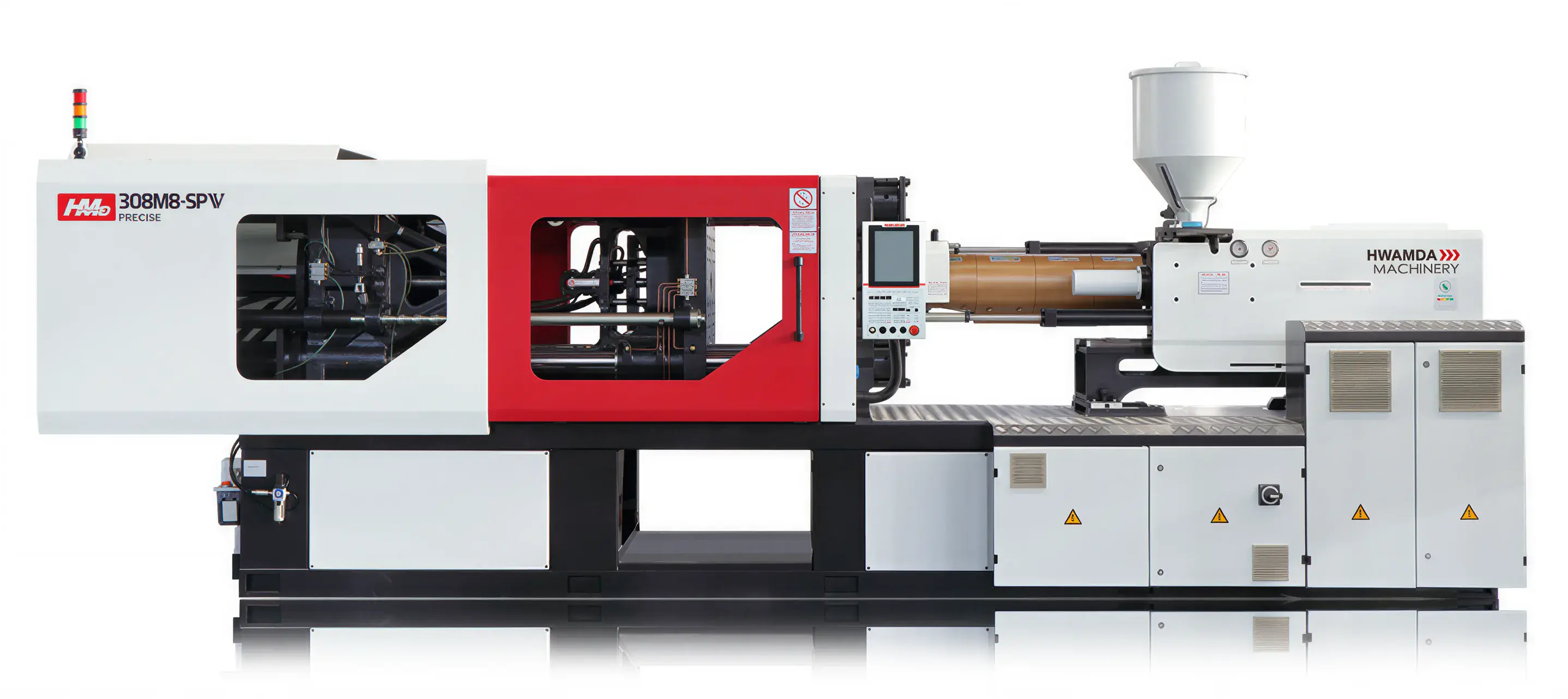
Recommended Machine: HMD 450M8-SPV (450T)
The HMD 450M8-SPV delivers 4500 kN clamping force optimized for medium-to-large cup production on 12-cavity molds. Operating on 380V/50Hz Indonesian power standards, the machine features tropical specification with enhanced oil cooling for 42-degree ambient temperatures and humidity-resistant electrical cabinets. Injection speed reaches 480 mm/s for reliable filling of tall, thin-wall milk tea cups with 0.5-0.7 mm wall thickness and 100-120 mm draw depth. The servo-hydraulic system consumes 4.5-5.5 kWh/kg, competitive at Indonesian PLN industrial tariffs. Platen size of 960 x 960 mm accommodates 12-cavity molds for 500-700 mL cup formats. The control system includes cavity pressure monitoring for consistent wall thickness in deep-draw cups. UPS-compatible PLC controls protect against Indonesian power fluctuations in industrial areas outside Java's main grid.Built for continuous operation in Southeast Asia manufacturing facilities, the machine uses hardened platen surfaces with T-slot configurations for secure, rapid mold changes.Real-time hydraulic pressure monitoring via the servo pump controller ensures each shot meets specification—critical for maintaining quality standards in Southeast Asia markets.
Mold Configuration: 12-Cavity for Indonesia
HWAMDA's 12-cavity milk tea cup mold produces 500 mL and 700 mL cups with wall thickness of 0.5-0.7 mm, optimized for the Indonesian boba tea market. The valve-gate hot runner with 12 individually controlled nozzles ensures uniform fill of tall cup geometries with 100-120 mm draw depth. H13 steel cavity inserts hardened to 50-52 HRC feature polished surfaces for the smooth, glossy cup appearance Indonesian consumers expect. Cooling circuits use conformal channels in the cup base and rim areas to maintain uniform shrinkage for consistent lid fit. Cup design includes reinforced rim geometry for dome lid snap-fit and straw-hole punch area. For Indonesian customers requiring printed cups, the mold produces surfaces optimized for offset and screen printing adhesion. HWAMDA also offers 8-cavity molds for startup operations or larger 700 mL formats requiring additional cavity spacing. HWAMDA's mold engineering team provides comprehensive DFM (Design for Manufacturability) analysis before mold production begins, optimizing gate location, cooling channel layout, and ejection strategy for the specific milk tea cups geometry.Every mold destined for Indonesia undergoes rigorous factory acceptance—dimensional measurement, trial production, and cavity balance verification—before leaving HWAMDA's plant.
Key Specs
- •HWAMDA's 12-cavity milk tea cup mold produces 500 mL and 700 mL cups with wall thickness of 0.5-0.7 mm, optimized for the Indonesian boba tea market.
- •The valve-gate hot runner with 12 individually controlled nozzles ensures uniform fill of tall cup geometries with 100-120 mm draw depth.
- •H13 steel cavity inserts hardened to 50-52 HRC feature polished surfaces for the smooth, glossy cup appearance Indonesian consumers expect.
SPV5 high-speed machine for milk tea cup production
Need Expert Advice?
Talk to our engineers about your specific production requirements. Free consultation.
Output Targets & Capacity Configuration
With 12 cavities at 5-7 second cycle times, the HMD 450M8-SPV produces 6,171-8,640 milk tea cups per hour. Operating 22 hours daily yields 135,771-190,080 cups per day, supporting annual volumes of 40-57 million cups per machine at 300 working days. Indonesian milk tea cup demand for a mid-size regional brand can reach 50-100 million cups per year, requiring 1-2 HWAMDA machine cells. PP resin consumption of 80-130 kg/hour per machine at cup weights of 10-15 grams sources from Chandra Asri domestic production or imported Korean/Thai grades. HWAMDA's production planning for Indonesian operations accounts for 85-90% OEE, with cup stacking and counting automation designed for efficient packaging of lightweight deep-draw cups that require careful handling to prevent nesting damage.HWAMDA prepares a customized capacity projection for Indonesia buyers, factoring in local operating hours, product mix, and seasonal demand patterns.HWAMDA's capacity projections for Southeast Asia include multi-scenario modeling that shows how output scales with cycle time optimization and shift configuration.
Financial Planning & Return Analysis
A complete HWAMDA milk tea cup line for Indonesia costs approximately $170,000-220,000 CIF Jakarta, including the HMD 450M8-SPV, 12-cavity mold, and auxiliaries. At 50 million cups annually with conversion margins of IDR 25-45 per cup, annual gross revenue reaches IDR 1.25-2.25 billion ($80,000-145,000). The rapid growth of Indonesia's milk tea market means that cup demand frequently outpaces supply, creating favorable pricing conditions for local manufacturers. Indonesian operating advantages include labor at IDR 4-6 million/month and growing domestic PP supply. Equipment payback ranges from 18-26 months. HWAMDA accepts USD wire transfers and LC through Indonesian banks. The investment may qualify for Indonesian tax incentives under the Omnibus Law for food packaging manufacturing. HWAMDA's competitive pricing reflects the company's focused specialization in thin-wall injection molding rather than general-purpose machinery, enabling manufacturing efficiencies and application expertise that reduce total cost of ownership for milk tea cups production applications.Indonesia operations benefit from a fully automated system designed for unattended continuous production, significantly reducing labor costs per unit.
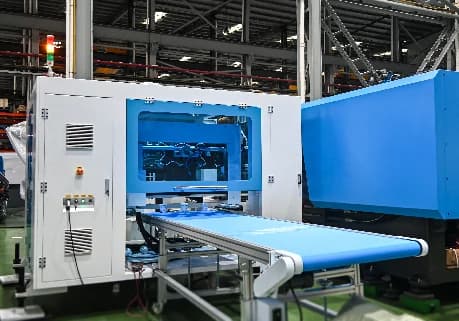
Automatic packing and stacking system
Supply Chain & Regional Support
HWAMDA ships to Indonesia through Tanjung Priok (Jakarta) and Tanjung Perak (Surabaya) with transit from Ningbo averaging 8-12 days. The machine and mold ship in a single 40-foot container. Indonesian import clearance requires standard documentation with HWAMDA's Indonesian agent assisting with LARTAS permits. Two HWAMDA engineers provide 7-10 days of installation, mold commissioning, and operator training. HWAMDA's Indonesian agent in Jakarta provides ongoing technical support in Bahasa Indonesia. Spare parts delivery from China takes 5-7 days. HWAMDA has multiple Indonesian reference installations available for prospective customer visits.For Southeast Asia customers, HWAMDA appoints a project manager who serves as the single point of contact from order confirmation through installation in Indonesia.HWAMDA's post-installation package for Southeast Asia includes 90 days of dedicated remote engineering support focused on maximizing production efficiency.The system's autonomous operation capability is ideal for Indonesia's manufacturing environment, maintaining consistent output through extended production campaigns.
Frequently Asked Questions
Yes. HWAMDA molds are optimized for clarified PP (random copolymer with nucleating agent) that achieves near-transparent clarity suitable for showcasing colorful boba tea drinks. Cup wall surfaces are mirror-polished for maximum transparency. Recommended PP grades include LyondellBasell Purell or Borealis RB307MO with Millad NX8000 clarifier. HWAMDA engineers optimize process parameters during installation for maximum cup clarity. HWAMDA maintains comprehensive technical files and test reports for all machines and molds, available upon request for regulatory and quality audit purposes. Contact HWAMDA's sales team for detailed specifications and quotation tailored to your specific milk tea cups production requirements and local market conditions.
Related Guides
Ready to Start Your Project?
Get a free consultation and quotation for your thin-wall packaging production line.
Join 500+ manufacturers in 60+ countries who trust HWAMDA.
Get Free Quote