

Food Packaging Market Overview in Japan
Japan's food packaging market is among the world's most sophisticated, driven by an enormous convenience food culture, exacting quality standards, and intense focus on food safety and presentation. The country's 56,000+ convenience stores generate massive demand for bento containers, portion cups, salad bowls, and beverage packaging. The dairy sector, led by Meiji, Morinaga, and Yakult, requires precision-molded cups for yogurt, fermented milk, and dessert products. Japanese packaging converters operate at the highest quality levels, with dimensional tolerances, surface finish, and consistency requirements that exceed most other markets. HWAMDA's SPV5 Series meets these demands with injection speeds up to 350mm/s, precise servo-hydraulic control with positional accuracy of 0.1mm, and robust toggle clamp designs that maintain consistent clamping force distribution. Machines from 270T to 600T address the full range of Japanese packaging applications.Growing consumer preference for convenience packaging in Japan further drives demand for efficient, high-capacity thin-wall injection molding solutions.The machine's sophisticated control platform, proven across East Asia installations, optimizes injection parameters cycle-by-cycle for maximum efficiency.
Key Specs
- •HWAMDA's SPV5 Series meets these demands with injection speeds up to 350mm/s, precise servo-hydraulic control with positional accuracy of 0.1mm, and robust toggle clamp designs that maintain consistent clamping force distribution.
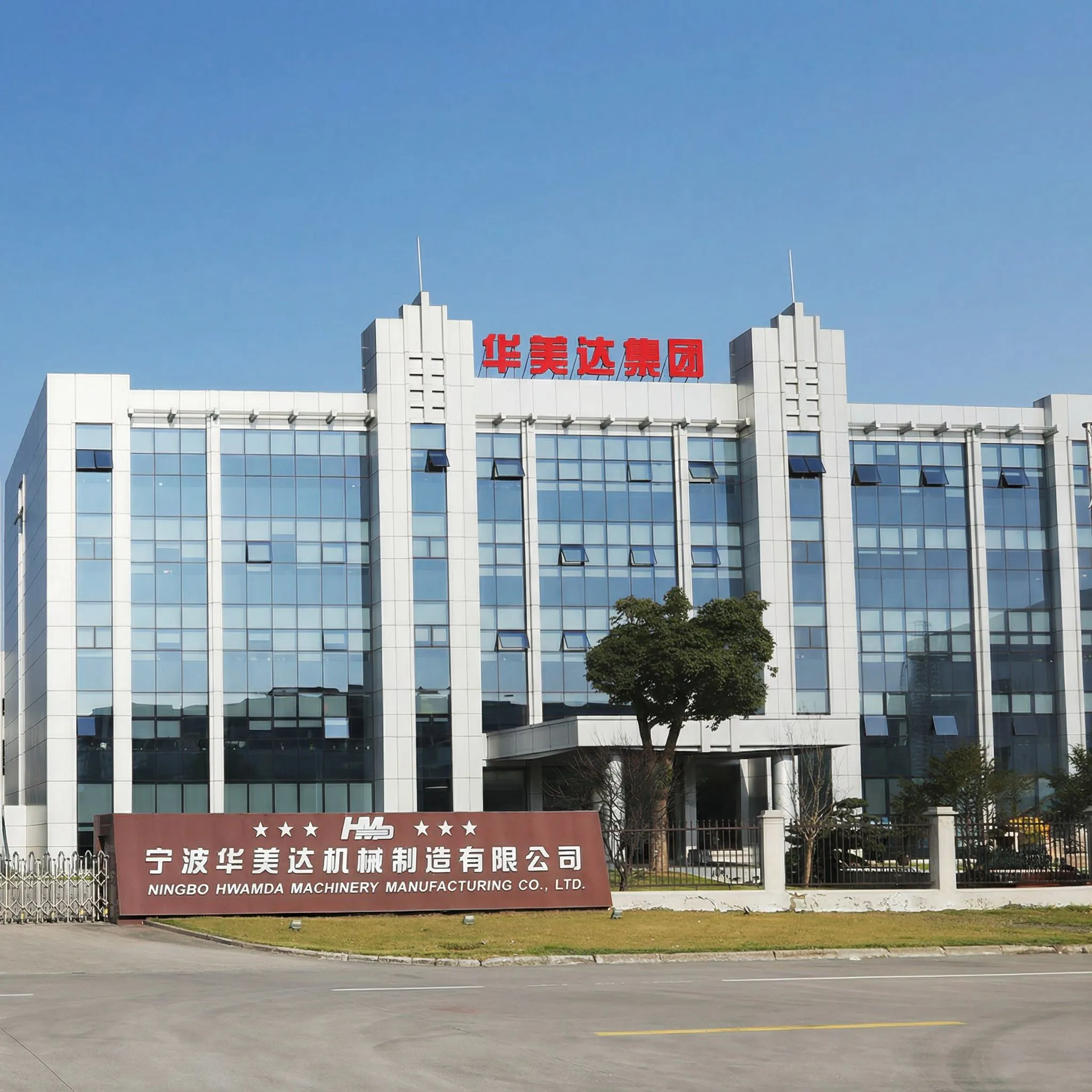
HWAMDA manufacturing facility — 20+ years of expertise
Takeaway & Food Service Packaging Trends
Japan's convenience store and food service sector represents one of the world's largest markets for thin-wall food packaging. The bento box culture alone drives demand for millions of compartmented containers daily, while the extensive vending machine network requires cups and containers for hot and cold beverages. The HMR segment is growing as Japan's aging population increasingly relies on convenience store prepared meals. HWAMDA's HMD 480M8-SPV (480T) produces bento containers and meal boxes with 4-6 cavity molds at 5-7 second cycles, delivering the flatness and lid-seal compatibility that Japanese packaging demands. For smaller containers such as sauce cups and condiment portions, the HMD 270M8-SPV runs 16-32 cavity molds at 3-4 seconds. Dessert cup production uses the HMD 380M8-SPV with 8-12 cavity molds for transparent PS or PP cups with the surface clarity Japanese consumers expect. HWAMDA's precision makes it suitable for these demanding applications.For Japan manufacturers, HWAMDA provides detailed technical guidance on machine-mold selection tailored to local product requirements and production volumes.HWAMDA's application engineers develop customized production recommendations for Japan customers based on product analysis, volume requirements, and efficiency targets.
Import Procedures & Quality Standards
Japan applies import duty on injection molding machinery under HS code 8477, with rates typically in the 0% range for most machine configurations under Japan's tariff schedule. The Japan-China bilateral trade framework supports competitive import conditions. Japanese customs procedures are efficient and well-documented, and HWAMDA provides all required documentation including commercial invoices, packing lists, and certificates of origin. For food-contact packaging, Japan's Food Sanitation Act and MHLW regulations set stringent requirements for packaging materials. Japanese JIS standards apply to plastic food containers, and HWAMDA machines support production of packaging meeting these specifications when used with approved resins. Electrical systems are configured for Japan's unique power supply requirements, with 200V three-phase at either 50Hz in eastern Japan or 60Hz in western Japan, and HWAMDA accommodates both configurations.For Japan shipments, HWAMDA's documentation specialists prepare all country-specific paperwork to ensure smooth customs clearance and regulatory compliance.For Japan installations, all technical documentation is prepared in formats meeting local regulatory standards, including translated safety guides where required.
Key Specs
- •Japan applies import duty on injection molding machinery under HS code 8477, with rates typically in the 0% range for most machine configurations under Japan's tariff schedule.
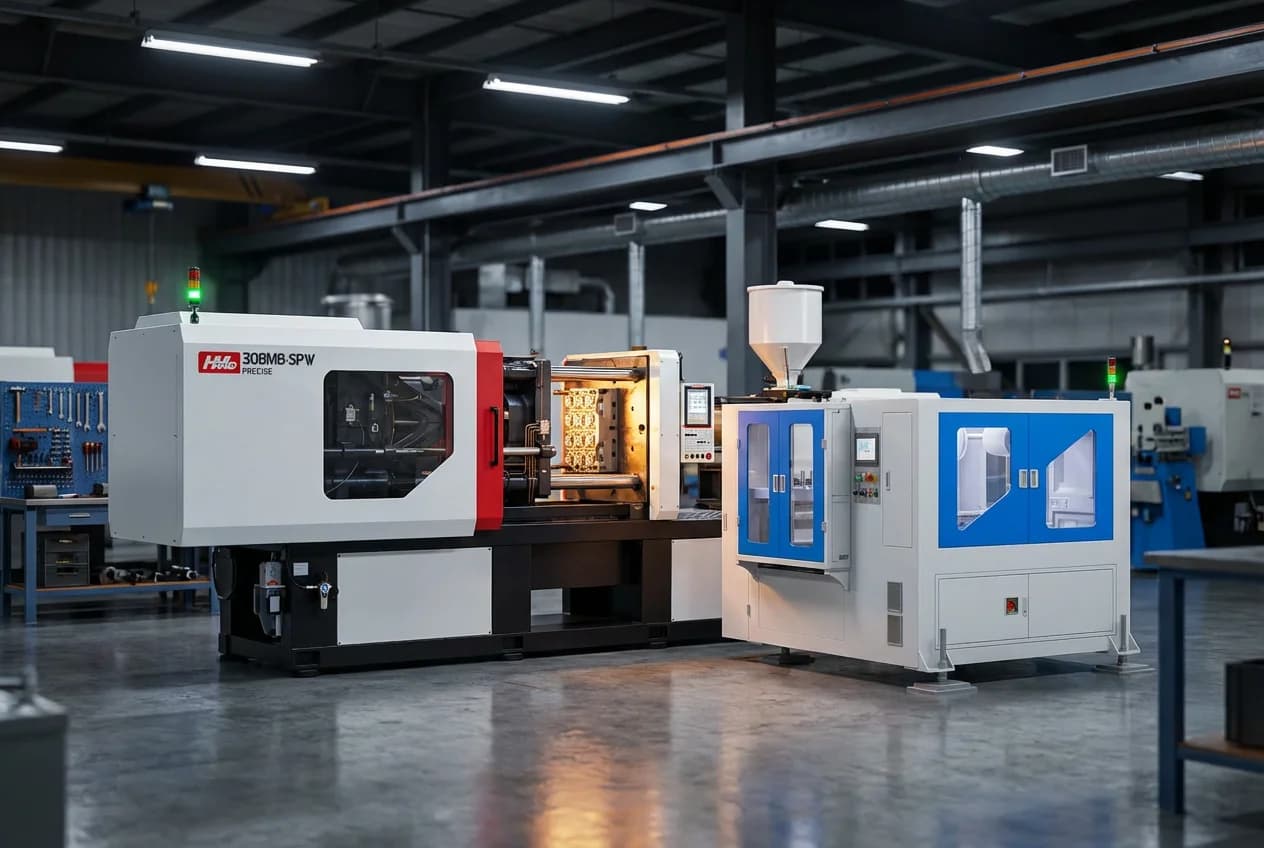
Complete SPV5 production line ready for shipment
Need Expert Advice?
Talk to our engineers about your specific production requirements. Free consultation.
Equipment Already Operating Here
HWAMDA serves Japanese packaging converters who seek to complement their existing Japanese-made machine fleets with cost-effective high-speed thin-wall capacity. The SPV5 Series integrates smoothly into Japanese production environments, with control interfaces, maintenance procedures, and documentation that meet Japanese operational expectations. Popular configurations include the HMD 480M8-SPV for food container production, the HMD 270M8-SPV for high-cavity small container applications, and the HMD 380M8-SPV for dairy cup production. Japanese converters appreciate HWAMDA's willingness to customize machine specifications to match specific production requirements, including special electrical configurations, enhanced control features, and compatibility with Japanese auxiliary equipment brands. The short shipping distance from China enables rapid delivery and responsive after-sales support.HWAMDA's application engineers collaborate closely with Japan customers during pre-sale to analyze production needs, recommend configurations, and optimize system design.Japan operators benefit from HWAMDA's ongoing remote performance monitoring, receiving proactive recommendations for cycle time and energy optimization.
Budget Planning & Competitive Positioning
HWAMDA's primary competitive advantage in Japan is delivering comparable thin-wall production performance at 40-55% below the cost of Japanese domestic machines from manufacturers such as JSW, Sumitomo, and Nissei. For Japanese converters operating multiple production lines, this price differential translates to significant capital efficiency, enabling more lines within the same investment budget. The SPV5 servo-hydraulic drive delivers specific energy consumption of 0.35-0.45 kWh/kg, competitive with Japanese energy-efficient machine platforms. Injection speeds up to 350mm/s and precise positional control meet Japanese dimensional requirements. While Japanese converters have traditionally preferred domestic equipment, rising cost pressures and the proven track record of Chinese high-speed machines are shifting procurement decisions. HWAMDA's ability to provide test shots, factory acceptance testing, and trial production runs before shipment builds confidence in the equipment quality.Japan customers receive comprehensive quotations with clear cost allocation across machine, mold, robot, and auxiliary systems for accurate investment analysis.HWAMDA's pricing advantage for Japan comes from manufacturing scale and operational efficiency—not reduced quality, with all machines built to identical international standards.Additional protection for Japan installations includes optional warranty extensions and preventive maintenance agreements tailored to operating conditions.
Key Specs
- •HWAMDA's primary competitive advantage in Japan is delivering comparable thin-wall production performance at 40-55% below the cost of Japanese domestic machines from manufacturers such as JSW, Sumitomo, and Nissei.
- •Injection speeds up to 350mm/s and precise positional control meet Japanese dimensional requirements.
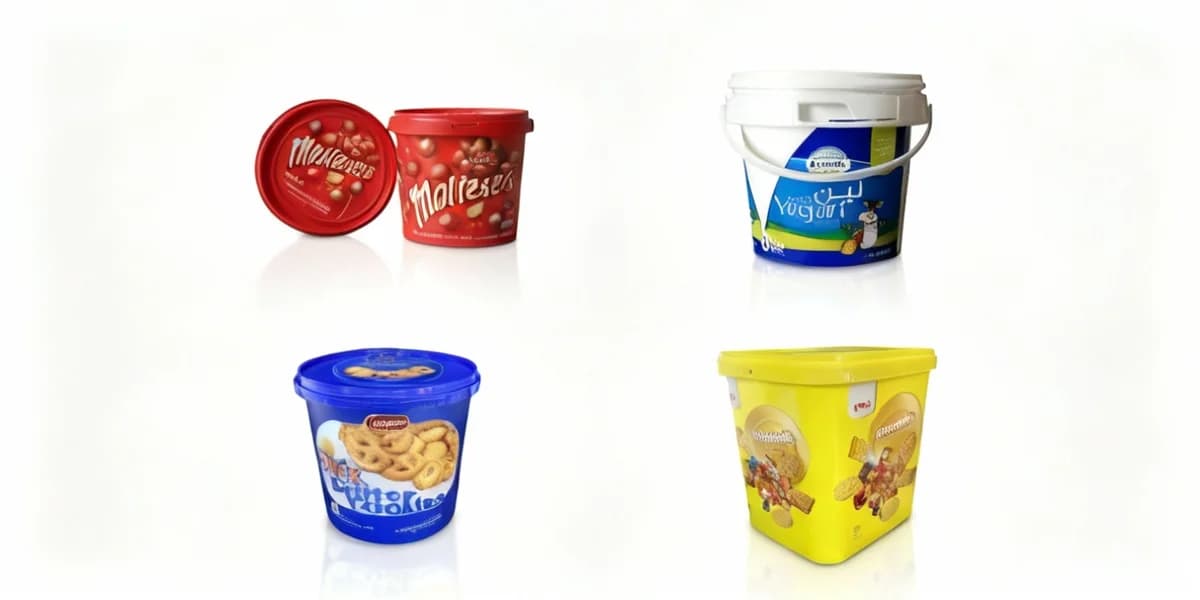
HWAMDA equipment installed at customer facility
Delivery Timeline & Local Support Network
HWAMDA ships to Japan with transit times of 3-6 days from Ningbo to major Japanese ports including Yokohama, Osaka, Kobe, and Nagoya. This proximity provides domestic-level delivery speed for a Chinese supplier. Production lead time is 60-90 days, with total delivery of 2-3 months from order confirmation. HWAMDA commissioning engineers perform on-site installation for 7-14 days, adhering to Japanese workplace standards and safety protocols. Japanese operators receive thorough training with detailed documentation. After-sales support includes 24-hour remote technical assistance, with spare parts reaching Japan in 1-3 days by air freight. HWAMDA engineers can reach Japanese customers within 24 hours for urgent support. The company understands the Japanese emphasis on uptime and maintenance, providing comprehensive preventive maintenance schedules and detailed troubleshooting guides.End-to-end logistics for East Asia customers is managed by HWAMDA's in-house export team, ensuring smooth shipping and customs processing for Japan deliveries.Japan customers receive real-time shipment tracking from factory departure through arrival at Yokohama, with proactive milestone updates at every stage.
Frequently Asked Questions
HWAMDA SPV5 Series machines deliver dimensional precision with positional accuracy of 0.1mm and injection speeds up to 350mm/s with precise closed-loop control. Japanese converters running HWAMDA equipment report part quality that meets their demanding specifications. Factory acceptance testing with customer-specific molds is available before shipment to verify performance. HWAMDA's technical support team provides detailed guidance on all regulatory and compliance requirements specific to each market, helping customers navigate import procedures and food safety documentation efficiently. Contact HWAMDA's sales team for a detailed quotation and technical consultation tailored to your specific production requirements.
Related Guides
Ready to Start Your Project?
Get a free consultation and quotation for your thin-wall packaging production line.
Join 500+ manufacturers in 60+ countries who trust HWAMDA.
Get Free Quote