

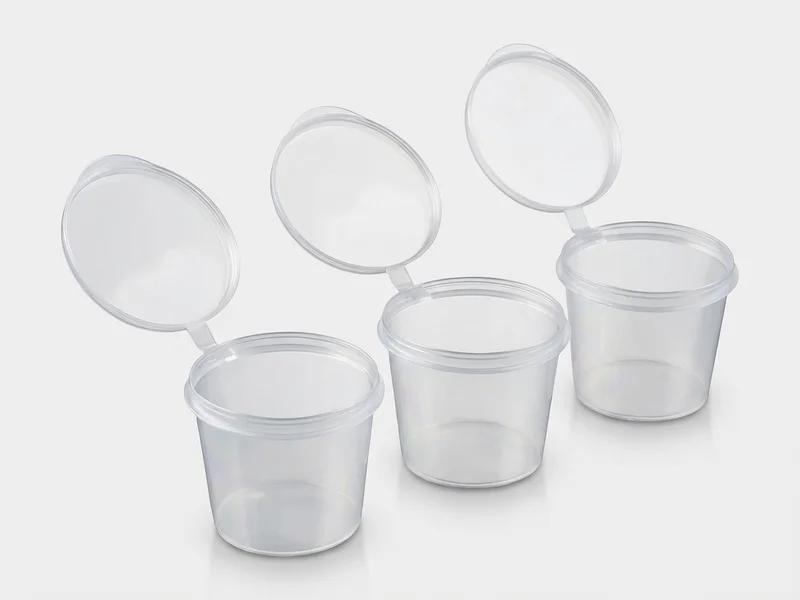
Sauce Cup Market Demand in Japan
Japan's food packaging market exceeds JPY 6 trillion annually, with sauce and condiment cups essential for the country's massive convenience store network (56,000+ kombini stores), bento culture, and foodservice sector. Japanese consumers purchase billions of small-format sauce cups for soy sauce, wasabi paste, ginger, ponzu, and salad dressing portions. The convenience store duopoly of Seven-Eleven Japan and FamilyMart drives demand for precisely manufactured cups compatible with high-speed automated filling lines. Japanese food packaging standards are among the world's strictest, requiring weight variation below 1% and dimensional tolerances within plus or minus 0.02 mm. The aging Japanese workforce creates demand for automated, reliable production equipment that maintains quality with reduced operator intervention. While domestic machine builders like Sumitomo, Fanuc, and JSW dominate, cost-conscious Japanese converters increasingly consider Chinese equipment for commodity packaging applications. The growing demand across both traditional retail and modern foodservice channels creates a sustained need for high-volume, cost-efficient sauce cups production equipment.For Japan businesses, investing in advanced thin-wall injection technology translates directly into market leadership through faster cycles and lower per-unit costs.
Key Specs
- •Japanese food packaging standards are among the world's strictest, requiring weight variation below 1% and dimensional tolerances within plus or minus 0.02 mm.
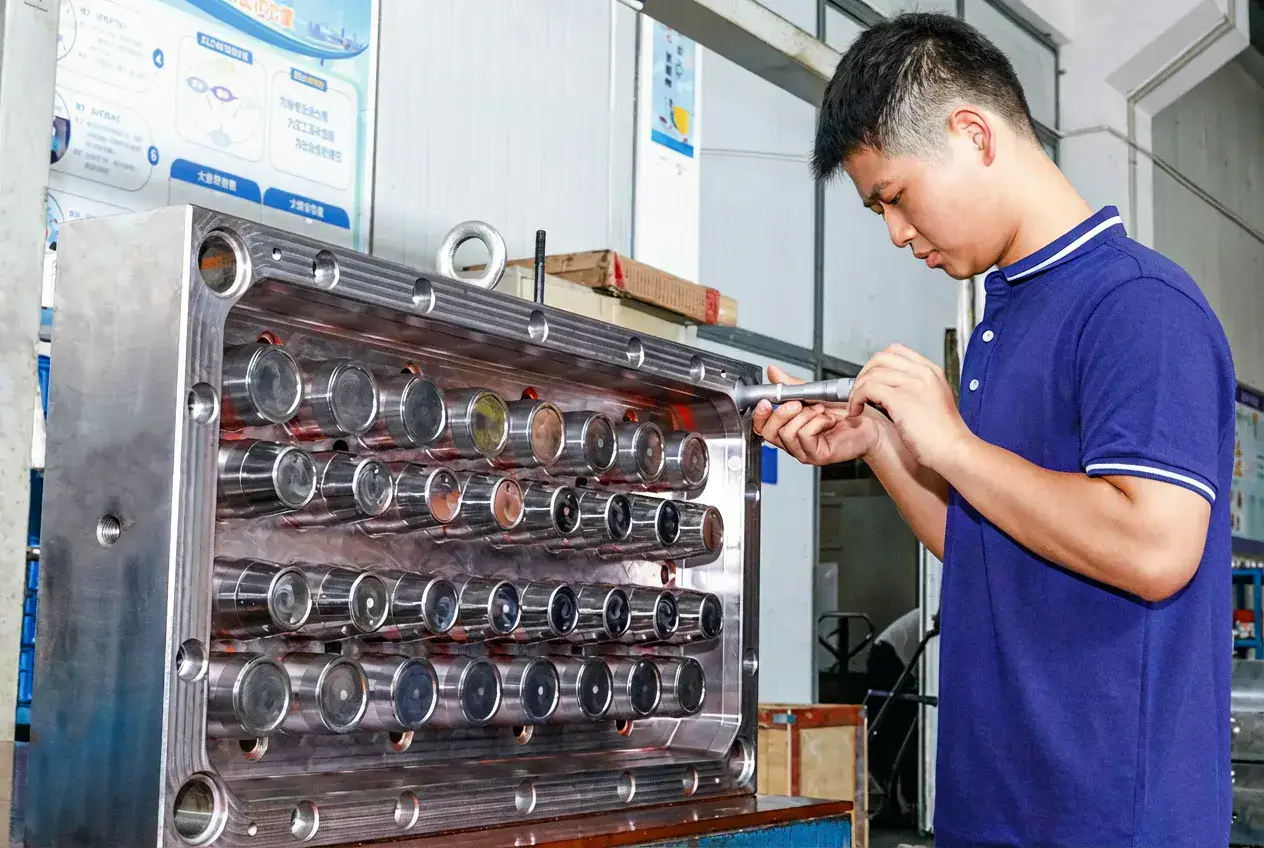
32-cavity high-speed sauce cup mold — 3 second cycle time
Recommended Machine: HMD 270M8-SPV (270-280T)
The HMD 270M8-SPV for Japan is configured with 200V/50Hz or 60Hz power (depending on region) meeting Japanese JIS standards. The 2700-2800 kN clamping system provides the precision required for Japanese food packaging, with injection position repeatability of plus or minus 0.05 mm and shot weight consistency within 0.5%. Injection speed exceeding 400 mm/s fills 32 micro-cavities with the uniformity Japanese quality standards demand. The servo-hydraulic system achieves energy efficiency of 3.0-4.0 kWh/kg, competitive with Japanese-manufactured all-electric alternatives at a fraction of the capital cost. The machine's footprint is optimized for Japanese factory spaces where floor area commands premium rent. HWAMDA provides Japanese language HMI and documentation. All safety systems comply with JIS B 6711 injection molding machine safety standards.The platen system uses hardened steel with a standardized T-slot pattern, giving Japan manufacturers flexibility in mold mounting while ensuring rigid, vibration-free clamping.The servo-driven pump system delivers real-time hydraulic feedback, enabling the closed-loop shot control precision that Japan's thin-wall production demands.
Mold Configuration: 32-Cavity for Japan
HWAMDA's 32-cavity sauce cup mold for Japan achieves the precision levels Japanese food packaging companies expect, with cavity-to-cavity weight variation below 1% and dimensional accuracy within plus or minus 0.02 mm. The valve-gate hot runner system uses premium nozzles with thermal tip control for gate-vestige-free cups suitable for Japanese retail presentation. H13 steel inserts hardened to 52 HRC with mirror polish to SPI A-1 surface finish produce cups meeting Japanese visual quality standards. Cooling design targets rapid and uniform heat extraction enabling consistent 3-4 second cycles. The mold produces Japanese-standard sauce cup formats including 10 mL, 15 mL, 25 mL, and 30 mL sizes for convenience store and bento applications. Rim design ensures compatibility with Japanese aluminum foil peelable lidding at production-line sealing speeds. All mold documentation follows Japanese technical drawing standards. HWAMDA's mold engineering team provides comprehensive DFM (Design for Manufacturability) analysis before mold production begins, optimizing gate location, cooling channel layout, and ejection strategy for the specific sauce cups geometry.Every mold destined for Japan undergoes rigorous factory acceptance—dimensional measurement, trial production, and cavity balance verification—before leaving HWAMDA's plant.
Key Specs
- •HWAMDA's 32-cavity sauce cup mold for Japan achieves the precision levels Japanese food packaging companies expect, with cavity-to-cavity weight variation below 1% and dimensional accuracy within plus or minus 0.02 mm.
- •Cooling design targets rapid and uniform heat extraction enabling consistent 3-4 second cycles.
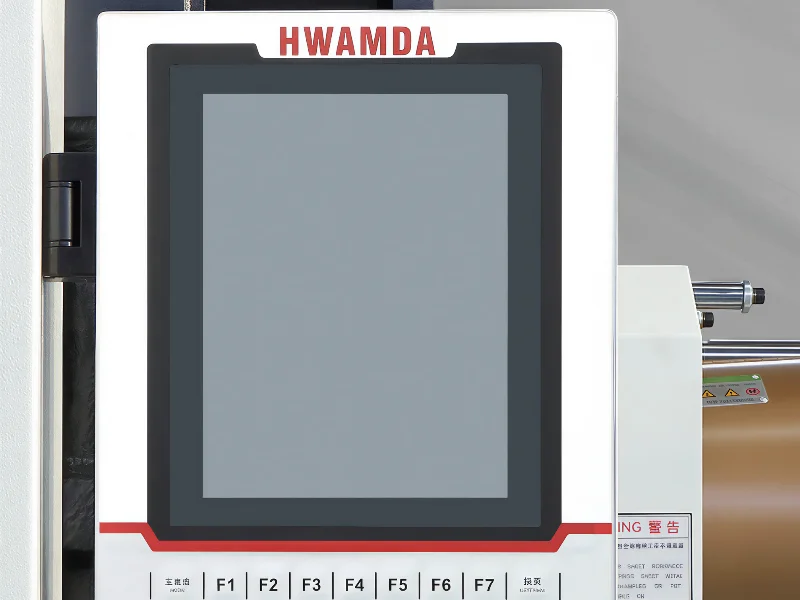
INOVA controller with precision process monitoring
Need Expert Advice?
Talk to our engineers about your specific production requirements. Free consultation.
Line Performance & Production Goals
With 32 cavities at 3-4 second cycles, the machine produces 28,800-38,400 sauce cups per hour. Japanese operations running 20-22 hours daily achieve 576,000-844,800 cups per day, reaching 173-253 million cups annually. Japanese converters serving convenience store supply chains typically operate 3-6 machines for 500 million to 1.5 billion cup annual volumes, with strict just-in-time delivery schedules. HWAMDA's production planning for Japanese operations targets 93-96% OEE, reflecting the high standards of Japanese manufacturing management. Material consumption of 30-80 kg/hour per machine uses Japanese PP grades from Prime Polymer, Japan Polypropylene, and SunAllomer. HWAMDA recommends gravimetric dosing systems meeting Japanese traceability requirements for food packaging production.Each Japan customer receives a tailored production capacity analysis accounting for their specific operating schedule, target products, and local market requirements.Japan customers can evaluate production scenarios through HWAMDA's sensitivity analysis, which maps output variation against cycle time and operational variables.
Cost Structure & Revenue Potential
A HWAMDA sauce cup line for Japan costs approximately JPY 18-24 million ($120,000-160,000) including machine, 32-cavity mold, and auxiliaries, representing 50-60% savings compared to equivalent Sumitomo or Fanuc all-electric systems. At 200 million cups annually with conversion margins of JPY 0.15-0.30 per cup, annual gross revenue reaches JPY 30-60 million ($200,000-400,000). Japanese operating costs include electricity at JPY 18-25/kWh, PP resin at JPY 180,000-220,000/tonne, and labor at JPY 250,000-350,000/month per operator. Equipment payback ranges from 14-20 months. HWAMDA accepts JPY wire transfers through Japanese banks and LC terms. The equipment qualifies for Japanese tax depreciation advantages under accelerated depreciation schedules for production machinery. HWAMDA's competitive pricing reflects the company's focused specialization in thin-wall injection molding rather than general-purpose machinery, enabling manufacturing efficiencies and application expertise that reduce total cost of ownership for sauce cups production applications.Built for the continuous production demands of East Asia markets, the system runs 24/7 with minimal operator involvement, maximizing output per labor hour.
Key Specs
- •A HWAMDA sauce cup line for Japan costs approximately JPY 18-24 million ($120,000-160,000) including machine, 32-cavity mold, and auxiliaries, representing 50-60% savings compared to equivalent Sumitomo or Fanuc all-electric systems.
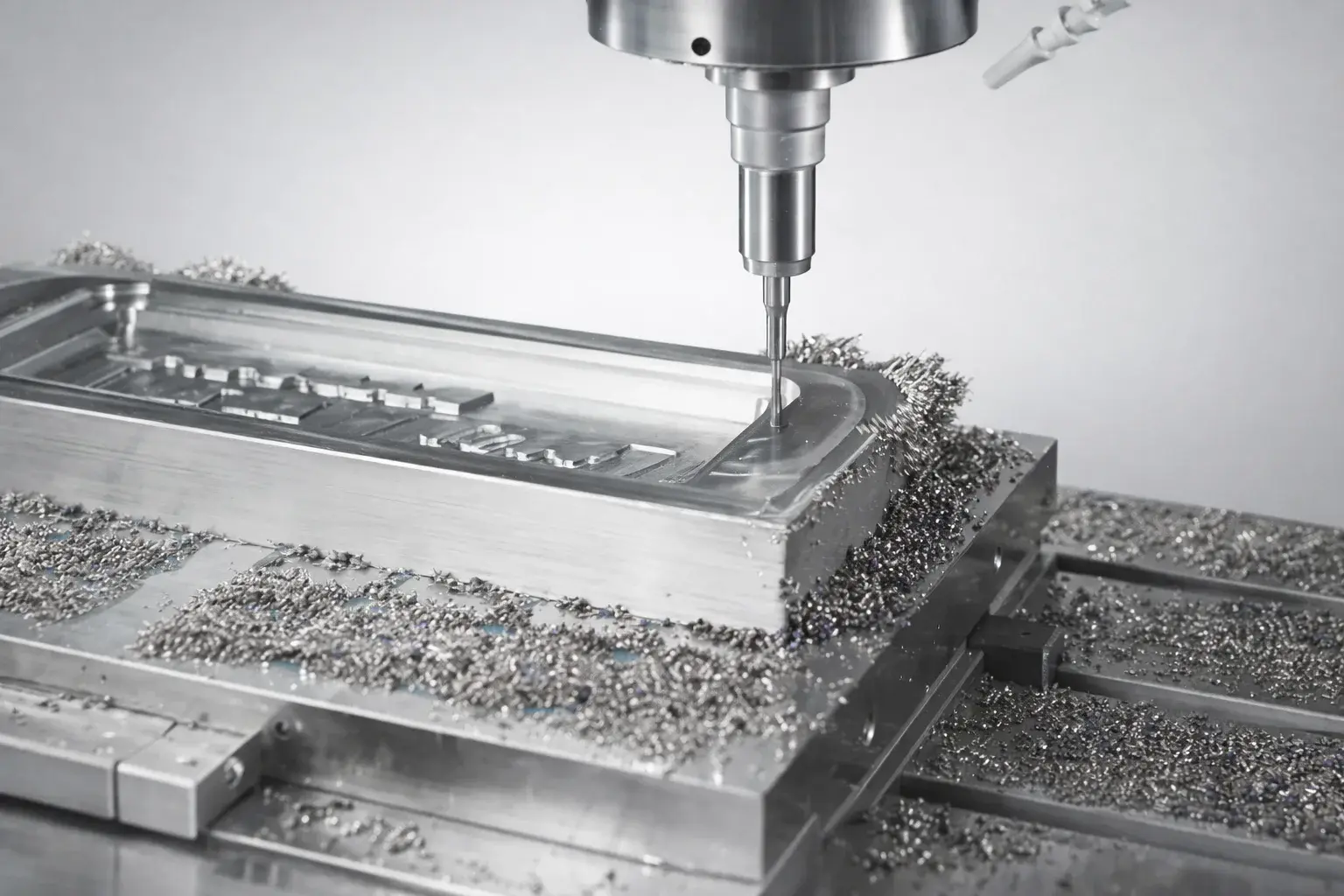
Optimized cooling channel design for rapid heat extraction
Freight Options & Local Assistance
HWAMDA ships to Japan through Tokyo, Osaka, and Nagoya ports with transit from Ningbo averaging 4-6 days, enabling rapid delivery. The compact equipment ships in a single 20-foot container. Japanese customs clearance is efficient with low duty rates for injection molding machinery. HWAMDA provides 2 engineers for 7-10 days of installation with Japanese language interpretation support. For ongoing support in Japan, HWAMDA coordinates with Japanese injection molding service companies and maintains spare parts at a Japanese logistics hub for rapid domestic delivery. Remote diagnostic support via internet-connected PLC provides real-time troubleshooting capability across the one-hour time zone difference.Japan orders are assigned a dedicated HWAMDA project manager who provides regular progress updates throughout manufacturing and coordinates logistics to Yokohama.Japan customers benefit from HWAMDA's 90-day post-installation optimization program, featuring priority access to process engineers for cycle time and quality fine-tuning.Japan operations benefit from a fully automated system designed for unattended continuous production, significantly reducing labor costs per unit.
Frequently Asked Questions
Yes. The HMD 270M8-SPV achieves injection position repeatability of plus or minus 0.05 mm and shot weight consistency within 0.5%, meeting Japanese food packaging precision requirements. HWAMDA's 32-cavity molds deliver cavity-to-cavity weight variation below 1%. These specifications are verified during factory acceptance testing using Japanese-standard measurement protocols. Multiple Japanese customers operate HWAMDA equipment successfully. HWAMDA maintains comprehensive technical files and test reports for all machines and molds, available upon request for regulatory and quality audit purposes. Contact HWAMDA's sales team for detailed specifications and quotation tailored to your specific sauce cups production requirements and local market conditions.
Related Guides
Ready to Start Your Project?
Get a free consultation and quotation for your thin-wall packaging production line.
Join 500+ manufacturers in 60+ countries who trust HWAMDA.
Get Free Quote