

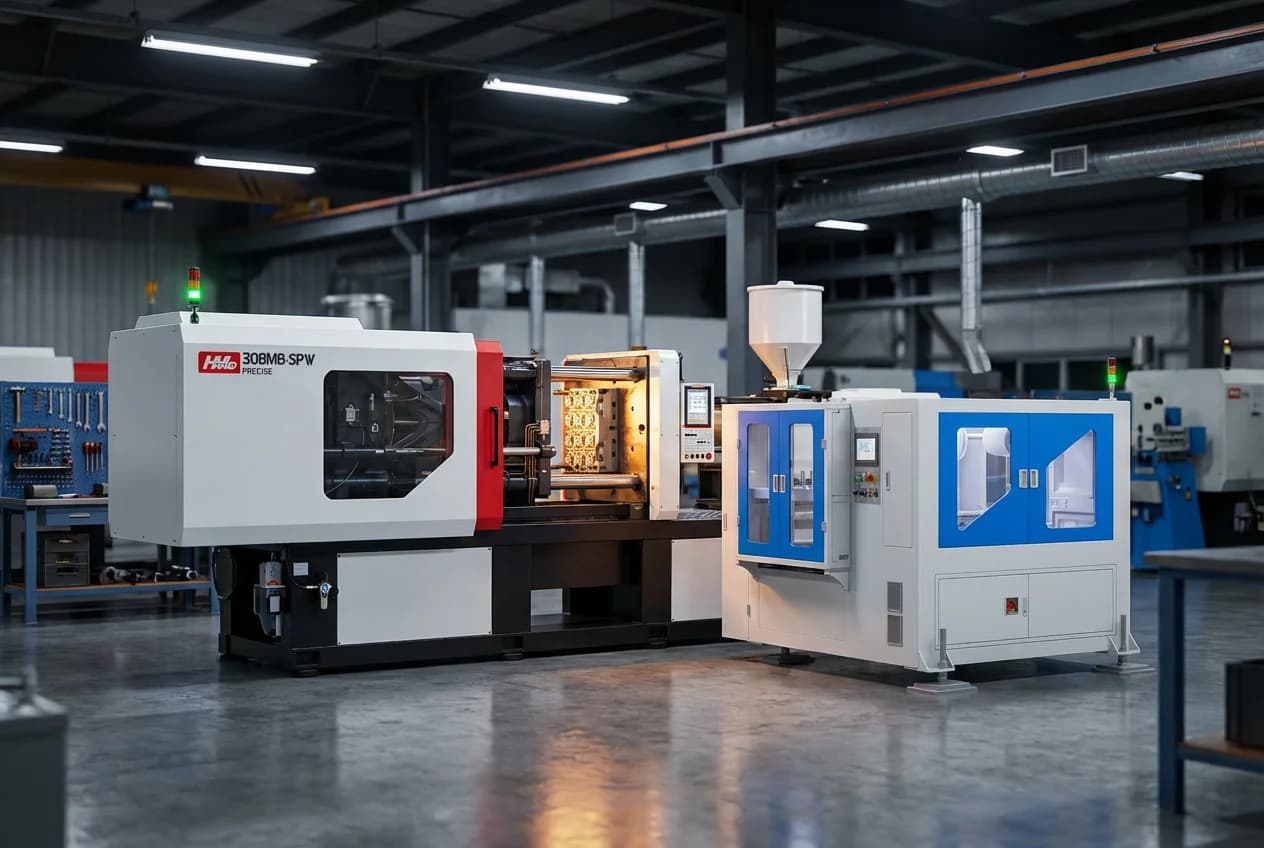
Myanmar Food Packaging Market Overview
Myanmar has a population of 55 million with GDP per capita of approximately USD 1,200 and a food packaging market undergoing rapid transformation despite political challenges. The food packaging market is valued at approximately USD 280 million, with rigid plastic packaging growing at 8-12% annually from a low base as the economy modernizes. Annual plastic packaging consumption is estimated at 120,000 tonnes, supported by approximately 50-70 injection molding companies concentrated in Yangon, Mandalay, and the Thilawa Special Economic Zone. Myanmar's tea culture is extraordinarily deep: laphet yay (Burmese milk tea) is consumed multiple times daily by a majority of the population, with an estimated 50,000+ tea shops operating nationwide from Yangon's upscale Chinatown to rural village stalls. Traditional ceramic cups are increasingly being replaced by disposable plastic cups as hygiene awareness grows and branded tea chains emerge. Brands like Royal Myanmar Tea Mix, Genius Coffee & Tea, and emerging chain operators are driving the shift to branded disposable cups. Major plastics companies include Myanmar Golden Star, Pacific Plastics, and Loi Hein Company.
Key Specs
- •The food packaging market is valued at approximately USD 280 million, with rigid plastic packaging growing at 8-12% annually from a low base as the economy modernizes.
- •Annual plastic packaging consumption is estimated at 120,000 tonnes, supported by approximately 50-70 injection molding companies concentrated in Yangon, Mandalay, and the Thilawa Special Economic Zone.
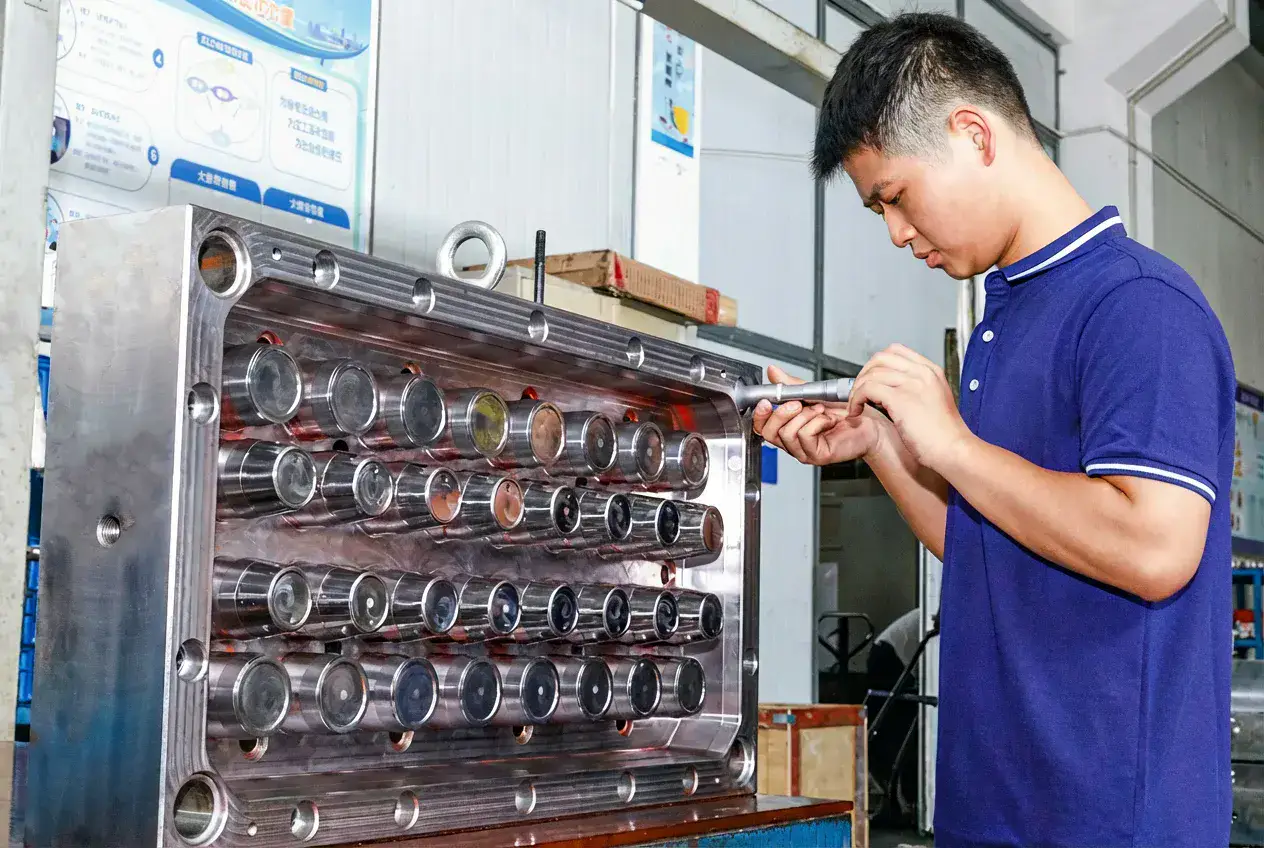
12-cavity milk tea cup mold with IML capability
Key Opportunities: Milk Tea Cup Sector
Myanmar's milk tea cup market offers compelling opportunities despite its developing economy. First, the sheer cultural intensity of tea consumption means demand is enormous relative to GDP: with 50,000+ tea shops serving an average of 200-500 cups daily, total daily consumption may exceed 15-25 million cups. Even capturing 5% of this transition from ceramic to disposable creates a multi-billion cup annual opportunity. Second, Myanmar currently imports virtually all disposable cups from China and Thailand, with landed costs of USD 0.025-0.04 per cup. Local production can reduce this by 30-40% while eliminating 6-8 week import lead times. Third, the Thilawa SEZ near Yangon offers favorable investment conditions for manufacturing. Milk tea cups at 0.45mm wall thickness weighing 8-12g require the SPV5-320/380 platform. A 4-cavity mold producing 300ml cups at 4.5-second cycles delivers 3,200 cups per hour. The compact SPV5-320 keeps capital investment accessible for Myanmar's emerging manufacturing sector.
Import Regulations and Certification Requirements
Myanmar classifies injection molding machinery under HS code 8477.10 with standard import duty of 1-3% for industrial machinery. Commercial tax (similar to VAT) of 5% applies. The Myanmar Investment Commission (MIC) provides investment permits that may include duty exemption for machinery imported for approved manufacturing projects, particularly in the Thilawa SEZ where a 5-year income tax holiday and duty-free import of capital goods are available. Food-contact packaging must comply with Myanmar FDA (Food and Drug Administration) standards, which are being progressively harmonized with ASEAN standards. Electrical supply in Myanmar is 400V/50Hz three-phase, but power reliability varies significantly by location. Yangon and the Thilawa SEZ have the most reliable supply. Import documentation requires commercial invoice, packing list, bill of lading, certificate of origin, and MIC permit (if claiming duty exemption). Myanmar banking infrastructure supports LC arrangements through state and private banks. HWAMDA provides CE certificates, technical documentation, and can arrange Myanmar-language support materials.
Key Specs
- •Myanmar classifies injection molding machinery under HS code 8477.10 with standard import duty of 1-3% for industrial machinery.
- •Commercial tax (similar to VAT) of 5% applies.
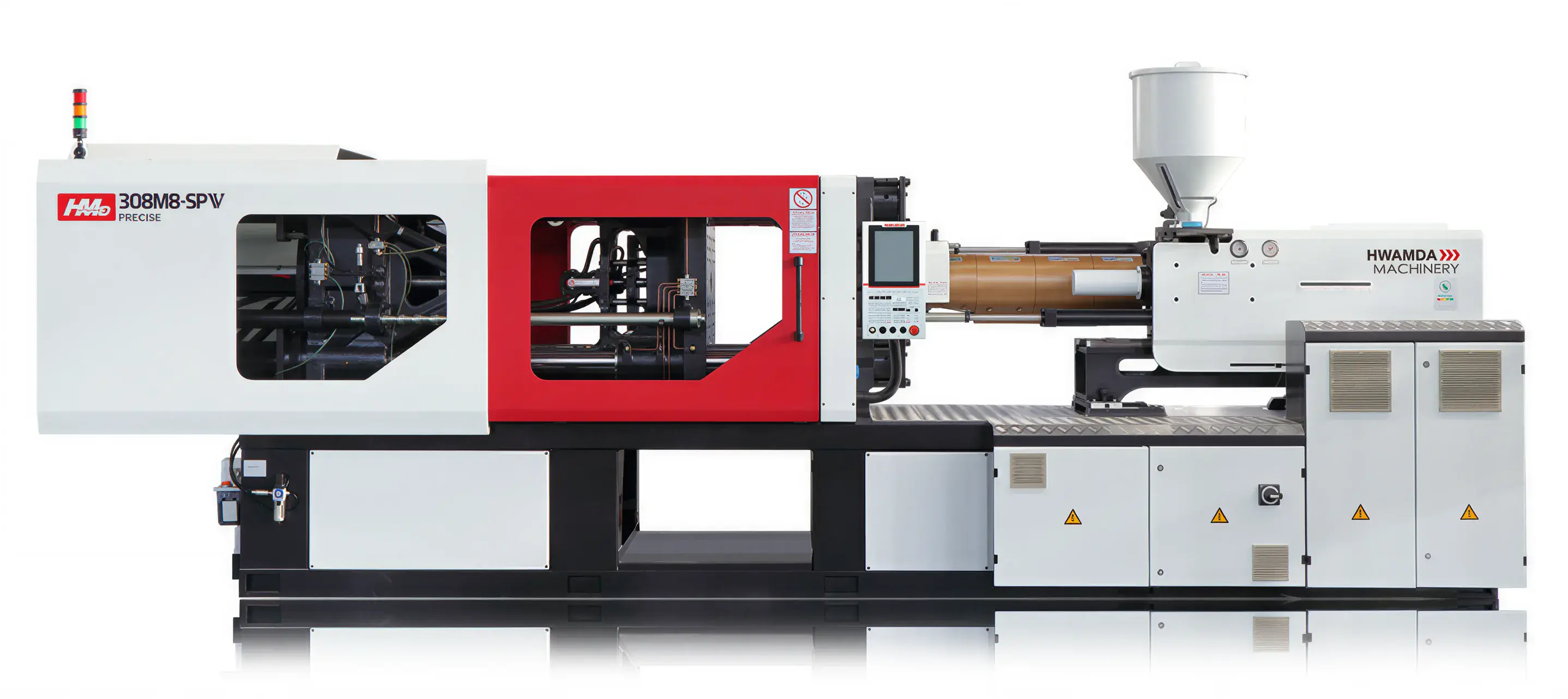
SPV5 high-speed machine for milk tea cup production
Need Expert Advice?
Talk to our engineers about your specific production requirements. Free consultation.
HWAMDA Equipment for This Market
For Myanmar's milk tea cup market, HWAMDA recommends the HMD 320M8-SPV (3,200 kN) as the primary platform, keeping capital investment accessible while delivering the speed needed for thin-wall cup production. This machine provides sufficient clamping force for 4-cavity milk tea cup molds with injection speed and pressure appropriate for 0.45mm wall thickness. For larger operations or 8-cavity molds, the HMD 380M8-SPV (3,800 kN) with 1,080 x 1,060 mm platen provides additional capacity. The recommended configuration is a 4-cavity 300ml milk tea cup mold in 2344 steel with valve gate hot runner, producing 9g cups at 4.5-5 second cycle times. The complete line includes the SPV5 machine, cup mold, take-out robot, XC-LF10A industrial chiller, vacuum hopper loader, and conveyor. Given Myanmar's power challenges, HWAMDA strongly recommends a voltage stabilizer and 30-45 kVA backup diesel generator as integral parts of the installation. Energy consumption of 1.0-1.2 kWh/kg minimizes generator fuel costs during power outages.
Logistics and After-Sales Support
HWAMDA ships to Myanmar from Ningbo Port to Yangon Port (Thilawa International Terminal), with ocean freight transit of 10-14 days via direct services. The milk tea cup line ships in one 40-foot container. Thilawa port and SEZ infrastructure provides efficient customs processing. HWAMDA's Southeast Asia service team provides on-site installation and commissioning in Myanmar, requiring 7-10 days. Training covers 5 days including machine operation, cup quality standards, and maintenance procedures. Language support in Myanmar language (Burmese) is available through HWAMDA's local agent network. Spare parts delivery from Ningbo reaches Yangon in 7-12 days by sea or 3-5 days by air freight. HWAMDA recommends maintaining a local spare parts kit valued at approximately USD 2,000-3,000 for critical components. HWAMDA provides 24-month machine warranty and 12-month mold warranty. Technical support via WhatsApp at +86-159-5888-5672 ensures responsive communication.
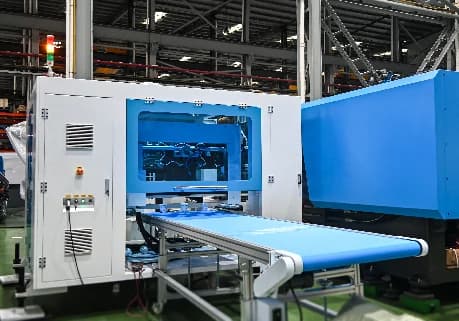
Automatic packing and stacking system
Getting Started: Investment and ROI
Total investment for a complete HWAMDA milk tea cup line for Myanmar ranges from USD 140,000 to USD 200,000, including the HMD 320M8-SPV machine (USD 68,000-88,000), 4-cavity milk tea cup mold (USD 9,000-14,000), take-out robot (USD 9,000-14,000), chiller, loader, voltage stabilizer, generator, and auxiliaries. With MIC approval in the Thilawa SEZ, machinery imports are duty-free. At 4-cavity running 4.5-second cycles with 75% OEE (conservative for Myanmar conditions), output reaches 2,400 cups per hour or approximately 17.4 million annually. Production cost per 300ml cup: PP resin USD 0.009-0.012, energy USD 0.002, labor USD 0.001, mold amortization USD 0.001, totaling approximately USD 0.013-0.016. Myanmar market prices for disposable milk tea cups range from MMK 25-50 (USD 0.012-0.024), yielding gross margins of 10-50% depending on cup size and decoration. Compared to imported Chinese cups at USD 0.025-0.04 landed, local production is competitive. Equipment payback: 18-28 months. Contact sales@hwamdaglobal.com.
Frequently Asked Questions
The Thilawa SEZ offers a 5-year income tax holiday (extendable to 7 years for promoted sectors), duty-free import of capital goods and raw materials, streamlined customs procedures, reliable power supply, and the right to lease land for up to 50 years. The Myanmar Investment Commission (MIC) permit is processed within 30-60 days through the Thilawa Management Committee. These incentives significantly reduce the effective cost of establishing milk tea cup manufacturing in Myanmar.
Related Guides
Ready to Start Your Project?
Get a free consultation and quotation for your thin-wall packaging production line.
Join 500+ manufacturers in 60+ countries who trust HWAMDA.
Get Free Quote