

Russia's Injection Molding Machine Market Landscape
Russia's injection molding machine market is estimated at USD 450-550 million in 2025, with approximately 800-1,000 active injection molding companies across the country. The food packaging segment accounts for roughly 30-35% of total machine demand. Major Russian packaging producers include Upackgroup, KPC Group (Klinsky Plastic Combine), Danone Russia operations, and Russkiy Produkt packaging divisions. Traditional European suppliers including ENGEL, KraussMaffei, Netstal, and Arburg have held strong market positions, but Western sanctions since 2022 have severely disrupted European machinery supply chains to Russia. Chinese injection molding machine suppliers including Haitian, Borch, and HWAMDA have rapidly gained market share, with Chinese brands now accounting for an estimated 50-60% of new machine installations in Russia. Import duty for HS 8477.10 (injection molding machines) is 0% under Russia's EAEU (Eurasian Economic Union) customs tariff, significantly reducing barrier to entry. Russian industrial automation association ROSSTANDART governs equipment certification through GOST-R and EAC (Eurasian Conformity) marking requirements.
Key Specs
- •The food packaging segment accounts for roughly 30-35% of total machine demand.
- •Chinese injection molding machine suppliers including Haitian, Borch, and HWAMDA have rapidly gained market share, with Chinese brands now accounting for an estimated 50-60% of new machine installations in Russia.
- •Import duty for HS 8477.10 (injection molding machines) is 0% under Russia's EAEU (Eurasian Economic Union) customs tariff, significantly reducing barrier to entry.
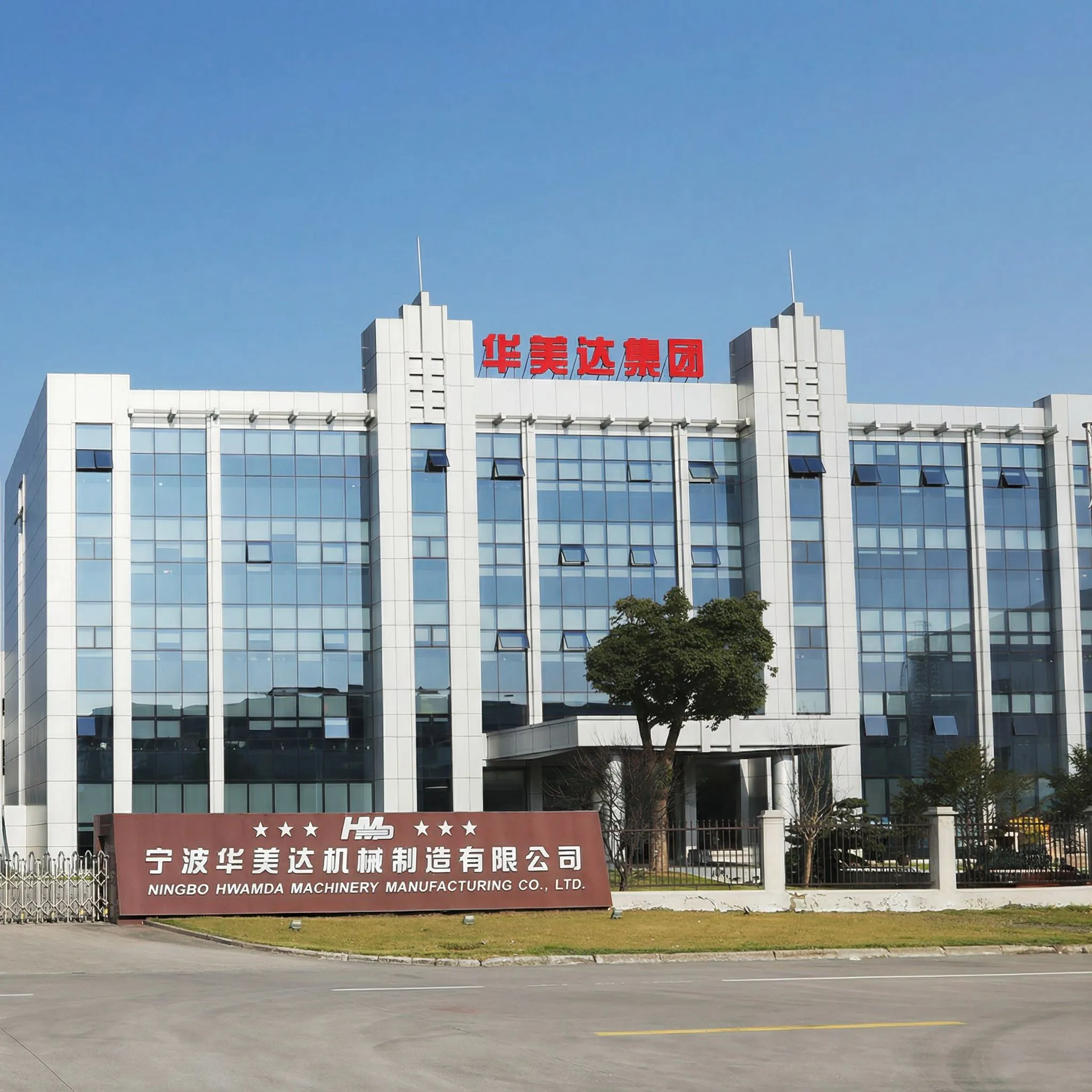
HWAMDA manufacturing facility — 20+ years of expertise
HWAMDA SPV5 Series for Russian Packaging Applications
Russia's thin-wall packaging demand centers on dairy cups (yogurt, smetana, tvorog), food containers for prepared meals, and disposable tableware for the country's expanding foodservice sector. The HMD 380M8-SPV with 3800kN clamping force and 400mm/s injection speed serves yogurt cup production in 8-16 cavity molds with cycle times of 3.5-4.5 seconds, producing cups weighing 4-8g at 0.4mm wall thickness. For food containers (pelmeni packaging, salad containers) at 15-25g, the HMD 480M8-SPV delivers 4800kN clamping force and 410mm/s injection speed with 4-8 cavity molds running 5-7 second cycles. Disposable tableware production uses the HMD 270M8-SPV at 2700kN for cutlery in 24-48 cavity configurations. All SPV5 models operate on Russia's 380V/3-phase/50Hz power standard. The INOVA controller supports Russian-language HMI and interfaces with standard Russian industrial communication protocols. Energy consumption of 1.0-1.2 kWh/kg is critical in Russia's continental climate where factory heating costs are substantial and energy-efficient machinery reduces total facility power requirements.
Competitive Positioning Against European and Chinese Suppliers
HWAMDA's competitive advantage in Russia operates on three axes: pricing, availability, and technical performance. SPV5 series machines are priced 35-50% below equivalent European machines and 15-25% below premium Chinese competitors like Borch and Dakumar. Manufacturing lead time of 60-90 days compared to 4-6 months for European suppliers (where available) accelerates project timelines. Technical specifications directly address Russian production requirements: injection speed of 368-422mm/s across the range covers all thin-wall applications from 0.35mm sauce cups to 0.6mm yogurt pails, while clamping force from 2700-6000kN spans cutlery molds to large bucket production. Compared to Haitian's Jupiter II series, HWAMDA SPV5 offers 10-15% faster injection speeds and the INOVA controller provides superior real-time process monitoring with 1ms scan resolution. Against ENGEL e-speed (where still available), the SPV5 concedes approximately 15-20% in maximum injection speed but delivers 40-50% lower capital cost with equivalent cycle time performance on most standard thin-wall applications. HWAMDA's growing installation base in Russia exceeds 50 machines across dairy, food packaging, and tableware applications.
Key Specs
- •SPV5 series machines are priced 35-50% below equivalent European machines and 15-25% below premium Chinese competitors like Borch and Dakumar.
- •Technical specifications directly address Russian production requirements: injection speed of 368-422mm/s across the range covers all thin-wall applications from 0.35mm sauce cups to 0.6mm yogurt pails, while clamping force from 2700-6000kN spans cutlery molds to large bucket production.
- •Compared to Haitian's Jupiter II series, HWAMDA SPV5 offers 10-15% faster injection speeds and the INOVA controller provides superior real-time process monitoring with 1ms scan resolution.
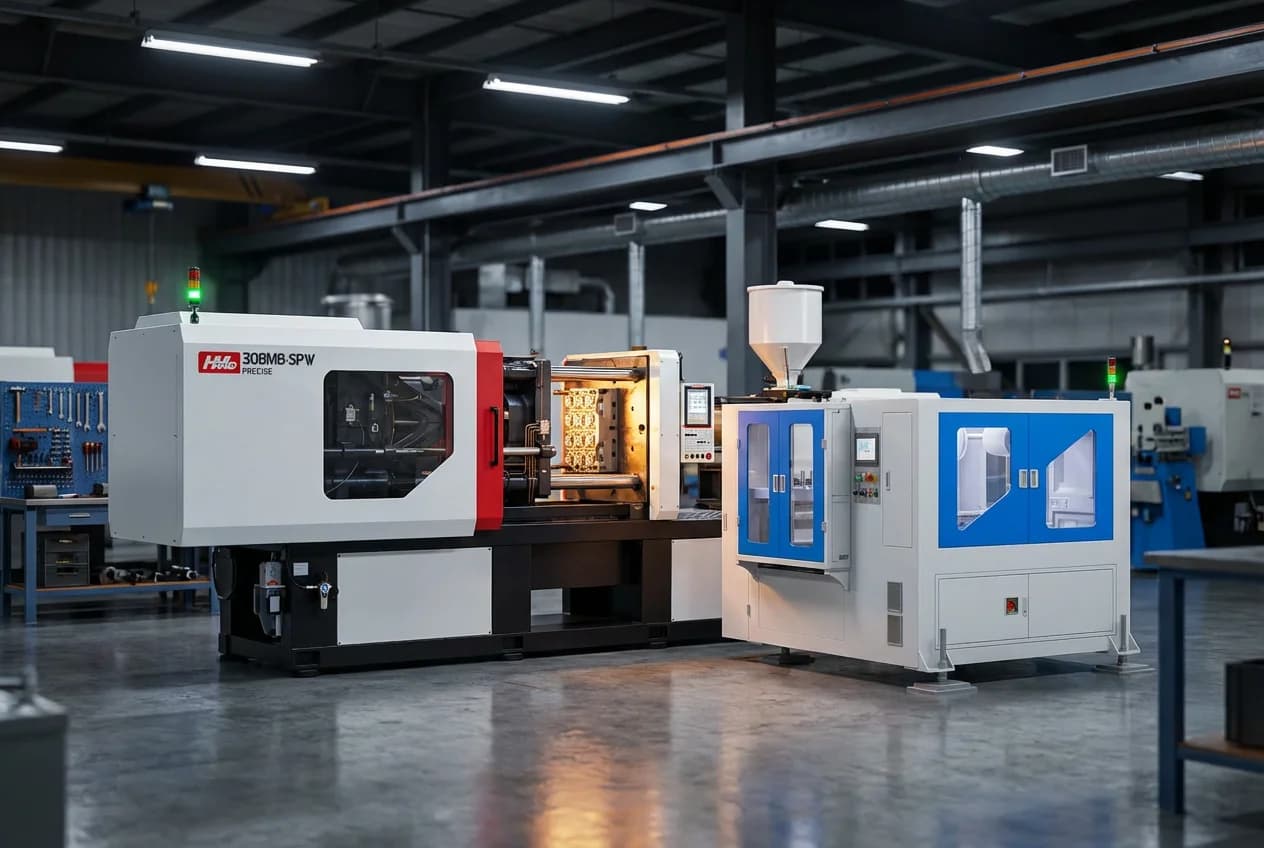
Complete SPV5 production line ready for shipment
Need Expert Advice?
Talk to our engineers about your specific production requirements. Free consultation.
EAC Certification and Russian Regulatory Requirements
All machinery sold in Russia and EAEU member states (Belarus, Kazakhstan, Armenia, Kyrgyzstan) requires EAC (Eurasian Conformity) marking under Technical Regulations TR CU 004/2011 (Electrical Equipment Safety), TR CU 010/2011 (Machinery and Equipment Safety), and TR CU 020/2011 (Electromagnetic Compatibility). HWAMDA holds valid EAC certificates for the complete SPV5 series, issued by accredited Russian certification bodies with validity covering all EAEU markets. The certification process includes factory audit, product testing against Russian GOST standards, and ongoing surveillance. For food-contact packaging production, materials must comply with TR CU 005/2011 (Food Packaging Safety) and specific Russian SanPiN regulations for migration testing. PP resins used in Russian food packaging must carry registration in the Russian Register of Food Contact Materials. HWAMDA provides complete EAC documentation package including certificates, declarations of conformity, and Russian-language technical manuals meeting TR CU requirements. Customs clearance in Russia requires conformity certificate, commercial invoice in Russian Ruble denomination, and customs declaration filed via Russian electronic customs system (Tamozhnya).
Supply Chain and Logistics for Russian Market
HWAMDA offers multiple logistics pathways to Russian customers depending on destination. For western Russia (Moscow, St. Petersburg, Nizhny Novgorod), sea freight via Baltic ports (St. Petersburg, Ust-Luga) takes 35-42 days from Shanghai with transshipment in European hub ports. For southern Russia (Krasnodar, Rostov-on-Don), routing via Black Sea ports (Novorossiysk) provides 25-32 day transit. For Siberian and Ural customers (Novosibirsk, Yekaterinburg, Chelyabinsk), rail freight via China-Russia border crossings (Manzhouli/Zabaikalsk or Khorgos/Dostyk) delivers in 18-25 days, increasingly preferred since 2022. Direct rail from HWAMDA's factory to Moscow takes approximately 14-18 days via the China-Europe rail corridor. Import duty is 0% for HS 8477.10 under EAEU CET, with Russian VAT at 20% (recoverable for registered businesses). The HMD 380M8-SPV at approximately 22 tonnes requires a 40ft container for sea/rail transport. HWAMDA maintains a regional spare parts inventory accessible to Russian customers with 5-7 day delivery for critical components. Russian ruble payment settlement is available through Chinese banking channels.
Key Specs
- •Import duty is 0% for HS 8477.10 under EAEU CET, with Russian VAT at 20% (recoverable for registered businesses).
- •The HMD 380M8-SPV at approximately 22 tonnes requires a 40ft container for sea/rail transport.
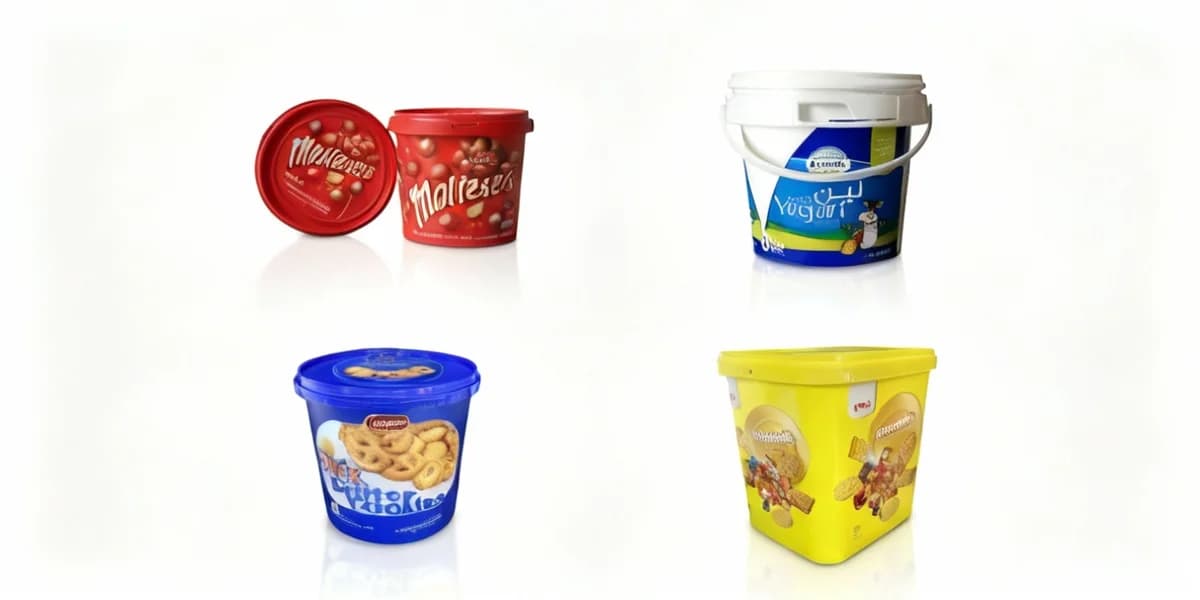
HWAMDA equipment installed at customer facility
Technical Support and Service Infrastructure for Russia
HWAMDA's Russian market support includes Russian-speaking technical engineers providing remote diagnostic assistance within 4 hours during Moscow business hours (UTC+3). On-site service deployment reaches western Russian locations within 72 hours and Ural/Siberian locations within 96 hours via HWAMDA's service network. Installation and commissioning require 7-10 working days for standard SPV5 configurations, including mold fitting, robot integration, and parameter optimization. Operator training covers 2 weeks of hands-on instruction delivered in Russian, covering INOVA HMI navigation, process parameter tuning for Russian PP grades (including SIBUR and Neftekhimiya resins at MFI 30-55 g/10min), and preventive maintenance schedules. The INOVA controller's industrial Ethernet interface enables remote monitoring and parameter adjustment from HWAMDA's engineering center. Annual preventive maintenance packages include hydraulic system oil analysis, servo drive calibration, and platen parallelism verification. Key Russian trade exhibitions include Interplastica Moscow (January, annual), ROSUPAK Moscow (June), and Innoprom Yekaterinburg (July, for Ural region customers). HWAMDA maintains presence at Interplastica with live machine demonstrations and Russian-language technical seminars.
Frequently Asked Questions
Yes, HWAMDA holds valid EAC certificates for the complete SPV5 series covering TR CU 004/2011 (electrical safety), TR CU 010/2011 (machinery safety), and TR CU 020/2011 (EMC). Certificates are issued by accredited Russian certification bodies and valid across all EAEU member states including Belarus, Kazakhstan, Armenia, and Kyrgyzstan. Complete Russian-language documentation packages including EAC declarations and technical manuals are provided with every machine.
Related Guides
Ready to Start Your Project?
Get a free consultation and quotation for your thin-wall packaging production line.
Join 500+ manufacturers in 60+ countries who trust HWAMDA.
Get Free Quote