

Food Packaging Market Overview in Usa
The US food packaging market exceeds USD 80 billion annually, representing the world's largest single-country market for food packaging products and the most significant opportunity globally for injection molding equipment suppliers. Rigid plastic containers represent one of the fastest-growing segments within this massive and diverse market. The country's 330 million consumers purchase enormous volumes of packaged dairy products, ready meals, food service disposables, deli containers, and snack items, virtually all requiring high-quality thin-wall PP or PS containers produced at industrial scale with precise quality control. The ongoing industry-wide shift toward PP as a preferred packaging material over polystyrene, driven by PP's recyclability advantages and spreading municipal PS foam bans in major American cities, is accelerating new equipment demand as converters invest in PP-capable production capacity. The US thin-wall injection molding market is mature and technologically advanced, with demanding requirements for production speed, quality consistency, and food safety compliance. American packaging converters operate at high utilization rates with tight quality specifications set by major food brand customers who audit their packaging suppliers comprehensively.
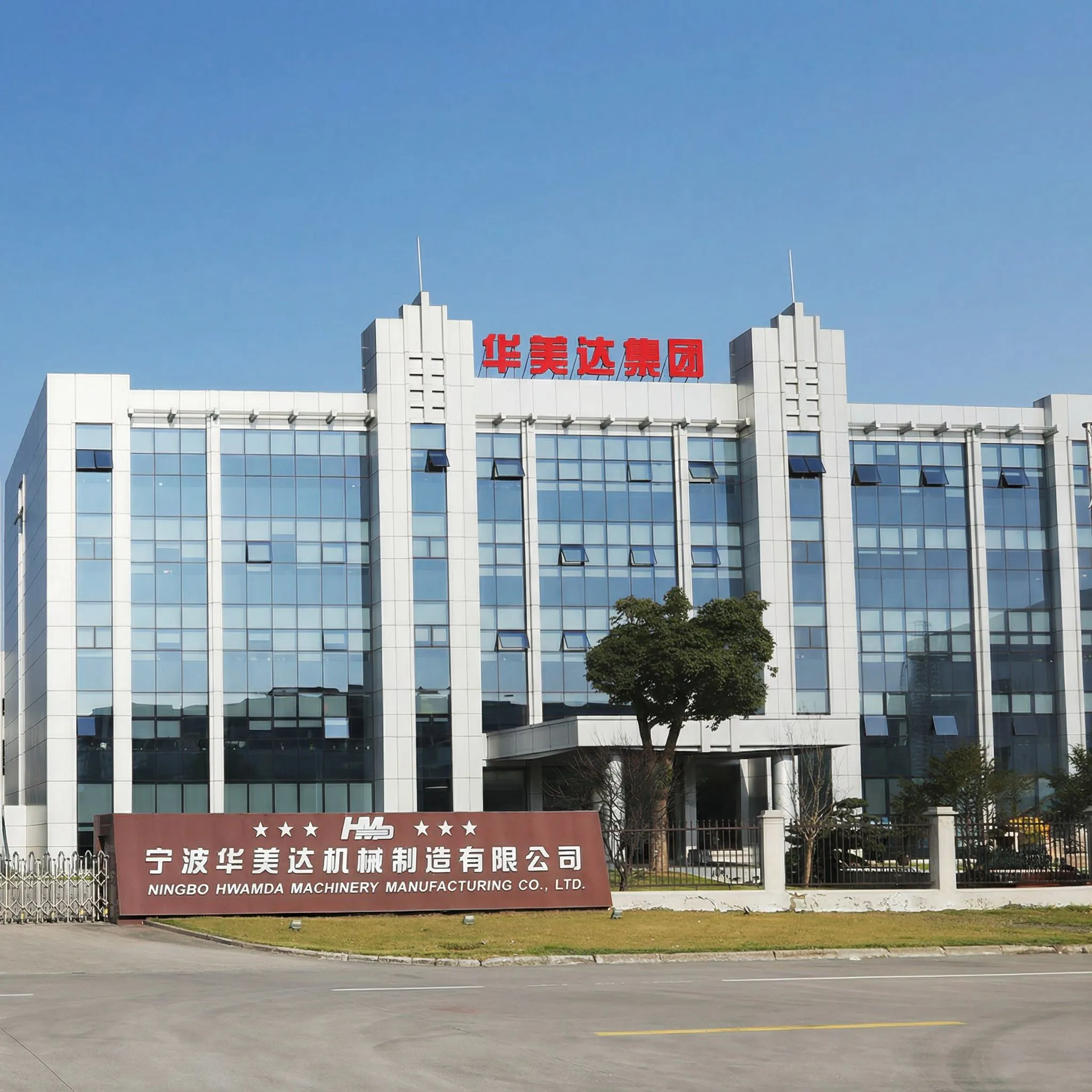
HWAMDA manufacturing facility — 20+ years of expertise
Growth in Food Service & Quick-Service Restaurants
The US food service sector is the world's largest, with over 1 million restaurant locations and a thriving food delivery industry generating massive demand for disposable containers, cups, lids, and tableware items. The ongoing transition from PS foam to PP containers, driven by municipal bans on polystyrene foam packaging in major cities and corporate sustainability commitments from restaurant chains, is creating a significant wave of equipment replacement and new capacity investment across the converter industry. HWAMDA's SPV5-270 to SPV5-280 machines with 16-32 cavity molds produce PP sauce cups and portion cups at 3-4 second cycle times, while SPV5-480 to SPV5-530 machines handle larger food containers at 5-7 seconds. The dairy packaging segment provides additional volume, with yogurt cups, cottage cheese containers, and sour cream tubs produced on SPV5-380 to SPV5-400 machines with 8-16 cavity molds. The US market's enormous scale means even small market share gains for HWAMDA represent significant equipment volumes and revenue.
Import Compliance & Local Certification
US import regulations for injection molding machines are straightforward. Machines enter under HS code 8477.10 with import duties that vary by trade agreement status. HWAMDA provides complete export documentation for US customs clearance. Machines must comply with OSHA safety standards and should carry CE marking, which is widely accepted in the US market as evidence of safety compliance. UL listing is not typically required for injection molding machines but may be requested by some facilities. US food contact material regulations are governed by the FDA under 21 CFR Parts 170-199. Packaging converters must ensure that materials used comply with FDA positive lists and any applicable migration limits. PP resins used in food packaging are generally recognized as safe under FDA regulations when used in accordance with their intended purpose. HWAMDA's equipment is designed to process FDA-compliant PP resins, and the company provides material processing documentation to support customers' regulatory compliance. Additionally, many US food companies require packaging suppliers to maintain SQF, BRCGS, or FSSC 22000 certification, which relates to facility operations rather than equipment specifications.
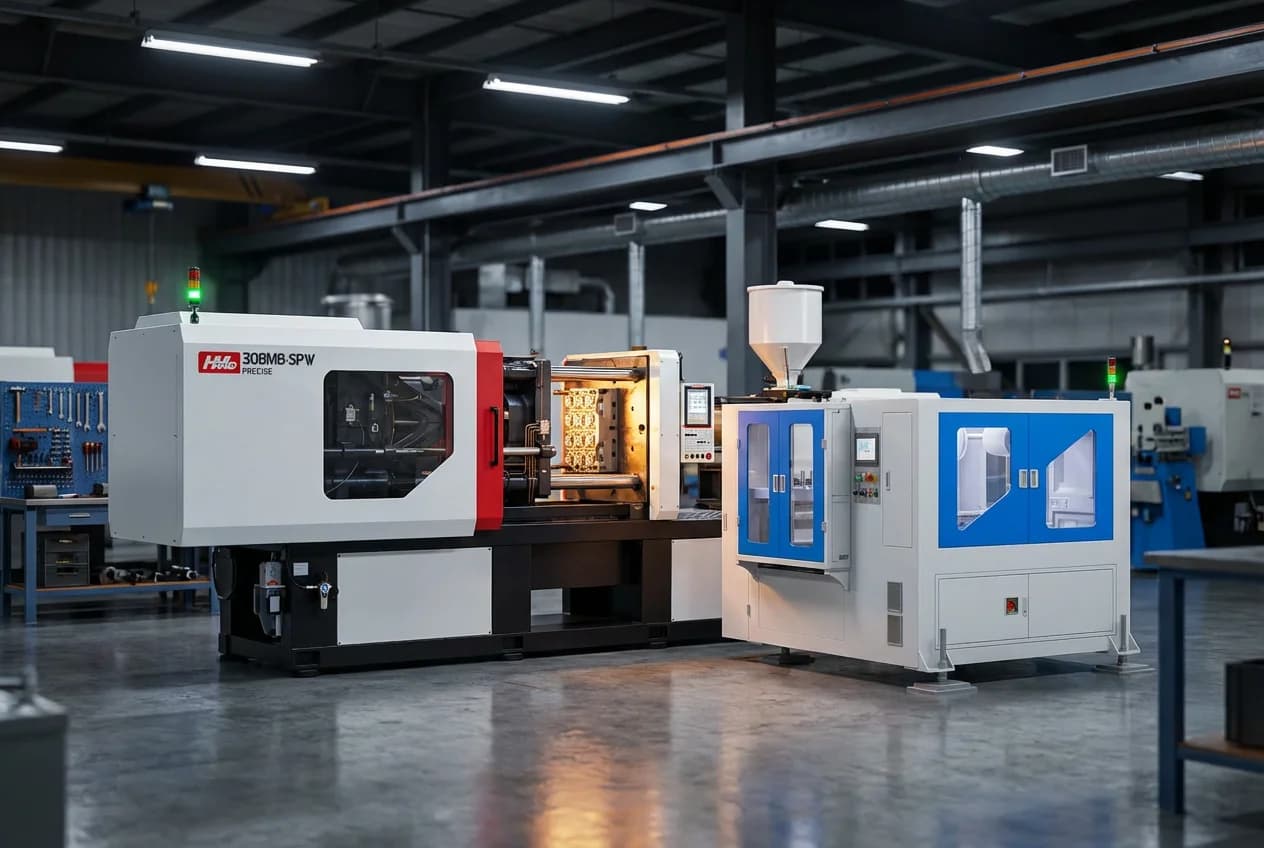
Complete SPV5 production line ready for shipment
Need Expert Advice?
Talk to our engineers about your specific production requirements. Free consultation.
Our Installed Base & Local References
HWAMDA is building its presence in the US market through targeted installations with packaging converters seeking to optimize their capital investment efficiency for production expansion and new capacity additions. US installations to date have focused on food service container and disposable tableware production, where HWAMDA's substantial 3-5x price advantage provides the strongest and most compelling value proposition for cost-conscious American buyers expanding their PP production capacity to serve the PS-to-PP transition. The machines demonstrate consistent production performance meeting demanding US quality expectations, with shot weight repeatability and dimensional consistency comparable to established domestic and European brands operating in the same applications. American buyers typically conduct thorough technical due diligence before purchasing Chinese equipment, and HWAMDA supports this comprehensive evaluation process with organized factory visit programs in Ningbo, reference customer contacts for independent verification, and detailed technical specification documentation. HWAMDA recognizes that building lasting market trust in the US requires consistent execution, responsive support, and ongoing investment in American service infrastructure to meet local expectations.
Cost Analysis vs. European & Japanese Brands
HWAMDA offers US buyers 3-5 times savings on equipment capital costs compared to European and Japanese machines that currently dominate the American market. An HWAMDA SPV5-380 costs approximately USD 50,000-80,000 versus USD 200,000-400,000 for comparable machines from established brands. For larger SPV5-530 machines for food container production, prices range from USD 100,000-150,000 versus USD 350,000-550,000. These savings are compelling even for US companies with access to capital, as the reduced investment improves ROI metrics and frees capital for other production needs. The competitive advantage is particularly relevant for US converters expanding into PP production from PS foam, where the equipment transition requires significant capital investment across multiple production lines. Equipping a new PP production facility with 6-8 HWAMDA machines instead of European equivalents can save USD 1-2 million in capital costs. HWAMDA also offers faster delivery at 8-12 weeks versus 16-24 weeks for some European brands, enabling US companies to respond more quickly to customer demand and market opportunities.
Key Specs
- •An HWAMDA SPV5-380 costs approximately USD 50,000-80,000 versus USD 200,000-400,000 for comparable machines from established brands.
- •For larger SPV5-530 machines for food container production, prices range from USD 100,000-150,000 versus USD 350,000-550,000.
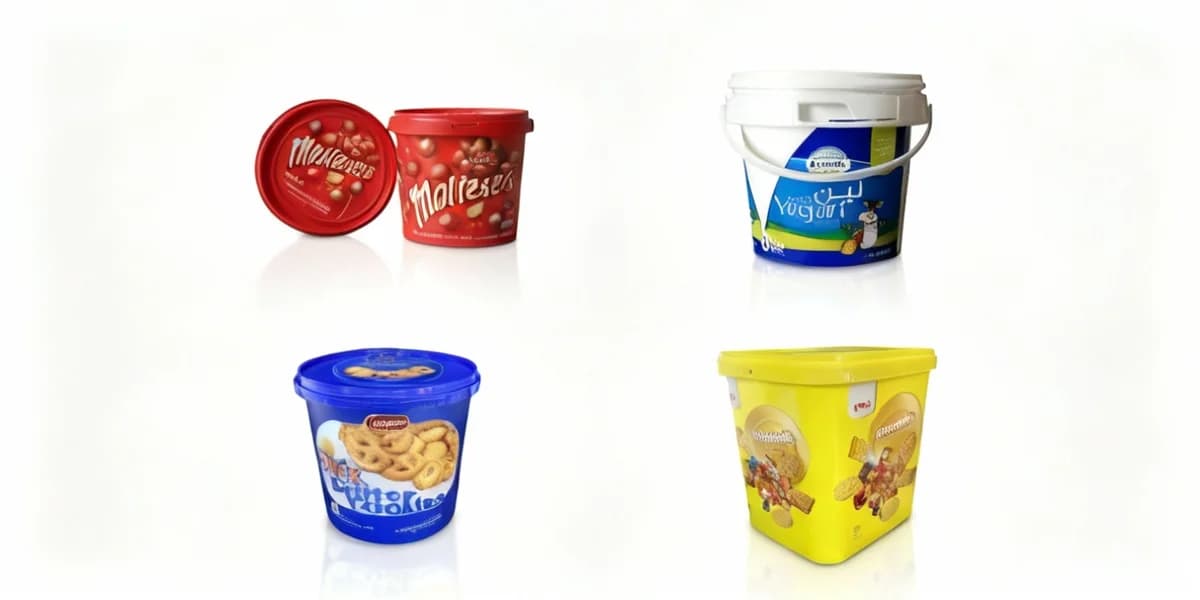
HWAMDA equipment installed at customer facility
Logistics, Setup & Technical Assistance
Shipping from Ningbo to US West Coast ports (Los Angeles or Long Beach) takes approximately 12-18 days via direct trans-Pacific shipping routes, while East Coast ports (New York/New Jersey, Savannah, Charleston) require 25-35 days via trans-Pacific and Panama Canal routing. HWAMDA manages all export logistics and provides documentation for US Customs and Border Protection clearance procedures. US customs processing for industrial machinery is generally efficient, typically completing within 3-5 business days with proper documentation and a licensed customs broker. Installation and commissioning by HWAMDA engineers takes 7-14 days on site including comprehensive operator training. HWAMDA is developing US-based service capabilities to address the American market's expectation of responsive local support. This includes partnerships with established industrial service companies in major manufacturing regions across the Midwest, Southeast, and West Coast, regional spare parts stocking for common maintenance items, and remote diagnostics providing immediate troubleshooting support. HWAMDA's engineering team maintains full availability across time zones to support American production operations during all standard US business hours through remote diagnostic channels.
Frequently Asked Questions
HWAMDA SPV5 machines are designed to process FDA-compliant PP resins meeting 21 CFR requirements for food contact materials and maintain the precise process control needed for consistent material processing within FDA-approved parameters. However, FDA compliance is fundamentally a material and facility responsibility rather than a machine certification issue. Packaging producers must use FDA-compliant resins from qualified suppliers and maintain appropriate facility management certifications such as SQF, BRCGS, or FSSC 22000 as required by their food industry customers. HWAMDA provides material processing documentation to support compliance efforts.
Related Guides
Ready to Start Your Project?
Get a free consultation and quotation for your thin-wall packaging production line.
Join 500+ manufacturers in 60+ countries who trust HWAMDA.
Get Free Quote