

EU Food Contact Materials Regulation (EU 10/2011)
EU Regulation 10/2011 on plastic materials and articles intended for food contact establishes the most comprehensive regulatory framework globally. The regulation contains a positive list (Union List, Annex I) of approximately 900 authorized monomers, additives, and processing aids with specific migration limits (SMLs) for each substance. Key requirements: Overall Migration Limit (OML) of 10 mg/dm2 (or 60 mg/kg food) tested with food simulants A (10% ethanol for aqueous foods), B (3% acetic acid for acidic foods), C (20% ethanol for alcoholic foods), D1 (50% ethanol for dairy), and D2 (vegetable oil or iso-octane for fatty foods). Testing conditions specify time-temperature combinations reflecting actual use: 10 days at 40C for long-term storage, 2 hours at 70C for hot-fill, and 2 hours at 100C for boiling water contact. For PP food packaging, key SMLs include Irganox 1010 (antioxidant): SML 6 mg/kg, Irgafos 168 (stabilizer): SML 0.6 mg/kg, and specific migration of propylene oligomers: no SML but monitored. Compliance documentation: Declaration of Compliance (DoC) required at every stage of the supply chain from resin producer to packaging converter to food packer.
Key Specs
- •Key requirements: Overall Migration Limit (OML) of 10 mg/dm2 (or 60 mg/kg food) tested with food simulants A (10% ethanol for aqueous foods), B (3% acetic acid for acidic foods), C (20% ethanol for alcoholic foods), D1 (50% ethanol for dairy), and D2 (vegetable oil or iso-octane for fatty foods).

High-speed injection unit with linear guides
FDA Regulations for US Market (21 CFR 177)
The US FDA regulates food-contact plastics primarily through 21 CFR Parts 174-179, with indirect food additives (components of packaging) covered under specific sections. PP: 21 CFR 177.1520 (Olefin Polymers), authorizing polypropylene for food contact with extractive limits specified by resin type and food type. PS: 21 CFR 177.1640 (Polystyrene and Rubber-Modified Polystyrene), authorizing GPPS and HIPS with residual styrene monomer limit of 1.0% and specific extractive conditions. PET: 21 CFR 177.1630 (Polyethylene Phthalate Polymers), authorizing PET for food contact including conditions for high-temperature applications. FDA compliance follows a self-determination model: manufacturers assess their own compliance against published regulations without requiring pre-market FDA approval. However, Food Contact Notifications (FCNs) are used for substances not already listed in 21 CFR, with FDA review within 120 days. For recycled materials, FDA issues Letters of No Objection (LNO) for specific recycling processes producing food-grade recycled content. Testing requirements: FDA extraction testing uses specific food simulants (distilled water, 10% ethanol, 50% ethanol, food oil) at conditions reflecting intended use.
Regional Regulations: Middle East, Asia, and Africa
Beyond EU and FDA frameworks, regional regulations govern food packaging in key HWAMDA markets. GCC/Gulf States (Saudi Arabia, UAE, Qatar, Kuwait, Bahrain, Oman): GSO 839 standard for food-contact materials, largely harmonized with EU 10/2011 requirements. SASO certification in Saudi Arabia and ESMA in UAE provide market access. Halal certification may apply for packaging in contact with halal food products. China: GB 9685-2016 (Positive List of Additives), GB 4806.6-2016 (PP and PE food contact), and GB 4806.7-2023 (PS food contact) govern food-contact plastics. Overall migration: 10 mg/dm2, harmonized with EU. India: FSSAI (Food Safety and Standards Authority of India) regulations under IS 9845:1998 (Overall Migration) and IS 10171:1999 (Specific Migration) govern plastic food packaging. BIS certification required. Turkey: harmonized with EU 10/2011 as part of EU customs union alignment. Russia/EAEU: TR CU 005/2011 (Packaging Safety) with specific migration testing per GOST standards. Japan: Food Sanitation Act with JHOSPA voluntary compliance for polyolefins. Brazil: ANVISA Resolution RDC 326/2019, largely harmonized with MERCOSUR Technical Regulation 03/2019.
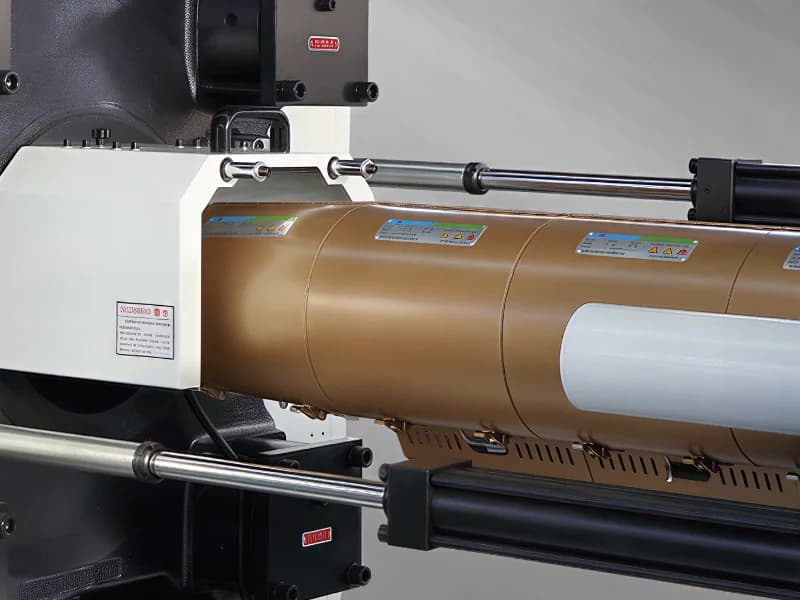
Servo-hydraulic drive system with energy recovery
Need Expert Advice?
Talk to our engineers about your specific production requirements. Free consultation.
Migration Testing Protocols and Laboratories
Migration testing validates that food packaging meets regulatory limits under conditions simulating actual use. Overall migration testing: packaging samples are filled with appropriate food simulant and held at specified time-temperature conditions. The simulant is evaporated and residue weighed; result must not exceed 10 mg/dm2 (EU, China, EAEU) or applicable FDA extractive limits. Specific migration testing: individual substances (monomers, additives, degradation products) are quantified using analytical methods including GC-MS (gas chromatography-mass spectrometry) for volatile migrants, LC-MS/MS (liquid chromatography-tandem mass spectrometry) for non-volatile migrants, and ICP-MS (inductively coupled plasma mass spectrometry) for metal catalysts. Accredited testing laboratories: TUV Rheinland, SGS, Bureau Veritas, Intertek, and Eurofins provide globally recognized food-contact testing. Typical testing costs: EUR 500-2,000 per material/condition combination. Testing timeline: 2-6 weeks depending on test complexity. For production quality control, HWAMDA recommends annual revalidation testing with each resin supplier lot change, and maintaining supplier Declarations of Compliance (DoC) on file.
GMP and Quality Systems for Food Packaging Production
Good Manufacturing Practice (GMP) for food-contact plastic packaging follows EU Regulation 2023/2006 in Europe and FDA cGMP under 21 CFR 174.5 in the US. Key GMP requirements for injection molding operations on SPV5 machines: Quality Management System (QMS) documented per ISO 9001:2015, with specific food safety extensions under ISO 22000:2018 or BRC Packaging Materials Issue 7 for supply to major food brands. Raw material control: incoming PP/PS/PET lots verified against supplier DoC with retained samples for minimum 2 years. Process control: INOVA controller logs all process parameters (temperatures, pressures, speeds, cycle times) for every shot, providing complete traceability. Product contact surfaces: mold surfaces cleaned per documented schedule, food-grade mold release agents only (silicone-based, FDA 21 CFR 175.300 compliant). Environmental control: factory cleanliness program preventing contamination from non-food operations; ideally dedicated production areas for food-contact packaging. Personnel hygiene: operator training on food safety awareness, clean workwear, and contamination prevention. The HWAMDA SPV5 line supports GMP compliance through the INOVA controller's automated batch recording, alarm logging, and parameter deviation flagging.

Toggle clamping unit — high rigidity for thin-wall molding
Certification Roadmap for Multi-Market Compliance
Producers targeting multiple export markets need a systematic certification strategy. Foundation certifications (universal): ISO 9001:2015 (quality management), ISO 22000:2018 (food safety management), and HACCP (Hazard Analysis Critical Control Points). These provide baseline credibility in all markets. EU market access: CE marking on machinery (HWAMDA provides), EU 10/2011 compliance testing for all materials/product combinations, and Declaration of Compliance chain from resin to finished packaging. Minimum testing cost: EUR 3,000-8,000 for initial material portfolio. US market access: FDA 21 CFR compliance self-assessment with documented testing per applicable section. FDA facility registration (no fee). BRC Packaging Materials certification if supplying major retailers (audit cost approximately USD 5,000-10,000). GCC/Middle East: SASO product certification for Saudi Arabia (approximately USD 3,000-5,000), ESMA for UAE, GSO compliance documentation. Halal packaging certification where required. India: BIS certification (approximately USD 2,000-4,000), FSSAI compliance. Russia/EAEU: EAC certification for packaging materials (approximately USD 3,000-6,000). Timeline: achieving multi-market certification typically requires 6-12 months. HWAMDA supports customers by providing machine-related CE documentation, material processing validation data, and recommendations for accredited testing laboratories in each region.
Frequently Asked Questions
PP food packaging must comply with EU Regulation 10/2011 including overall migration testing (limit 10 mg/dm2 with appropriate food simulants) and specific migration limits for additives (e.g., Irganox 1010 SML 6 mg/kg). A Declaration of Compliance (DoC) is required from resin supplier to packaging converter. Testing at accredited labs (TUV, SGS, Eurofins) costs EUR 500-2,000 per material/condition combination. ISO 22000 and BRC Packaging certifications are recommended for major brand supply chains.
Related Guides
Ready to Start Your Project?
Get a free consultation and quotation for your thin-wall packaging production line.
Join 500+ manufacturers in 60+ countries who trust HWAMDA.
Get Free Quote