Cash Payment vs Financing
Cash payment (T/T transfer) offers the simplest transaction structure and often secures 3-5% discount on equipment price. For a $200,000 turnkey production line, this discount represents $6,000-$10,000 savings. Cash payment is optimal when you have sufficient working capital reserves and want maximum pricing advantage. However, tying up $150,000-$350,000 in a single equipment purchase can strain working capital needed for raw materials, operating expenses, and growth investments. Financing preserves cash flow flexibility, allowing you to begin generating revenue from the equipment while spreading payments over time. The key question is whether your projected equipment returns exceed your cost of financing. A thin-wall packaging line generating $80,000+ monthly gross profit easily justifies financing costs of $5,000-$10,000 annually. For most buyers, a hybrid approach works best: cash payment for the deposit and milestone payments, with financing covering the balance.
Key Specs
- •Cash payment (T/T transfer) offers the simplest transaction structure and often secures 3-5% discount on equipment price.
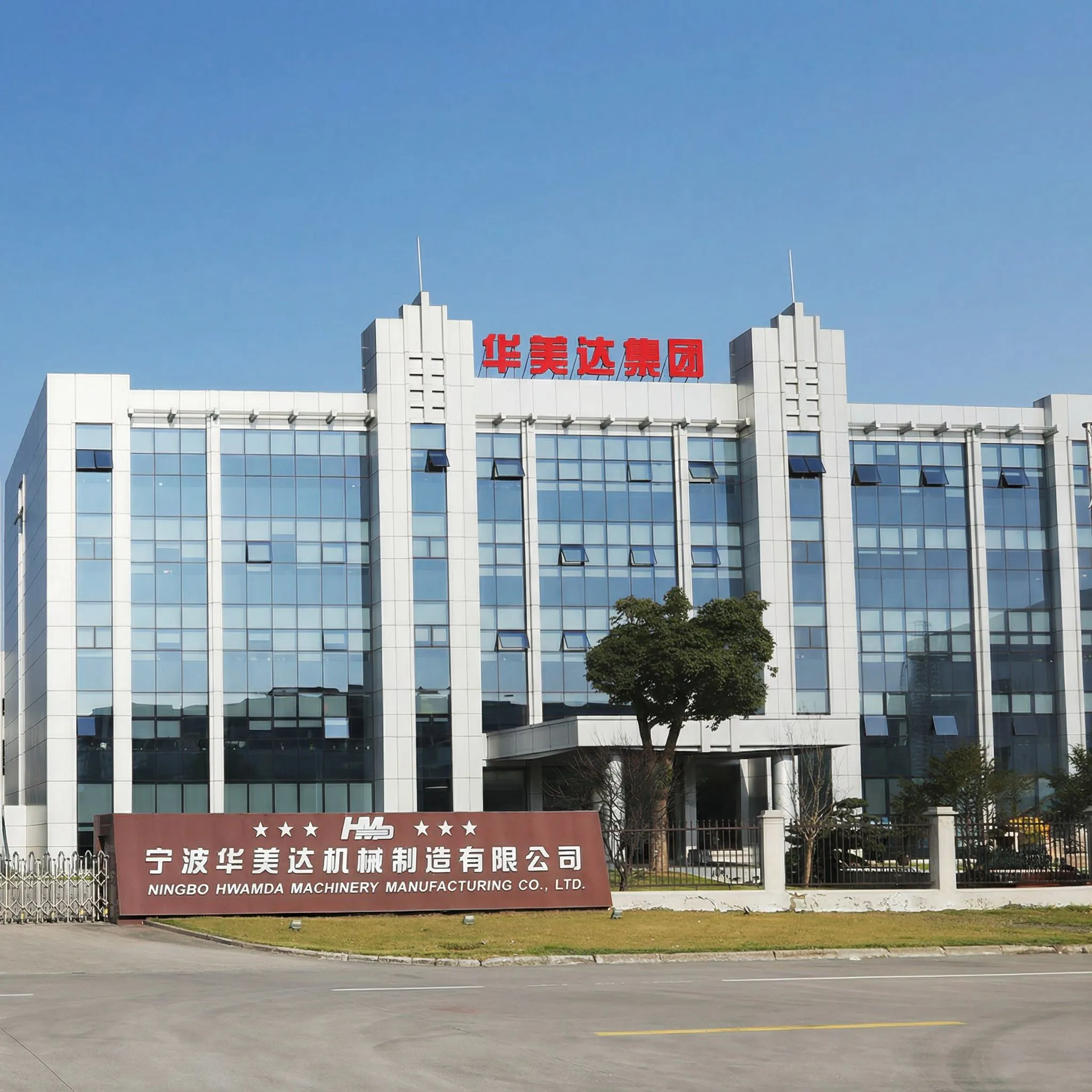
HWAMDA factory — quality manufacturing since 2003
Letter of Credit (LC) Process
Letters of credit are the most common payment method for international machinery purchases, providing security for both buyer and seller. The process begins with the buyer applying for an LC at their local bank, specifying payment terms and documentation requirements. HWAMDA accepts confirmed irrevocable LCs from major international banks. Typical LC structure for equipment: 30% advance payment (T/T) upon contract signing, with the remaining 70% covered by LC payable against shipping documents. The LC specifies required documents including commercial invoice, packing list, bill of lading, insurance certificate, certificate of origin, and pre-shipment inspection report. LC processing adds 2-4 weeks to the payment timeline and incurs bank charges of 1-3% of LC value. For buyers in countries with foreign exchange controls, an LC through an internationally recognized bank demonstrates payment capability. HWAMDA's finance team assists with LC documentation and works with its bank to ensure smooth processing.
Trade Finance and Export Credit
Export credit agencies (ECAs) in China, including SINOSURE and China Eximbank, offer financing programs that can benefit international equipment buyers. These programs provide medium-term credit (2-5 years) at competitive interest rates for Chinese-manufactured capital equipment exports. Eligible purchases typically exceed $100,000 and involve manufacturing equipment. Through ECA-backed financing, buyers can obtain 80-85% equipment financing at interest rates of 3-6% annually, significantly below commercial lending rates in many developing countries. Repayment terms of 2-5 years align well with the equipment payback period. The process requires buyer creditworthiness assessment, sovereign risk evaluation, and equipment end-use verification. Processing time is 2-4 months, so initiate early in your procurement timeline. HWAMDA has experience facilitating ECA-backed transactions and can guide buyers through the application process with the relevant Chinese financial institutions.
Key Specs
- •Through ECA-backed financing, buyers can obtain 80-85% equipment financing at interest rates of 3-6% annually, significantly below commercial lending rates in many developing countries.
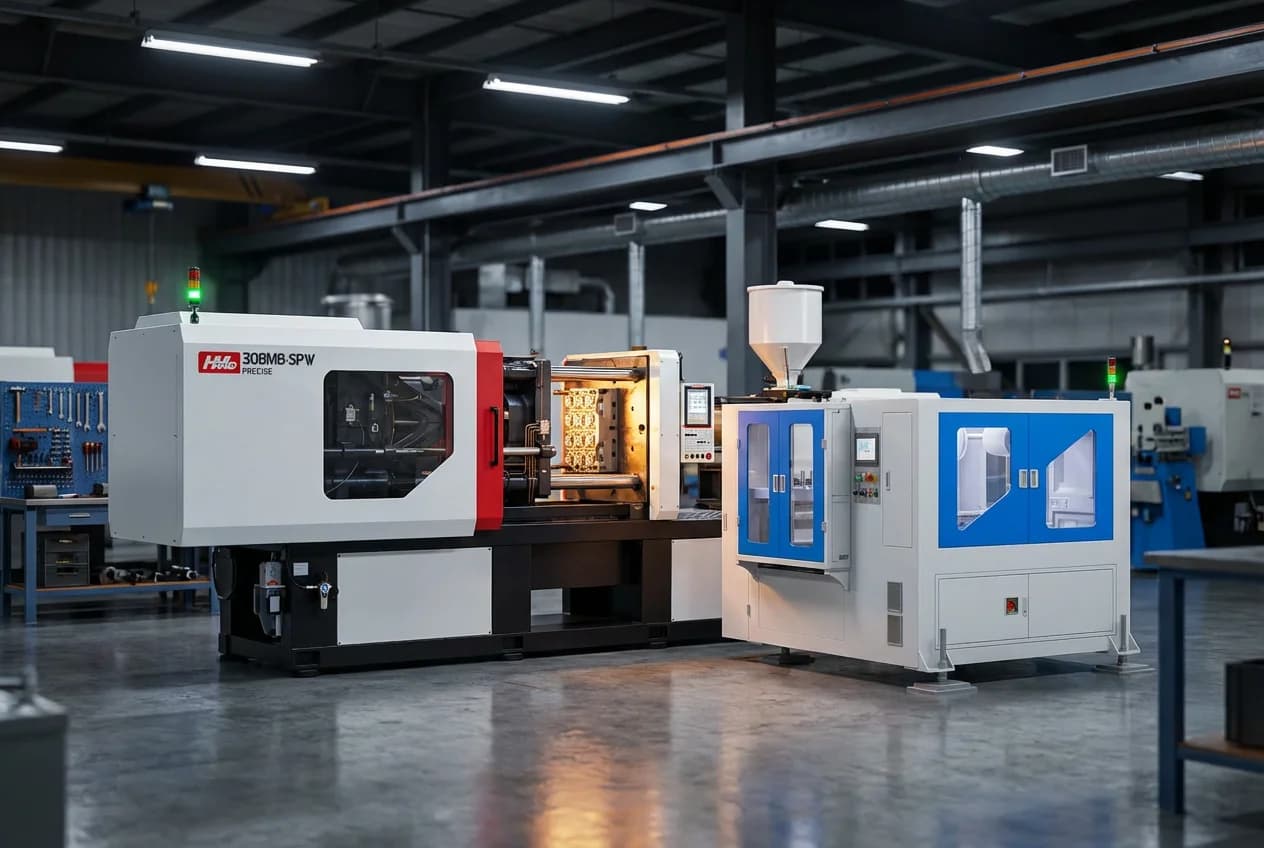
SPV5 machines on the production floor
Need Expert Advice?
Talk to our engineers about your specific production requirements. Free consultation.
Leasing Options
Equipment leasing provides an alternative to purchase financing, particularly attractive for buyers who want to preserve balance sheet flexibility or test thin-wall production before committing to full ownership. Operating leases treat equipment payments as operating expenses rather than capital expenditure, potentially offering tax advantages depending on your jurisdiction. Financial leases function similarly to purchase financing, with the buyer assuming ownership at lease end for a nominal transfer payment. Lease terms for injection molding equipment typically run 3-5 years with monthly payments calculated on the equipment value. Leasing is less common for international equipment purchases than for domestic transactions, but specialized equipment leasing companies in markets like Turkey, Saudi Arabia, and Southeast Asia offer programs for Chinese-manufactured machinery. HWAMDA can connect buyers with leasing partners in their region who have experience financing packaging production equipment.
Government Subsidies and Incentives
Many countries offer incentives for manufacturing investment that can significantly reduce your effective equipment cost. Common programs include: import duty exemptions for capital equipment in special economic zones (SEZs) or industrial zones, investment tax credits allowing 10-30% of equipment cost to offset corporate tax liability, accelerated depreciation enabling full equipment write-off in 3-5 years instead of 10-15 years for tax purposes, and direct grants or subsidized loans for manufacturing investments in priority sectors. Food packaging production qualifies for incentives in numerous countries pursuing food security and import substitution policies. Countries in the Middle East, Africa, and Southeast Asia frequently offer the most generous incentive packages for manufacturing FDI. Research your country's investment promotion agency for current programs. HWAMDA provides pro-forma invoices and technical documentation needed for incentive applications and can share experience from customers who have successfully accessed incentive programs in their respective countries.
Key Specs
- •Common programs include: import duty exemptions for capital equipment in special economic zones (SEZs) or industrial zones, investment tax credits allowing 10-30% of equipment cost to offset corporate tax liability, accelerated depreciation enabling full equipment write-off in 3-5 years instead of 10-15 years for tax purposes, and direct grants or subsidized loans for manufacturing investments in priority sectors.
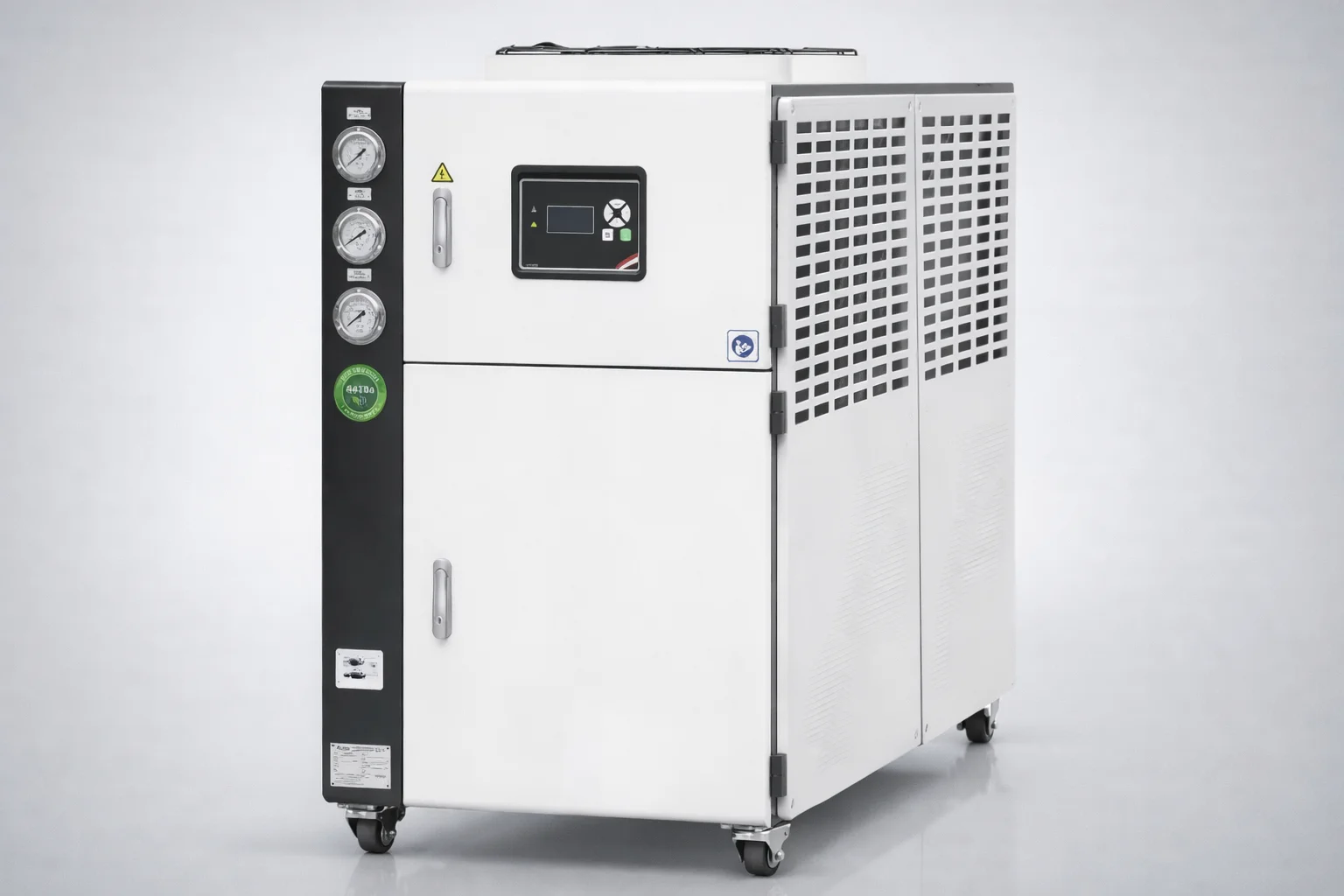
Industrial cooling system for injection molding
Payment Milestone Structure
HWAMDA's standard payment structure balances buyer protection with manufacturing cash flow requirements. The typical milestone schedule is: 30% deposit upon contract signing (triggers manufacturing start), 30% upon completion of factory acceptance testing (buyer inspects machine before shipment), 30% against shipping documents (LC or T/T upon bill of lading issuance), and 10% retention payable 30 days after successful on-site commissioning. This structure ensures you pay the majority only after verifying machine performance and receiving equipment. The 10% retention protects your interests during installation and commissioning. For customers with established relationships or repeat orders, HWAMDA may offer adjusted terms such as reduced deposits or extended retention periods. All payment terms are negotiable within reasonable commercial limits. HWAMDA accepts payments in USD, EUR, and RMB, with exchange rate locked at contract signing to eliminate currency risk for both parties during the manufacturing period.
Frequently Asked Questions
The standard structure is 30% deposit at contract signing, 30% after factory acceptance testing, 30% against shipping documents, and 10% retention payable 30 days after successful commissioning. This protects buyers by linking major payments to verified milestones. Letter of credit (LC) and T/T wire transfer are both accepted. Terms are negotiable for repeat customers or larger orders. HWAMDA accepts USD, EUR, and RMB with exchange rates locked at contract signing.
Related Guides
Ready to Start Your Project?
Get a free consultation and quotation for your thin-wall packaging production line.
Join 500+ manufacturers in 60+ countries who trust HWAMDA.
Get Free Quote