

ISO 9001 Quality Management
ISO 9001:2015 is the foundational quality management system certification that nearly every food packaging buyer requires from their suppliers. The standard mandates documented procedures for all production processes, quality control records, corrective action systems, management review, and continuous improvement. For thin-wall injection molding operations, ISO 9001 requires documented process parameters for each product (injection speed, pressure, temperature, cooling time), incoming material inspection procedures for PP resin (MFI testing, moisture content verification), in-process quality checks (part weight, wall thickness, dimensional measurements at defined intervals), finished product inspection and release criteria, calibration records for all measurement equipment, and traceability from raw material batch to finished product. HWAMDA SPV5 machines support ISO 9001 compliance through automated data logging of all process parameters, shot-by-shot production records, and alarm history that provides the documented evidence auditors require.
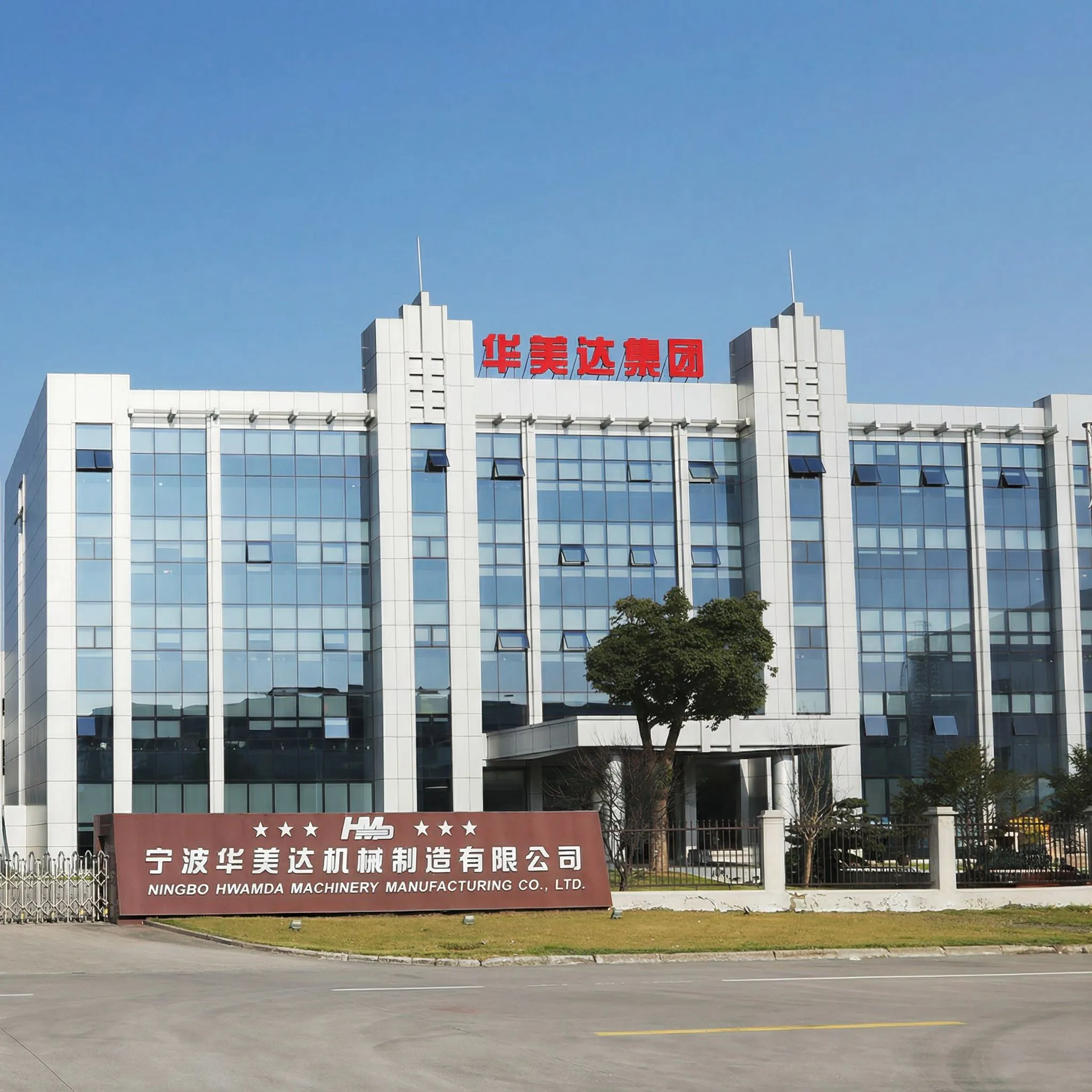
HWAMDA factory — quality manufacturing since 2003
ISO 22000 Food Safety Management
ISO 22000 specifically addresses food safety management, incorporating HACCP (Hazard Analysis Critical Control Points) principles into a comprehensive management system. For food packaging producers, ISO 22000 requires identification and control of food safety hazards including chemical migration from packaging materials, physical contamination (metal, plastic fragments), and microbiological risks in the production environment. Implementation requires establishing critical control points in your production process: incoming PP resin must be food-grade certified, processing temperatures must stay within limits preventing material degradation that could generate harmful compounds, and production areas must maintain cleanroom-appropriate hygiene standards. HWAMDA SPV5 machines feature food-grade hydraulic oil compatibility, fully enclosed processing areas to prevent contamination, and material handling systems designed for hygienic operation. Equipment design supporting ISO 22000 compliance is a standard feature, not an optional upgrade, reflecting HWAMDA's focus on food packaging applications.
BRC Packaging and Packaging Materials
BRC (British Retail Consortium) Global Standard for Packaging and Packaging Materials is a GFSI-benchmarked certification increasingly required by European and multinational food companies. BRC Packaging covers hazard and risk management, quality management systems, factory environment standards, process control, and personnel hygiene. The standard is particularly demanding on factory environmental controls: production areas require controlled air quality, pest management programs, and segregation between raw material storage, production, and finished goods areas. Process control requirements include validation that packaging materials comply with applicable food contact material regulations (EU 10/2011 or FDA 21 CFR 177), statistical process control monitoring, and full batch traceability. HWAMDA SPV5 machines provide the process stability and data logging capabilities needed for BRC compliance. Machine repeatability within +/-0.5% shot weight variation supports the statistical process control requirements, and integrated production data export enables traceability documentation.
Key Specs
- •Machine repeatability within +/-0.5% shot weight variation supports the statistical process control requirements, and integrated production data export enables traceability documentation.
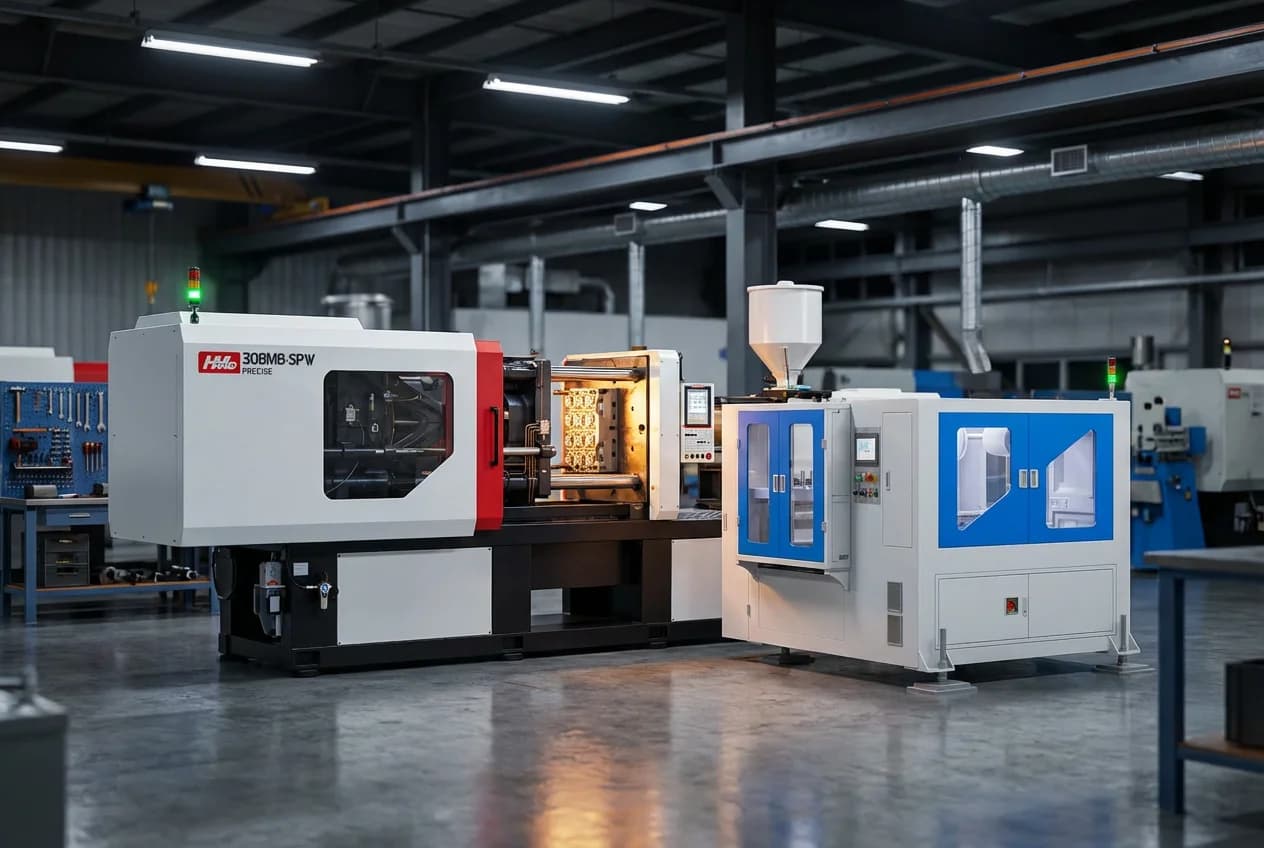
SPV5 machines on the production floor
Need Expert Advice?
Talk to our engineers about your specific production requirements. Free consultation.
FDA Registration Requirements
Facilities producing food-contact packaging for the US market must comply with FDA regulations under 21 CFR 177 (Indirect Food Additives: Polymers). Polypropylene used for food packaging must meet FDA specifications for composition, extractives limits, and end-use conditions. Unlike EU regulations, FDA compliance is largely based on manufacturer self-determination rather than third-party certification. The manufacturer verifies that all resin components (polymer, additives, colorants) are listed in the applicable FDA regulations and conducts or obtains migration testing data demonstrating compliance under intended use conditions. Facility registration with FDA is required under the Bioterrorism Act for all food and food-contact material manufacturing facilities. Registration is free and completed online through the FDA's Unified Registration and Listing System. HWAMDA supports FDA compliance by specifying food-grade PP resins with FDA-compliant formulations and providing material certificates that document resin composition against applicable FDA regulations.
CE Marking for Machinery
CE marking is mandatory for machinery sold or operated within the European Economic Area. For injection molding machines, CE compliance covers the Machinery Directive (2006/42/EC), Low Voltage Directive (2014/35/EU), and Electromagnetic Compatibility Directive (2014/30/EU). HWAMDA SPV5 machines are CE marked as standard, with conformity assessment including risk assessment documentation, safety system verification (guard interlocking, emergency stops, safety circuits), electrical safety testing, and noise emission measurements. The technical file contains detailed documentation demonstrating compliance with all applicable harmonized standards including EN ISO 12100 (safety of machinery), EN 60204-1 (electrical equipment), and injection molding machine-specific standards. For buyers installing equipment in EU countries, CE marked machines satisfy the legal requirement for placing machinery into service. The CE marking also provides assurance of compliance with European safety standards for buyers in non-EU markets who follow European standards as their reference framework.
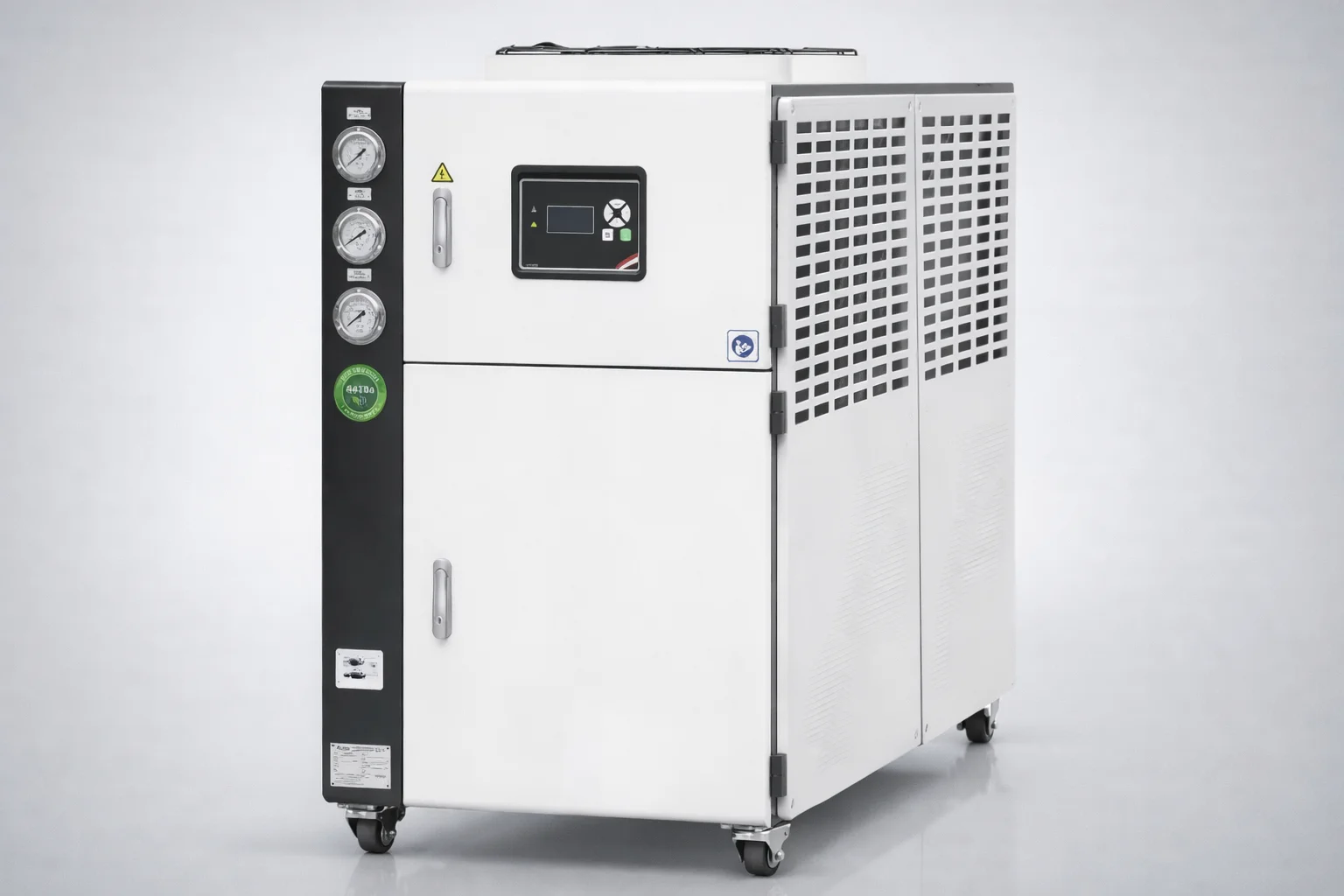
Industrial cooling system for injection molding
How HWAMDA Equipment Helps Certification
HWAMDA designs SPV5 machines and production lines with certification compliance built into the equipment architecture. Process data logging captures every cycle's parameters (injection speed, pressure, temperature, cooling time, shot weight) and stores them for quality system documentation and traceability. The closed-loop hydraulic system ensures consistent process conditions that satisfy statistical process control requirements. Food-grade material path design prevents contamination from hydraulic oil or lubricants contacting the product or production area. Fully enclosed guarding with safety interlocks meets CE machinery safety requirements without modification. HWAMDA provides comprehensive machine documentation packages including Declaration of Conformity, technical file summaries, electrical schematics, and material certificates that certification auditors require. For customers pursuing BRC or ISO 22000 certification, HWAMDA's engineering team can provide guidance on factory layout, environmental controls, and equipment installation practices that support successful audit outcomes.
Frequently Asked Questions
Start with ISO 9001:2015 as it establishes the quality management foundation all other certifications build upon. Most food packaging buyers require ISO 9001 at minimum. Once operational, pursue ISO 22000 if targeting dairy and food brands, or BRC Packaging if serving European retail customers. FDA compliance is essential for US market access. The certification journey typically takes 6-12 months from initial implementation to audit, so begin early in your factory startup timeline.
Related Guides
Ready to Start Your Project?
Get a free consultation and quotation for your thin-wall packaging production line.
Join 500+ manufacturers in 60+ countries who trust HWAMDA.
Get Free Quote