

HS Code Classification for Injection Molding Equipment
Correct HS code classification determines duty rates, eligibility for trade agreement concessions, and import permit requirements. HWAMDA SPV5 injection molding machines are classified under HS 8477.10.00 -- injection molding machines for working rubber or plastics. Ancillary equipment shipped separately requires individual classification: molds fall under HS 8480.71 (injection or compression type molds for rubber or plastics), robots under HS 8479.50 (industrial robots, not elsewhere specified) or HS 8428.90, hot runner controllers under HS 9032.89 (automatic regulating or controlling instruments), and temperature controllers under HS 9032.10. Misclassification risks: declaring a complete injection molding machine as parts (HS 8477.90) to obtain a lower duty rate constitutes customs fraud and triggers penalties of 2-5 times the duty saved plus potential criminal prosecution. Conversely, classifying a stand-alone robot under the injection molding machine heading may attract a higher duty than necessary. HWAMDA provides detailed packing lists with recommended HS codes for each component, which the customer's customs broker can verify against the destination country's tariff schedule. For CKD (completely knocked down) shipments, some countries apply the assembled product duty rate to prevent tariff circumvention.
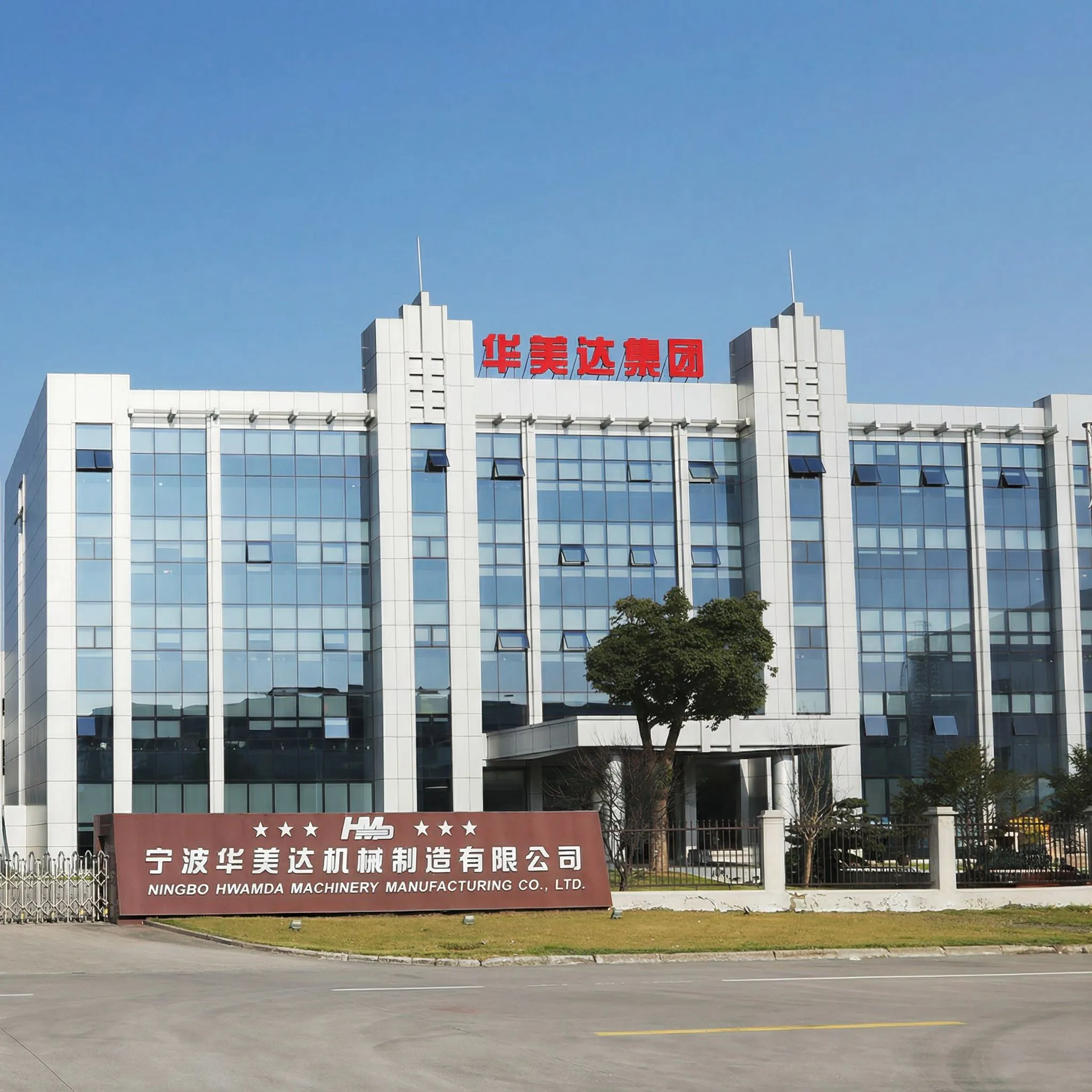
HWAMDA factory — quality manufacturing since 2003
Duty Rates by Major Import Market
Duty rates for HS 8477.10 vary significantly across HWAMDA's primary export markets. Middle East (GCC countries: Saudi Arabia, UAE, Oman, Bahrain, Kuwait, Qatar): 5 percent customs duty under the Common External Tariff, with potential exemption for industrial machinery imports under investment incentive programs. Turkey: 0 percent duty under the Customs Union with the EU for goods in free circulation, but Chinese-origin machines attract 2-4 percent MFN rate. India: 7.5 percent basic customs duty plus 10 percent IGST (Integrated GST) = effective rate of approximately 18-20 percent on CIF value, though capital goods imported under EPCG (Export Promotion Capital Goods) scheme may attract zero duty with an export obligation. Southeast Asia (ASEAN members: Vietnam, Indonesia, Thailand, Philippines): 0-5 percent under ASEAN-China Free Trade Agreement (ACFTA), requiring a Certificate of Origin Form E from China. Africa (Nigeria, Kenya, South Africa): 5-10 percent duty with exemptions available under industrial development programs. Russia/CIS: 0 percent for HS 8477.10 under the Eurasian Economic Union tariff. Latin America (Mexico, Brazil, Colombia): 5-15 percent, with Mexico applying 0 percent under certain IMMEX/maquiladora programs.
Required Documentation for Customs Clearance
Complete and accurate documentation prevents customs delays that cost USD 200-500 per day in port storage and demurrage fees. The standard document package for HWAMDA SPV5 machine imports includes: Commercial Invoice (3 originals) stating FOB/CIF value, itemized by component with individual weights and HS codes. Packing List detailing each crate's dimensions (LxWxH in cm), gross and net weight (kg), and contents. Bill of Lading (original set of 3/3) or Sea Waybill for ocean shipments, Air Waybill for air freight. Certificate of Origin (CO): for ACFTA preferential duty, Form E issued by China Council for the Promotion of International Trade (CCPIT); for standard MFN rates, a standard CO suffices. Insurance Certificate covering CIF+10 percent of invoice value. Technical specification sheets for each machine (required by customs in India, Turkey, and some Middle Eastern countries for classification verification). CE marking documentation if required by the destination (Turkey, some African markets adopting EU standards). Pre-shipment inspection certificate (PVOC for Kenya, SONCAP for Nigeria, SASO for Saudi Arabia). HWAMDA's export department prepares all documentation and coordinates with the buyer's freight forwarder to ensure seamless customs processing.
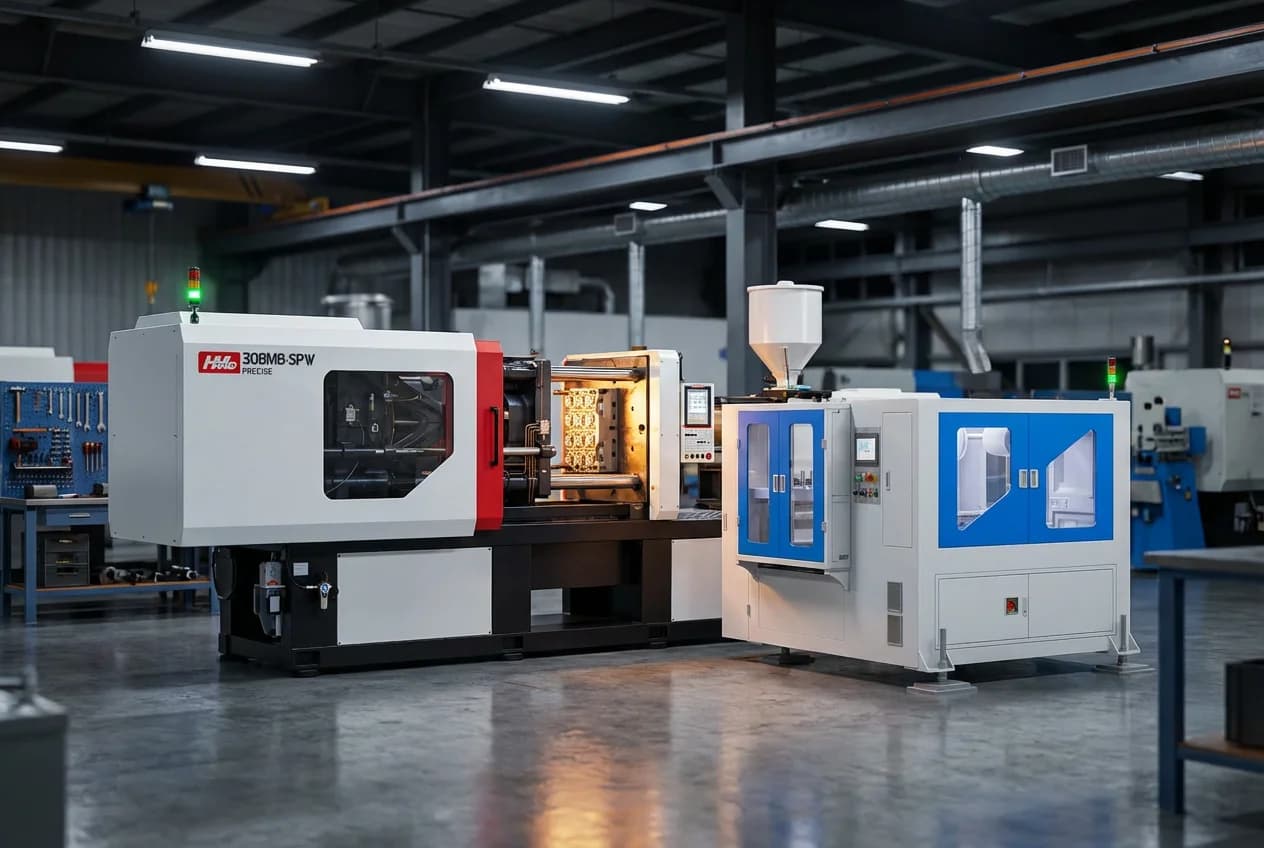
SPV5 machines on the production floor
Need Expert Advice?
Talk to our engineers about your specific production requirements. Free consultation.
Shipping Logistics and Cost Estimation
HWAMDA SPV5 machines ship from Ningbo Port (China's second-largest container port) with transit times and freight costs that depend on the destination. Machine dimensions and weights for shipping: HMD 270M8-SPV is approximately 5.2m x 1.4m x 2.0m at 7,500 kg, fitting in a standard 40-foot container. HMD 380M8-SPV at 5.8m x 1.6m x 2.1m and 9,200 kg also fits a 40-foot container but requires proper blocking and bracing due to the weight distribution. HMD 600M8-SPV at 7.2m x 1.9m x 2.3m and 16,500 kg requires a 40-foot high-cube container or flat rack for oversized dimensions. Ocean freight rates (2025-2026): Ningbo to Jebel Ali (UAE) approximately USD 2,500-4,000 per 40-foot container, transit time 18-22 days. Ningbo to Mumbai approximately USD 2,000-3,500, transit 12-16 days. Ningbo to Ho Chi Minh City approximately USD 800-1,500, transit 5-8 days. Ningbo to Istanbul approximately USD 3,500-5,500, transit 25-32 days. Ningbo to Lagos approximately USD 4,000-7,000, transit 35-42 days. Total landed cost calculation: FOB machine price + ocean freight + insurance (0.3-0.5 percent of CIF) + customs duty (percentage of CIF) + local handling (USD 500-1,500) + inland transport to factory.
Trade Agreement Benefits and Certificate of Origin Requirements
Leveraging free trade agreements can reduce or eliminate import duties on HWAMDA SPV5 machines. The ASEAN-China Free Trade Agreement (ACFTA) provides zero or reduced duty for HS 8477.10 in all ASEAN member states, requiring a Certificate of Origin Form E issued by the CCPIT in China. The Form E must be issued before or at the time of shipment, listing the specific HS code, FOB value, and a declaration that the goods qualify under the ACFTA rules of origin (minimum 40 percent Regional Value Content for China-origin goods). The Asia-Pacific Trade Agreement (APTA) provides reduced duty for imports into India, South Korea, Bangladesh, Sri Lanka, and Laos -- duty reductions of 20-35 percent off the MFN rate are available for qualifying machinery. The Regional Comprehensive Economic Partnership (RCEP), effective since 2022, provides tariff concessions across 15 Asia-Pacific countries including Japan, South Korea, Australia, and New Zealand in addition to ASEAN members. HWAMDA's export team assists with all Certificate of Origin applications and can advise on the most advantageous trade agreement for each destination. Processing time for CO Form E is typically 3-5 business days, so buyers should plan documentation timelines accordingly.
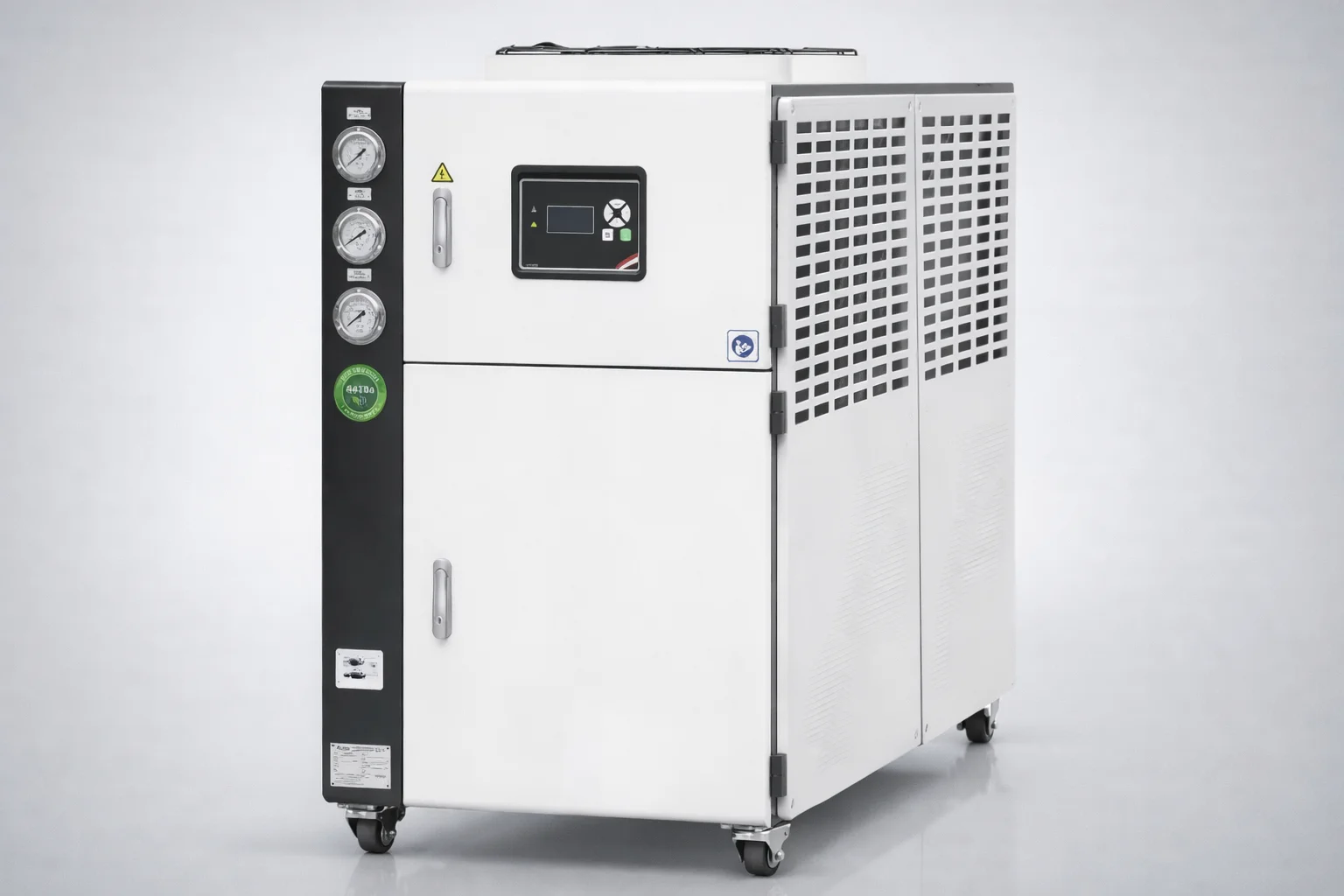
Industrial cooling system for injection molding
Pre-Shipment Inspection and Destination Country Requirements
Several countries require mandatory pre-shipment inspection (PSI) or conformity assessment before allowing import of industrial machinery. Saudi Arabia: SASO (Saudi Standards, Metrology and Quality Organization) requires a Certificate of Conformity (CoC) under the SALEEM program. The inspection covers electrical safety (IEC standards), machinery safety (ISO 12100), and label/marking verification. Cost: USD 1,500-3,000 per shipment, timeline 5-10 business days at the factory. Nigeria: SONCAP (Standards Organisation of Nigeria Conformity Assessment Programme) requires a Product Certificate issued after factory inspection by an authorized assessment body (SGS, Bureau Veritas, Intertek). Cost: USD 2,000-4,000. Kenya: PVOC (Pre-Export Verification of Conformity) program administered by KEBS requires inspection at origin. Turkey: TSE (Turkish Standards Institution) marking may be required for certain machinery categories. India: Bureau of Indian Standards (BIS) certification is not currently required for injection molding machines but is mandatory for electrical components above specified ratings. HWAMDA maintains ongoing relationships with all major inspection bodies and schedules PSI visits to coordinate with the customer's shipping timeline, avoiding delays that can add 2-4 weeks to the delivery schedule.
Frequently Asked Questions
HWAMDA SPV5 injection molding machines are classified under HS 8477.10.00 (injection molding machines for rubber or plastics). Molds ship under HS 8480.71, robots under HS 8479.50 or 8428.90, and controllers under HS 9032.89. HWAMDA provides itemized packing lists with recommended HS codes. Always verify with your customs broker against the destination country's tariff schedule, as national sub-headings may differ.
Related Guides
Ready to Start Your Project?
Get a free consultation and quotation for your thin-wall packaging production line.
Join 500+ manufacturers in 60+ countries who trust HWAMDA.
Get Free Quote