What's Included in a Turnkey Package
A turnkey production line encompasses every component needed to produce finished packaging from raw material input to stacked output. HWAMDA turnkey packages include the SPV5 injection molding machine, multi-cavity thin-wall mold, hot runner system, robotic takeout system, conveyor and stacking equipment, material drying and feeding system, mold temperature controller, chiller, and centralized control panel. For IML applications like margarine containers, the package adds SWITEK side-entry IML robots, label magazine, and static charge systems. Beyond hardware, turnkey includes factory layout engineering, utility specifications, installation supervision, commissioning, process parameter optimization, and operator training. HWAMDA provides a single performance guarantee covering cycle time, output per hour, part quality standards, and OEE targets. The customer receives one invoice, one warranty, and one contact for all technical support.
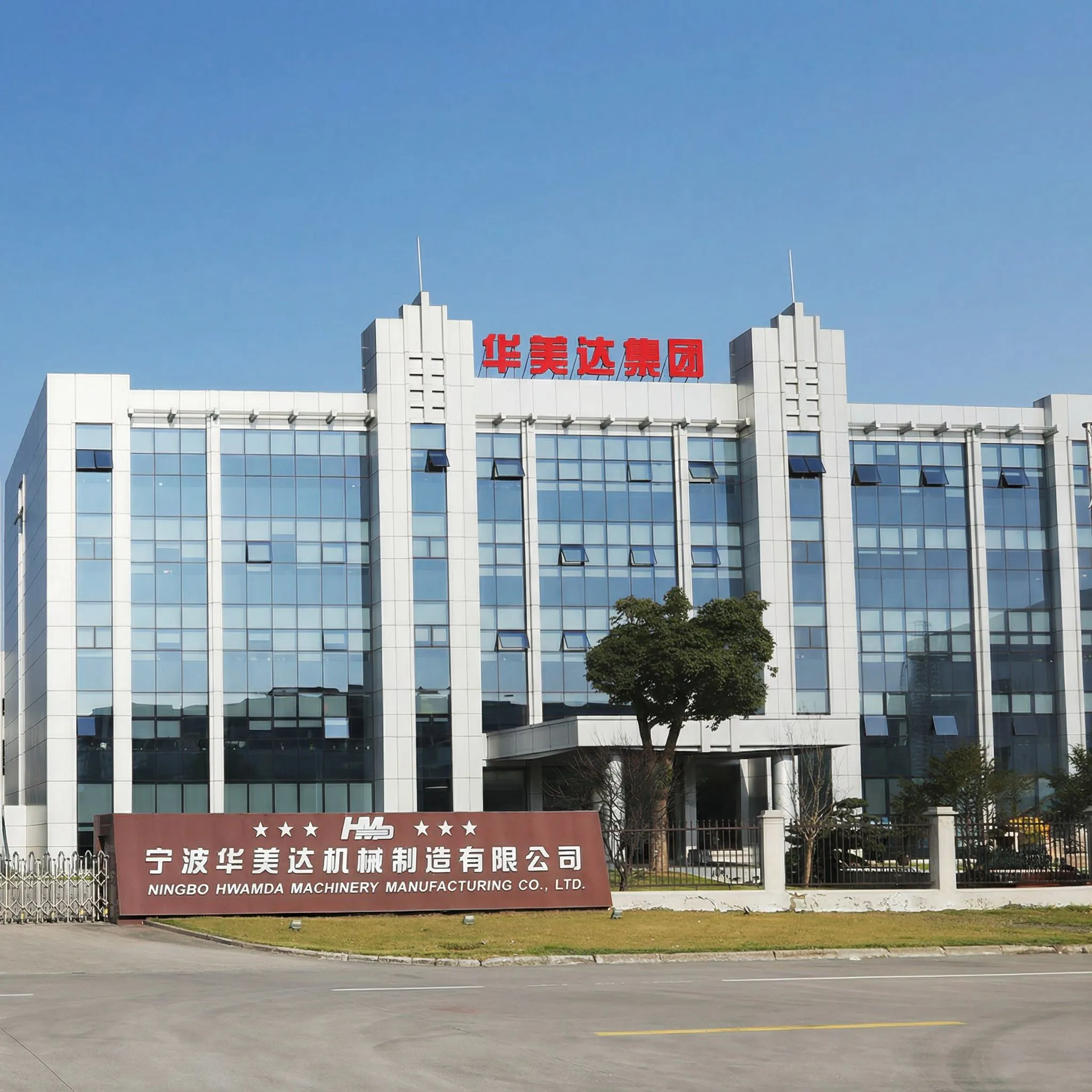
HWAMDA factory — quality manufacturing since 2003
Pros and Cons of Turnkey Solutions
The primary advantage of turnkey is eliminated integration risk. When machine, mold, robot, and auxiliaries are designed as a system, compatibility is guaranteed. The SPV5 machine interface communicates seamlessly with HWAMDA mold cooling circuits and robotic takeout timing because they are engineered together. Turnkey shortens time-to-production by 2-4 months since all components arrive coordinated, and a single commissioning team optimizes the entire system. Performance guarantees on cycle time and output provide commercial certainty for your business plan. The main disadvantage is reduced flexibility in component selection. You cannot mix a preferred European hot runner with a Chinese machine in a turnkey package. Pricing may appear higher than individually sourced components, though this often ignores hidden costs of integration engineering, trial-and-error commissioning, and finger-pointing between suppliers when problems arise. For first-time buyers, turnkey significantly reduces technical risk.
When to Buy Components Separately
Component-by-component purchasing makes sense when you have experienced in-house engineering capable of system integration, existing relationships with preferred suppliers, or specific requirements no single turnkey provider can meet. Large packaging converters with established injection molding operations often have mold maintenance expertise and preferred hot runner suppliers, making separate procurement logical. If you already operate HWAMDA SPV5 machines and need only a new mold for a different product, purchasing the mold separately is straightforward. Companies upgrading from manual to automated takeout may purchase only the robotic system to retrofit their existing line. However, for thin-wall applications requiring sub-5-second cycle times, the interdependence between machine response, mold cooling, and robot timing is so tight that separate procurement carries meaningful risk of suboptimal performance.
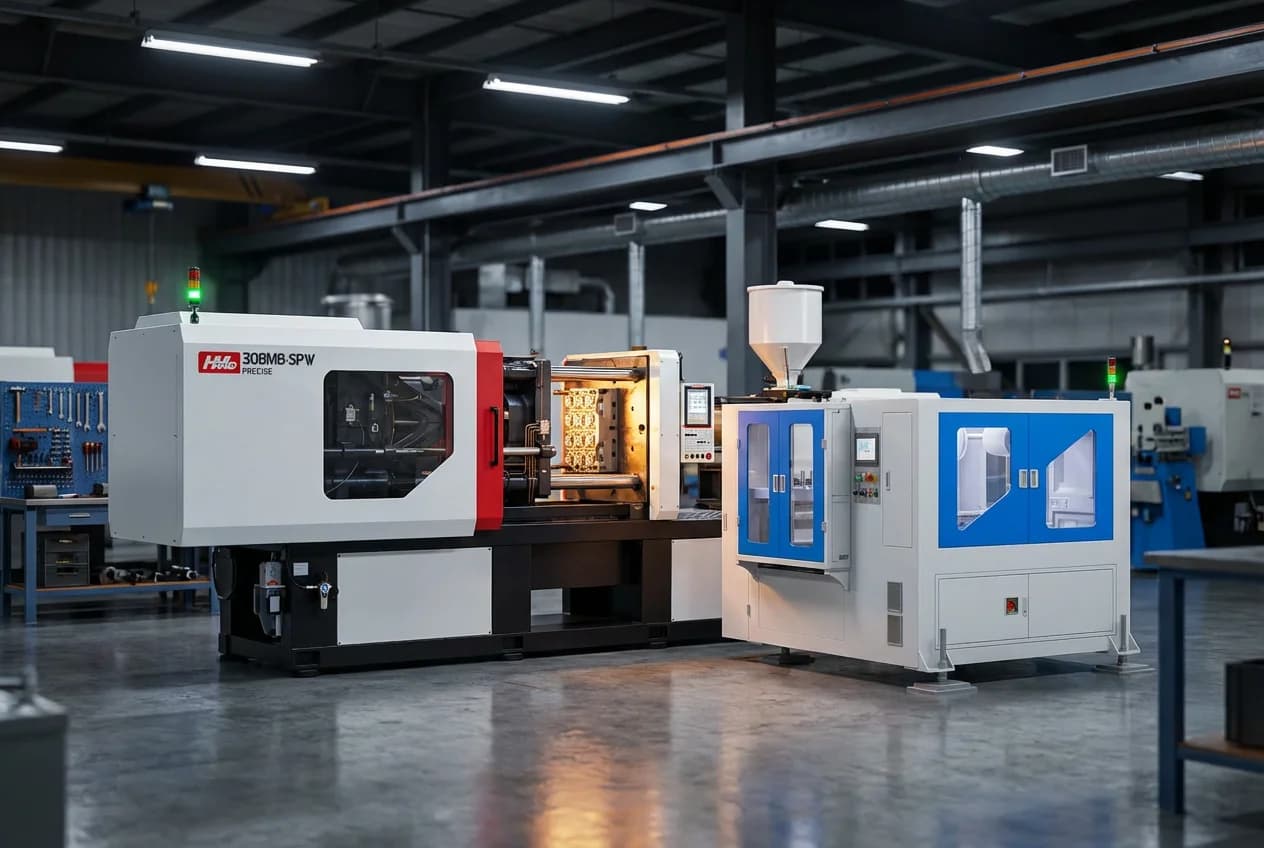
SPV5 machines on the production floor
Need Expert Advice?
Talk to our engineers about your specific production requirements. Free consultation.
Integration Challenges and Risks
The biggest risk when sourcing separately is integration failure, where individually capable components underperform as a system. Common challenges include mold-to-machine mismatch where cooling requirements exceed machine hydraulic core pull capacity, robot timing conflicts where takeout speed cannot match mold open time, and hot runner controller communication incompatibility with the machine PLC. When problems arise, each supplier points to the other's equipment as the cause. Resolving disputes consumes weeks of engineering time and trial-and-error. For thin-wall production where 0.5-second cycle time differences significantly impact unit economics, suboptimal integration reduces output by 10-15%. Temperature management is another challenge: chiller capacity must match both machine hydraulic cooling and mold cooling precisely, and an undersized chiller causes cycle time drift and quality inconsistency throughout production runs.
Cost Comparison Analysis
A direct comparison for a 12-cavity yogurt cup line illustrates the economics. Separately sourced: machine ($85,000) + mold ($55,000) + hot runner ($18,000) + robot ($25,000) + auxiliaries ($15,000) + integration engineering ($10,000) + multi-supplier commissioning ($8,000) = approximately $216,000. HWAMDA turnkey: approximately $195,000-$215,000 including all components plus installation supervision, commissioning, training, and single-source warranty. Apparent cost is similar, but turnkey includes integration engineering and guaranteed cycle time that separate procurement does not. Hidden costs in separate purchasing include travel for multiple supplier representatives during commissioning, lost production during extended integration troubleshooting (typically 2-4 extra weeks), and ongoing coordination for warranty claims involving multiple parties. Over 5 years, turnkey typically delivers 5-15% lower total cost of ownership.
Key Specs
- •Over 5 years, turnkey typically delivers 5-15% lower total cost of ownership.
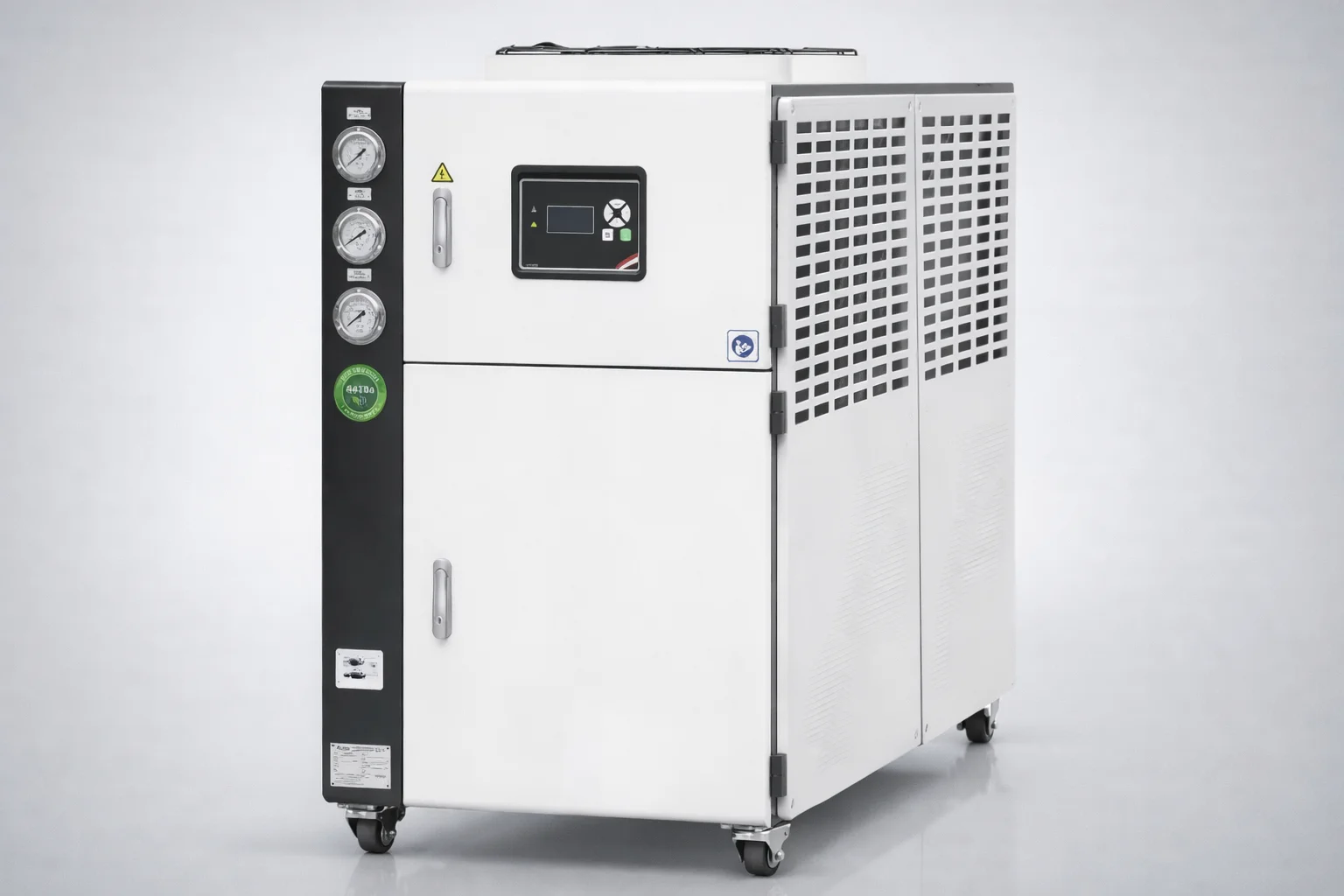
Industrial cooling system for injection molding
HWAMDA Turnkey Service Overview
HWAMDA turnkey covers seven product categories: yogurt cups (SPV5 380-400T, 8/12/16 cavity, 3.5-4.5s cycle), food containers (SPV5 480-530T, 4/6/8 cavity, 5-7s), sauce cups (SPV5 270-280T, 16/24/32 cavity, 3-4s), milk tea cups (SPV5 450T, 8/12 cavity, 5-7s), yogurt pails (SPV5 600T, 2/4 cavity, 10-14s), margarine IML containers (SPV5 380T, 4/6/8 cavity, 5-7s with SWITEK robots), and disposable tableware (SPV5 270-280T, 16/24/32/48 cavity, 4-6s). The process follows a structured timeline: requirements consultation (week 1-2), proposal (week 3-4), design finalization (week 5-6), manufacturing (week 7-18), factory acceptance (week 19), shipping (week 20-24), installation and training (week 25-27). A dedicated project manager coordinates from order to final handover.
Frequently Asked Questions
Direct component costs are often similar, but turnkey eliminates hidden costs including integration engineering ($5,000-$15,000), extended commissioning (2-4 extra weeks of lost production), and multi-supplier coordination overhead. HWAMDA turnkey packages include installation supervision, commissioning, training, and single-source warranty at no additional charge. Over a 5-year ownership period, turnkey typically delivers 5-15% lower total cost of ownership compared to separately sourced components.
Related Guides
Ready to Start Your Project?
Get a free consultation and quotation for your thin-wall packaging production line.
Join 500+ manufacturers in 60+ countries who trust HWAMDA.
Get Free Quote