

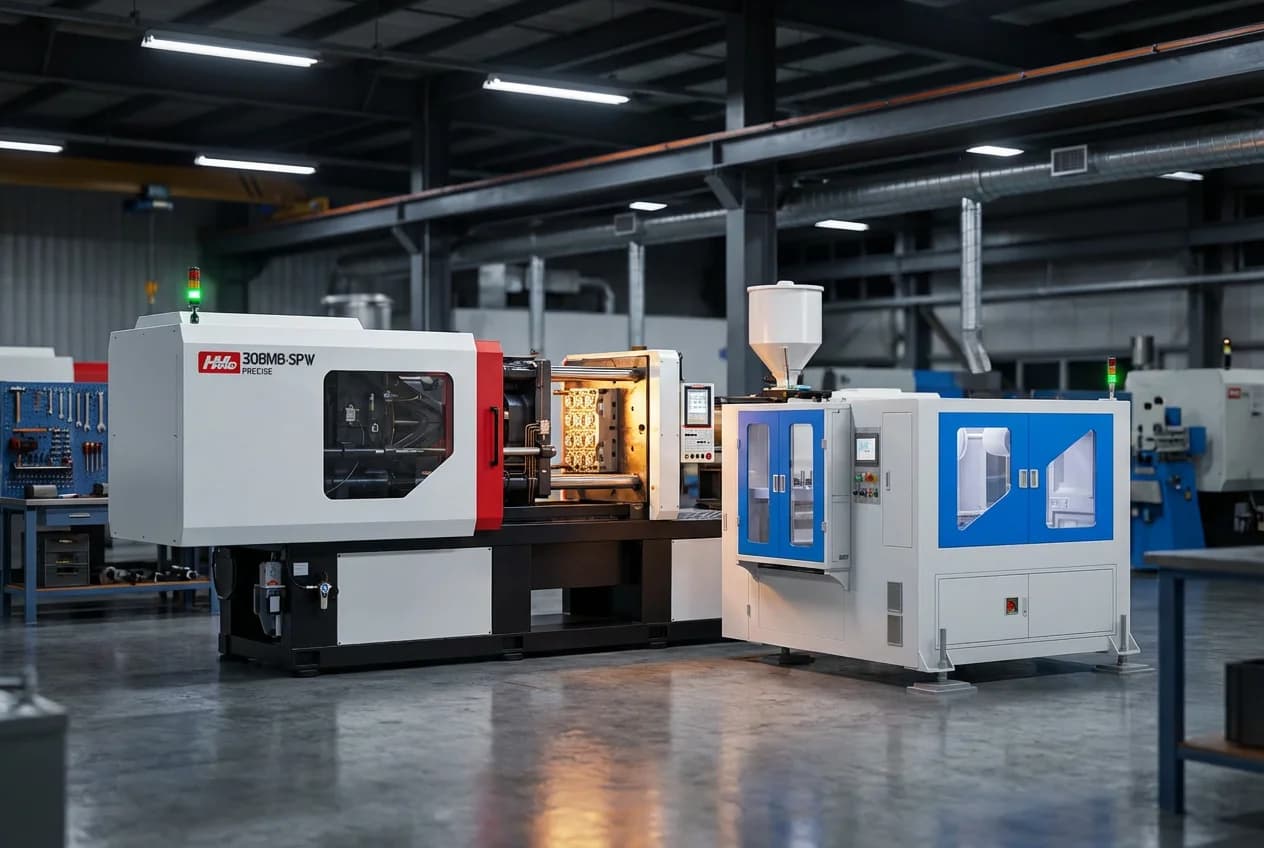
Jordan Food Packaging Market Overview
Jordan's food packaging market is valued at approximately USD 800 million-1.1 billion, with dairy packaging as a cornerstone segment. Despite its relatively small population, Jordan punches above its weight in dairy consumption due to deep cultural traditions of yogurt and laban consumption. Major dairy processors include Al-Juneidi Dairy (market leader), Nabil Foods, Al-Arz Dairy, Hamoudeh Food Industries, Candia Jordan (Lactalis), and Al-Safa Dairy. These companies serve not only the domestic market but also export to Iraq, Saudi Arabia, UAE, and Palestinian territories. Jordan's Qualified Industrial Zones (QIZs) and free zones offer tax incentives for export-oriented manufacturing. The plastics sector includes approximately 300 enterprises concentrated in Amman, Zarqa, and Irbid industrial zones. PP resin is imported through Aqaba port at approximately $1,100-1,350/MT. Jordan's strategic location between Iraq, Saudi Arabia, and the Levant positions it as a potential regional packaging manufacturing hub.
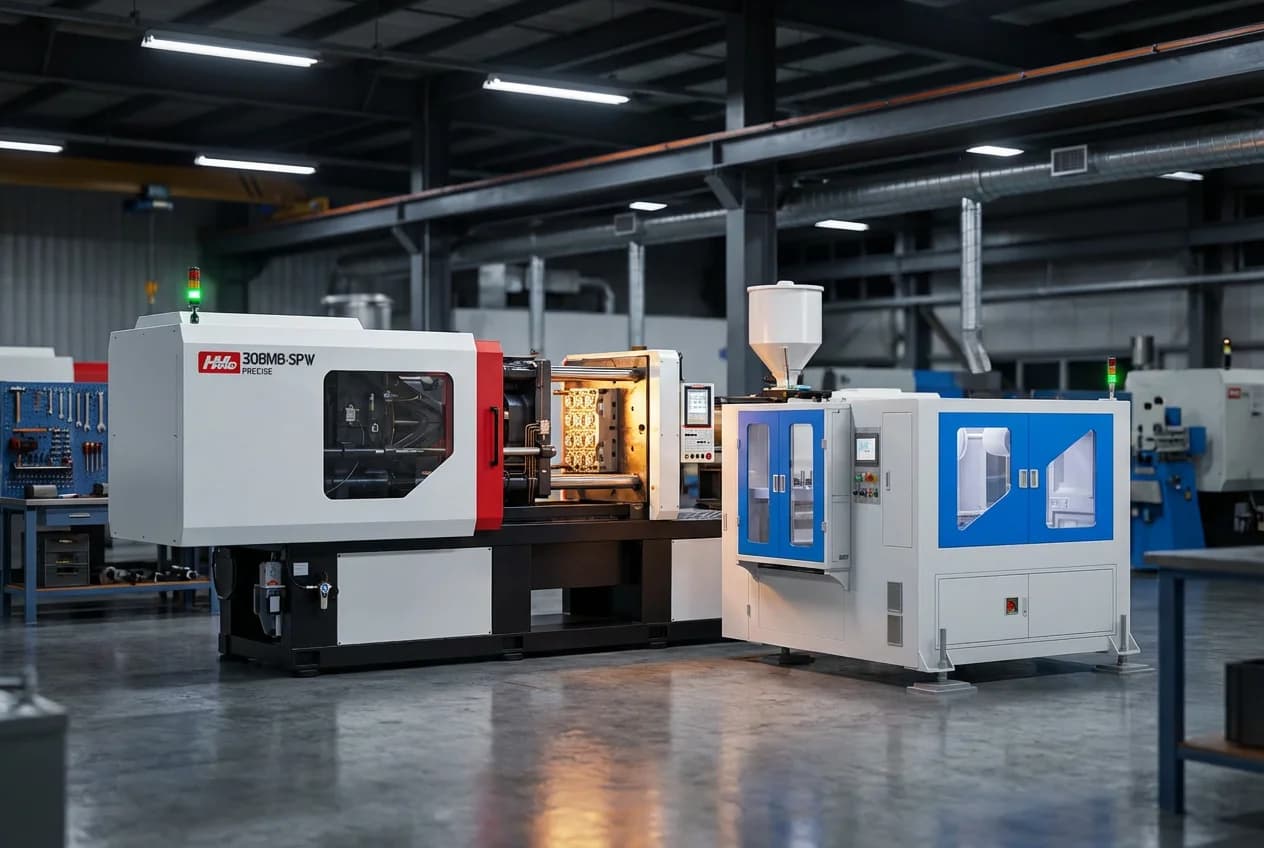
Finished yogurt cups — high-speed thin-wall production
Key Opportunities: Yogurt Cup Production Sector
Jordanian yogurt cups follow Middle Eastern formats with 100 ml, 150 ml, and 200 ml being standard. Part weights range from 4.0-7.0 g with wall thicknesses of 0.40-0.50 mm in food-grade PP. Both traditional white yogurt (laban) and flavored/fruit yogurt require injection-molded cups, with IML becoming standard for branded products. Al-Juneidi and Hamoudeh have invested in IML lines, driving competitive response. A 4-cavity IML line on the HMD 270M8-SPV produces 3,200-4,114 cups per hour, suitable for mid-size dairy companies. The HMD 380M8-SPV with 8-cavity molds delivers 6,400-8,228 cups per hour for major brands. Jordan's dairy export market to Iraq (estimated 40 million+ consumers) creates demand beyond domestic consumption. The country's free trade agreements with the US, EU, and Arab states provide favorable access for packaged food exports.
Import Regulations and Certification Requirements
Injection molding machines enter Jordan under HS code 8477.10.00 with customs duty of 0% for capital goods under Jordan's investment encouragement program. General Sales Tax (GST) is 16%. Machines imported into Qualified Industrial Zones (QIZs) or Jordan's free zones (Aqaba, Zarqa, Sahab) may receive duty and GST exemptions. Food contact packaging must comply with JISM (Jordan Institution for Standards and Metrology, now JSMO - Jordan Standards and Metrology Organization) standards, primarily JS 1145 (plastics for food contact) aligned with EU and FDA frameworks. JSMO certification requires sample submission and testing at JSMO laboratories in Amman, typically taking 21-30 days. Jordan's bilateral trade agreements facilitate re-export, with Jordan-produced goods receiving preferential treatment in US, EU, and Arab League markets. HWAMDA provides complete documentation for JSMO certification and customs clearance support.
Key Specs
- •Injection molding machines enter Jordan under HS code 8477.10.00 with customs duty of 0% for capital goods under Jordan's investment encouragement program.
- •General Sales Tax (GST) is 16%.
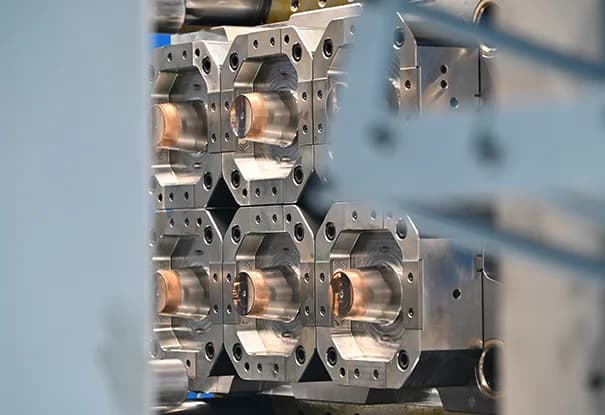
Multi-cavity yogurt cup mold with precision cooling channels
Need Expert Advice?
Talk to our engineers about your specific production requirements. Free consultation.
HWAMDA Equipment Configuration for Jordan
For Jordan's yogurt cup market, HWAMDA recommends the HMD 270M8-SPV (2,700 kN) for 4-cavity operations and the HMD 380M8-SPV (3,800 kN) for 8-cavity IML production. Both models use 400V/50Hz configuration matching Jordan's industrial standard. Jordan's climate ranges from Mediterranean (Amman, 15-35 degrees Celsius) to desert (Jordan Valley, up to 42 degrees Celsius), requiring appropriate cooling packages per installation location. The INOVA controller provides English and Arabic-compatible interface. Molds use 2344 (H13) steel with YUDO valve gate hot runners designed for 100-200 ml Jordanian cup formats. Jordan's power grid is relatively stable (National Electric Power Company provides consistent supply in industrial zones), but voltage stabilizers are still recommended as a precaution. The SPV5's energy efficiency at 1.0-1.2 kWh/kg is valuable given Jordan's electricity costs of approximately $0.10-0.15/kWh, among the highest in the Middle East.
Logistics and After-Sales Support for Jordan
HWAMDA ships from Ningbo to Aqaba port, Jordan's sole seaport on the Red Sea. Transit time is 20-25 days via the Indian Ocean and Red Sea, with ocean freight costs of approximately $2,500-4,000 per 40ft container. From Aqaba, inland transport to Amman (330 km) takes 4-5 hours by truck via the Desert Highway. For QIZ-located factories, goods can clear customs directly in the zone with expedited processing. Standard customs clearance at Aqaba takes 5-8 business days. Installation and commissioning requires 5-7 days on-site by HWAMDA engineers, with English/Arabic-supported training over 3-5 days. After-sales support leverages HWAMDA's Dubai warehouse for spare parts (air freight to Amman, 2-3 days; land freight via Saudi Arabia, 5-7 days). Remote diagnostics via WhatsApp are available in English and Arabic during Middle East business hours.
Key Specs
- •From Aqaba, inland transport to Amman (330 km) takes 4-5 hours by truck via the Desert Highway.
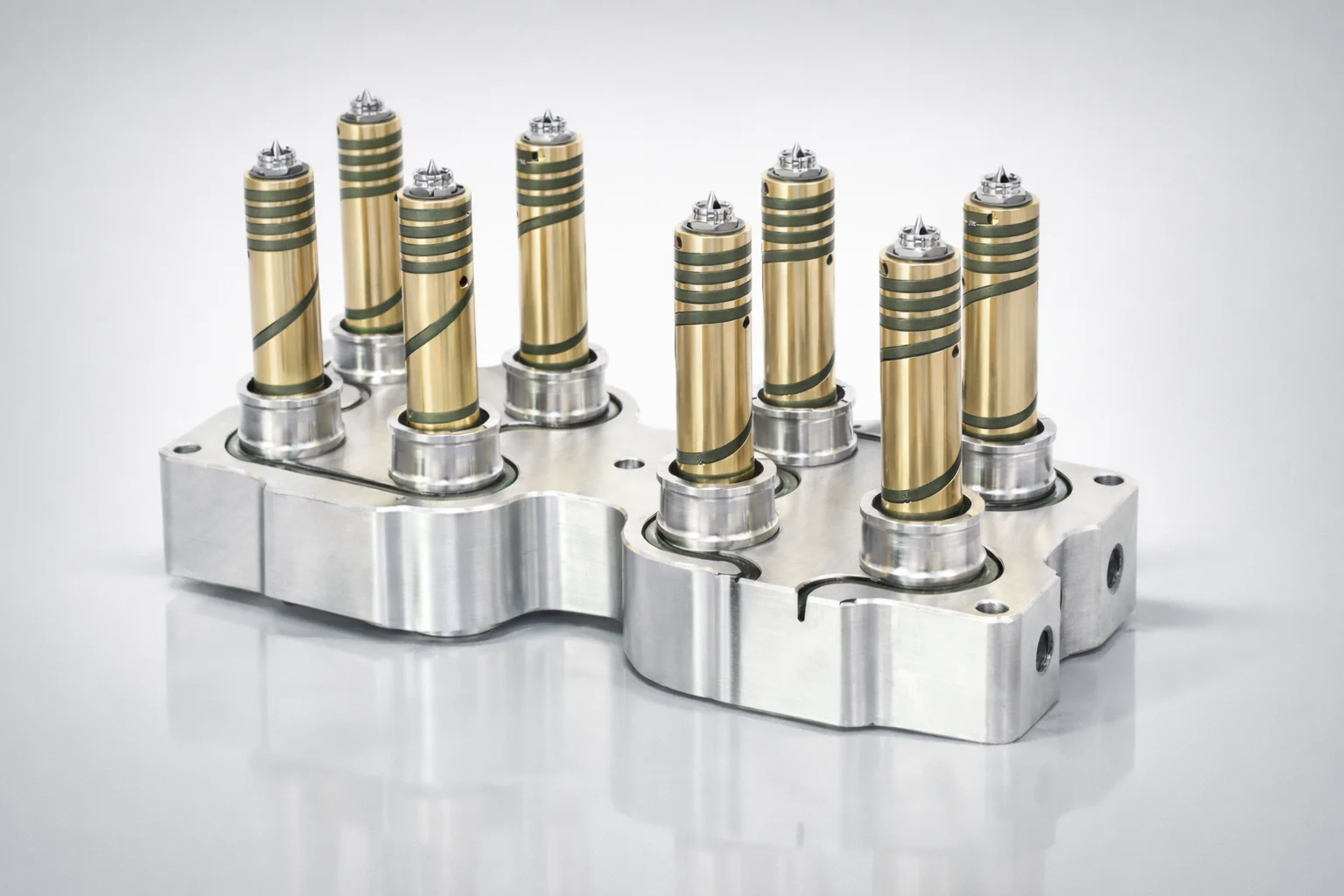
Hot runner system for balanced melt flow distribution
Getting Started: Investment and ROI for Jordan
A complete 4-cavity yogurt cup IML line for Jordan: HMD 270M8-SPV ($55,000-70,000), 4-cavity IML mold ($12,000-18,000), SWITEK IML robot ($15,000-20,000), chiller and auxiliaries ($5,000-8,000), and shipping ($3,000-5,000). Total: $90,000-121,000. Under QIZ or Aqaba SEZ incentives, GST (16%) exemption saves $14,000-19,000. Operating at 4 cavities, 4.0-second cycles, and 85% OEE, annual output reaches 20 million cups. Material cost at 5.0 g per cup and $1,200/MT PP is $0.0060 per cup. With Jordanian industrial electricity at $0.10-0.15/kWh and labor at JOD 300-500/month ($425-705), total production cost is approximately $0.011-0.015 per cup. Wholesale cup prices in Jordan range from JOD 0.020-0.035 ($0.028-0.049), yielding margins of 50-65%. Export to Iraq and Gulf states adds demand. Payback period is estimated at 14-20 months for domestic supply, with faster returns when including export volumes.
Frequently Asked Questions
Yes. Machinery imported into Jordan's Qualified Industrial Zones (QIZs) and the Aqaba Special Economic Zone (ASEZ) receives duty and GST exemptions, saving approximately 16% on total equipment value. QIZ-manufactured products also receive duty-free access to the US market under the Jordan-US FTA. This makes QIZ-located yogurt cup production particularly attractive for exporters serving the US and regional Arab markets.
Related Guides
Ready to Start Your Project?
Get a free consultation and quotation for your thin-wall packaging production line.
Join 500+ manufacturers in 60+ countries who trust HWAMDA.
Get Free Quote