

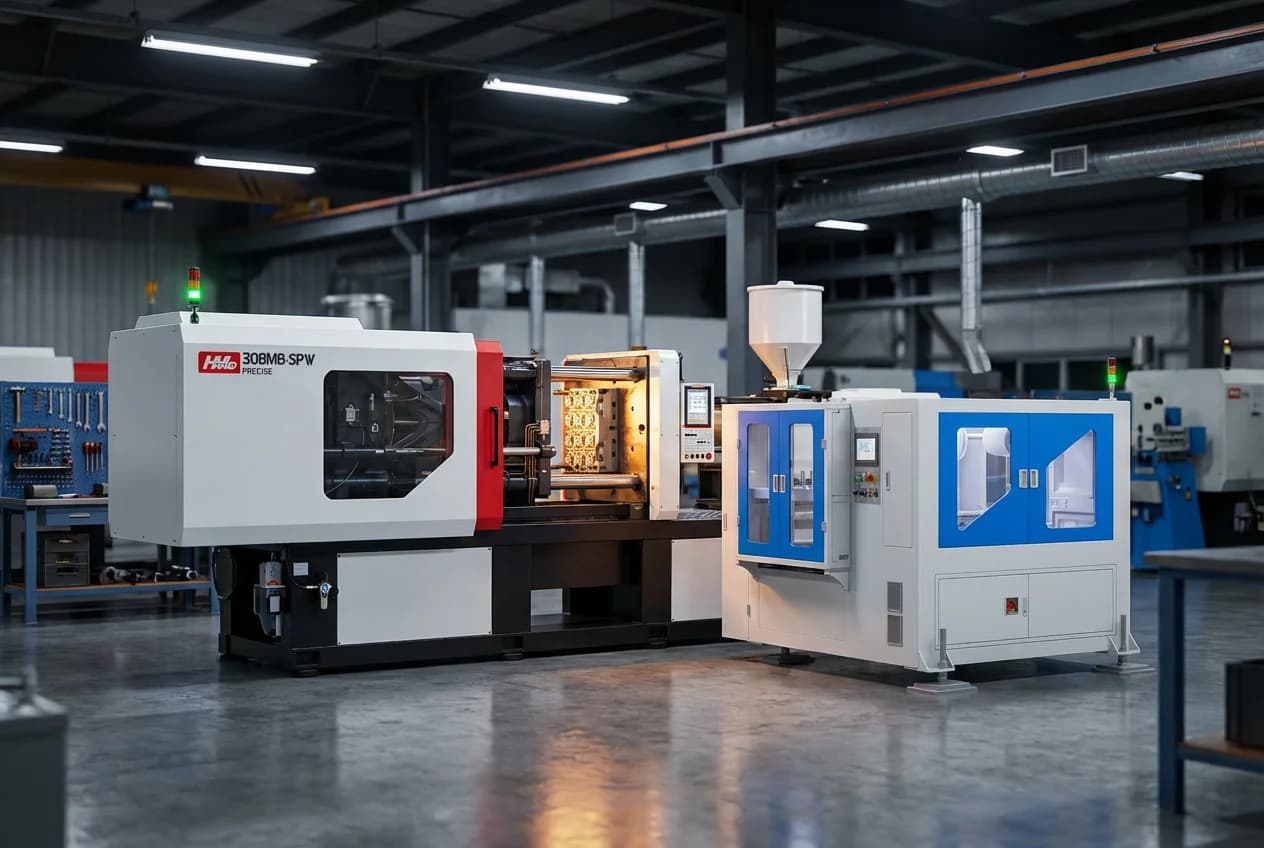
Sri Lanka Food Packaging Market Overview
Sri Lanka has a population of 22.2 million with GDP per capita of approximately USD 3,500 and a food packaging market valued at approximately USD 320 million. The country is one of the world's largest tea producers and exporters, with tea deeply embedded in daily life. Annual plastic packaging consumption exceeds 85,000 tonnes, supported by approximately 50 injection molding companies concentrated in the Colombo-Gampaha-Kalutara Western Province industrial corridor and in Katunayake and Biyagama Export Processing Zones. Major plastics and packaging companies include Delmege Forsyth, Lanka Walltile PLC (plastics division), Unilever Sri Lanka, and several mid-size converters. Sri Lanka's tea consumption pattern creates unique cup demand: the traditional preparation of strong black tea with milk and sugar (plain tea or kiri tea) is consumed 3-4 times daily by most of the population. Modern branded tea outlets including Dilmah t-Lounge, Tea Tang, Heladiv, and emerging bubble tea brands are driving transition from ceramic to disposable branded cups. The growing tourism sector (targeting 4+ million visitors annually) amplifies demand for branded disposable tea cups at hotels, airports, and tourist areas.
Key Specs
- •Annual plastic packaging consumption exceeds 85,000 tonnes, supported by approximately 50 injection molding companies concentrated in the Colombo-Gampaha-Kalutara Western Province industrial corridor and in Katunayake and Biyagama Export Processing Zones.
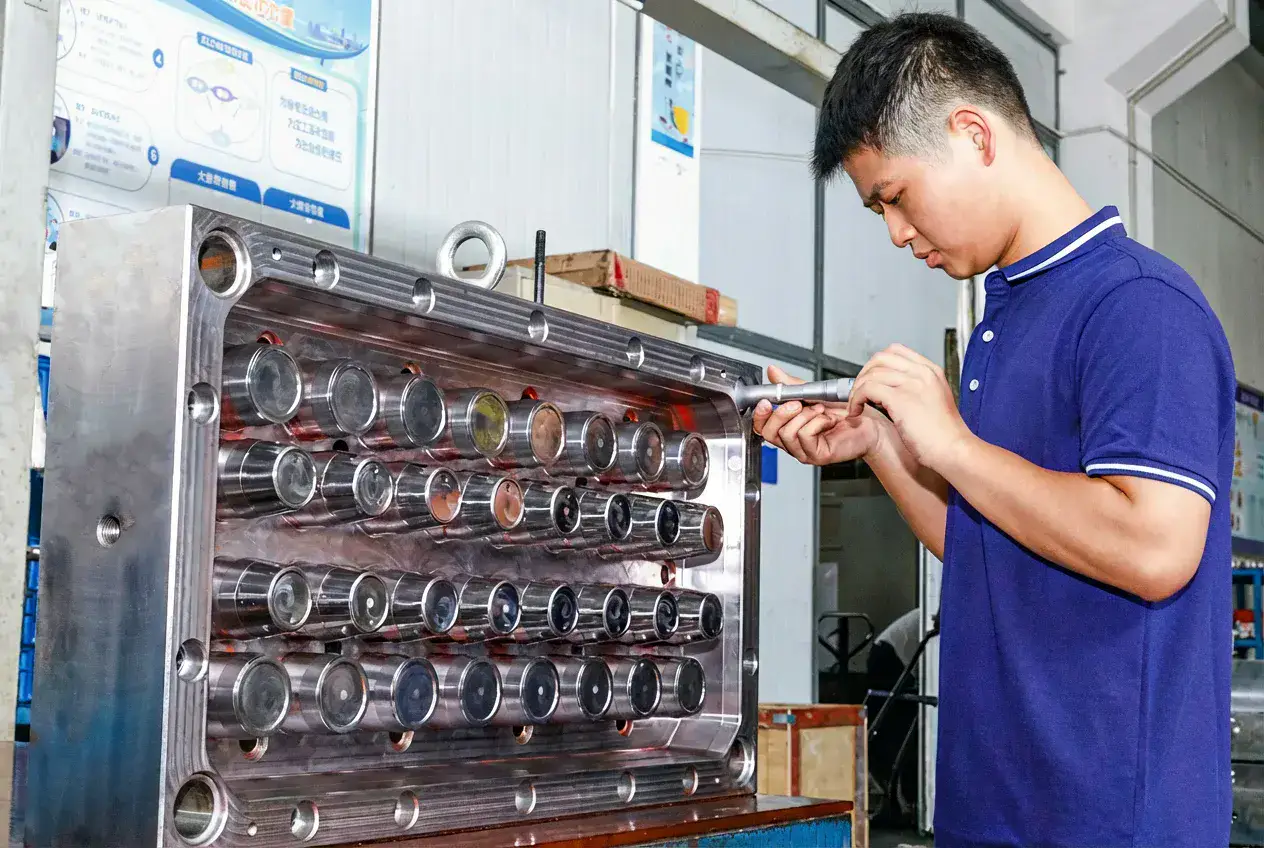
12-cavity milk tea cup mold with IML capability
Key Opportunities: Milk Tea Cup Sector
Sri Lanka's milk tea cup market presents three unique opportunities rooted in the country's tea heritage. First, the branded Ceylon tea retail experience is a growing sector, with Dilmah t-Lounge, Tea Tang shops, and hotel tea lounges creating premium demand for high-quality printed PP cups that showcase Sri Lanka's tea identity. Second, the broader takeaway beverage market including plain tea, milk tea, king coconut drinks, and fruit juices requires disposable cups in 200-500ml sizes. Third, Sri Lanka's tea tourism sector (estate tours, tea tasting experiences) needs branded cups for both on-site and takeaway consumption. Currently, most disposable cups are imported from India and China. Local production offers 30-40% cost savings while enabling faster customization for Sri Lankan brands. A 4-cavity mold on the SPV5-320 producing 300ml milk tea cups at 4.5-second cycles delivers 3,200 cups per hour. The relatively compact Sri Lankan market can be effectively served by a single production line targeting both the branded tea chain and general takeaway sectors.
Import Regulations and Certification Requirements
Sri Lanka classifies injection molding machinery under HS code 8477.10 with standard import duty of 0-5% (industrial machinery generally qualifies for reduced rates). VAT of 18% and CESS may apply. The Board of Investment of Sri Lanka (BOI) grants Section 17 tax exemption for approved manufacturing projects, including duty-free import of machinery, 5-10 year tax holidays, and additional incentives in Export Processing Zones (Katunayake, Biyagama, Koggala). Food-contact packaging must comply with Sri Lanka Standards Institution (SLSI) requirements and the Food Act regulations administered by the Ministry of Health. SLS standards for food-contact plastics reference ISO and Codex Alimentarius guidelines. Electrical supply is 400V/50Hz three-phase. Power reliability has improved in recent years, though stabilization equipment is still recommended. Import documentation requires commercial invoice, packing list, bill of lading, certificate of origin, BOI approval (for duty exemption), and bank documentation. HWAMDA provides CE certificates, food-grade compliance documentation, and technical specifications.
Key Specs
- •Sri Lanka classifies injection molding machinery under HS code 8477.10 with standard import duty of 0-5% (industrial machinery generally qualifies for reduced rates).
- •VAT of 18% and CESS may apply.
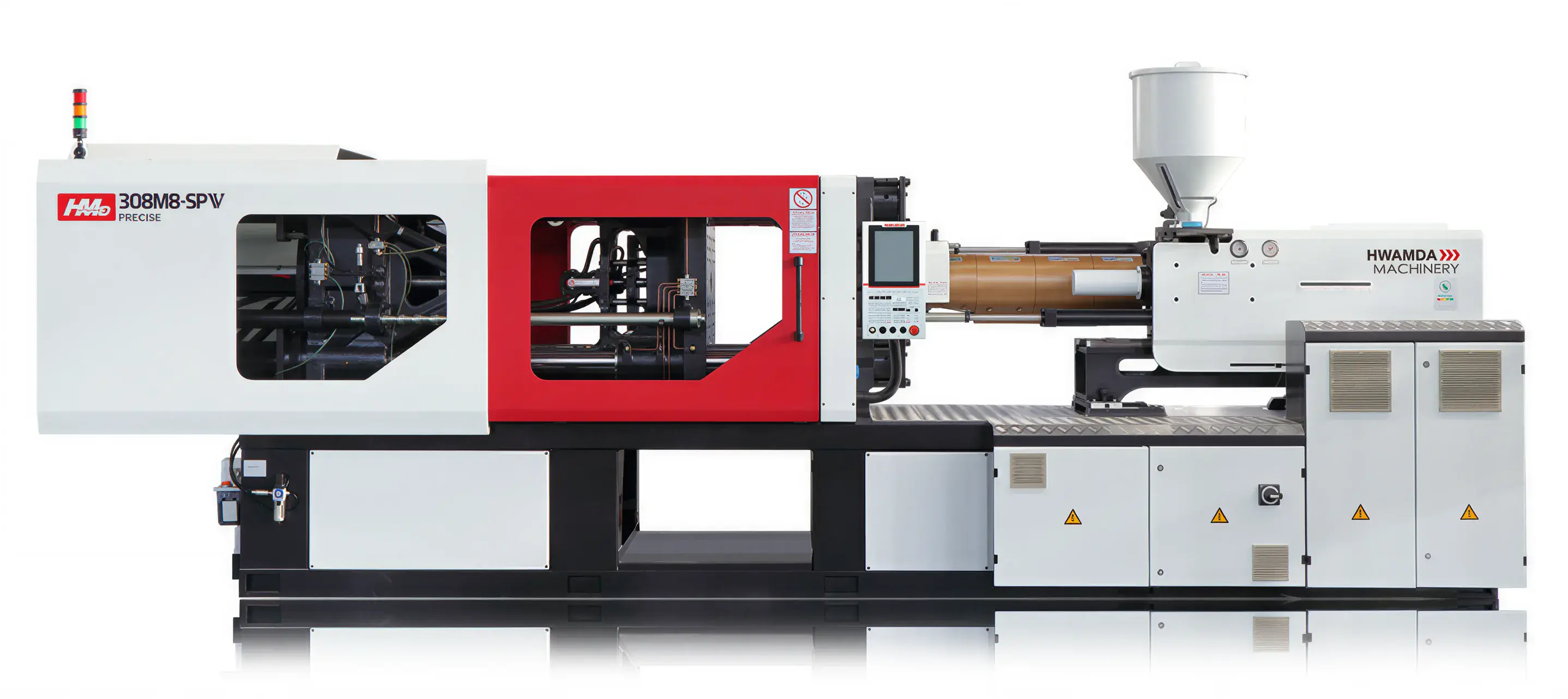
SPV5 high-speed machine for milk tea cup production
Need Expert Advice?
Talk to our engineers about your specific production requirements. Free consultation.
HWAMDA Equipment for This Market
For Sri Lanka's milk tea cup market, HWAMDA recommends the HMD 320M8-SPV (3,200 kN) as the optimal platform for the Sri Lankan market size. The machine handles 4-cavity milk tea cup molds with injection speed and pressure suitable for 0.45mm wall thickness. The recommended configuration is a 4-cavity 300ml milk tea cup mold in 2344 steel with valve gate hot runner, producing 9g cups at 4.5-5 second cycle times. This size matches the standard Sri Lankan tea cup portion served at tea shops and takeaway counters. The complete production line includes the SPV5 machine, cup mold, take-out robot, XC-LF10A industrial chiller, vacuum hopper loader, and conveyor system. A voltage stabilizer is recommended for Sri Lanka's grid conditions. Energy consumption of 1.0-1.2 kWh/kg is efficient for Sri Lankan electricity rates of approximately LKR 30-45/kWh (USD 0.10-0.15/kWh). The compact machine footprint of 6.5 x 1.8 x 2.4 meters suits Sri Lankan industrial units. For premium branded cups, post-molding offset printing or IML integration is available.
Logistics and After-Sales Support
HWAMDA ships to Sri Lanka from Ningbo Port to Colombo Port, one of the Indian Ocean's premier transshipment hubs, with ocean freight transit of 10-14 days via direct services from COSCO, Evergreen, and PIL. Colombo Port's modern infrastructure ensures efficient customs processing. The milk tea cup line ships in one 40-foot container. Installation and commissioning requires 7-10 days with HWAMDA's South Asia service team. Training covers 5 days including machine operation, cup quality control (wall thickness, weight, heat resistance), and maintenance procedures. Spare parts delivery from Ningbo reaches Colombo in 7-10 days by sea or 3-5 days by air freight. Colombo's position as a transshipment hub means faster ocean freight than most South Asian destinations. HWAMDA recommends maintaining a local spare parts inventory for critical components. HWAMDA provides 24-month machine warranty and 12-month mold warranty. Technical support via WhatsApp at +86-159-5888-5672 ensures responsive English-language communication.
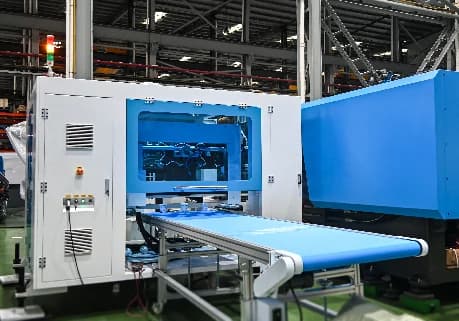
Automatic packing and stacking system
Getting Started: Investment and ROI
Total investment for a complete HWAMDA milk tea cup line for Sri Lanka ranges from USD 140,000 to USD 195,000, including the HMD 320M8-SPV machine (USD 68,000-88,000), 4-cavity milk tea cup mold (USD 9,000-14,000), take-out robot (USD 9,000-14,000), chiller, loader, voltage stabilizer, and auxiliaries. With BOI Section 17 approval, machinery imports are duty-free. At 4-cavity running 4.5-second cycles with 80% OEE, output reaches 2,560 cups per hour or approximately 18.5 million annually. Production cost per 300ml cup: PP resin USD 0.009-0.012, energy USD 0.001, labor USD 0.001, mold amortization USD 0.001, totaling approximately USD 0.012-0.015. Sri Lankan market prices for disposable milk tea cups range from LKR 5-10 (USD 0.016-0.032), yielding gross margins of 25-53%. Compared to imported cups at USD 0.020-0.035 landed, local production saves 25-40%. Equipment payback: 16-24 months with BOI benefits. The tea branding angle adds premium pricing potential. Contact sales@hwamdaglobal.com.
Frequently Asked Questions
The Board of Investment of Sri Lanka (BOI) offers Section 17 benefits for approved manufacturing projects: duty-free import of machinery and raw materials, income tax holiday of 5-10 years depending on investment size and location, and streamlined import/export procedures. Manufacturing in Export Processing Zones (Katunayake, Biyagama) adds additional benefits including subsidized land and utility connections. BOI approval typically takes 30-60 days.
Related Guides
Ready to Start Your Project?
Get a free consultation and quotation for your thin-wall packaging production line.
Join 500+ manufacturers in 60+ countries who trust HWAMDA.
Get Free Quote