

How a Valve Gate Hot Runner System Works
A valve gate hot runner consists of four main components: the heated manifold distributing molten PP from the machine nozzle to multiple cavities, individual nozzles with integrated heaters maintaining melt temperature at each gate, valve pins (steel rods of 2-4mm diameter) that physically open and close each gate, and pneumatic or hydraulic cylinders that actuate the valve pins. During the injection cycle, the sequence is: valve pins retract (open gates) 0.01-0.05 seconds before injection starts, molten PP at 230-245°C flows through the manifold at 15-25 MPa pressure drop and enters cavities through 1.2-3.5mm gate openings, the melt fills all cavities simultaneously through the naturally balanced manifold, packing pressure maintains fill for 0.5-2.0 seconds, valve pins advance (close gates) at the end of packing to mechanically seal each gate, and the manifold maintains melt temperature at 240-260°C while the part cools in the mold. The mechanical gate closure provides two advantages over thermal gates: positive shut-off preventing drool/stringing, and precise gate vestige quality (flush to +0.05mm, versus 0.1-0.3mm vestige with thermal gates).
Key Specs
- •A valve gate hot runner consists of four main components: the heated manifold distributing molten PP from the machine nozzle to multiple cavities, individual nozzles with integrated heaters maintaining melt temperature at each gate, valve pins (steel rods of 2-4mm diameter) that physically open and close each gate, and pneumatic or hydraulic cylinders that actuate the valve pins.
- •During the injection cycle, the sequence is: valve pins retract (open gates) 0.01-0.05 seconds before injection starts, molten PP at 230-245°C flows through the manifold at 15-25 MPa pressure drop and enters cavities through 1.2-3.5mm gate openings, the melt fills all cavities simultaneously through the naturally balanced manifold, packing pressure maintains fill for 0.5-2.0 seconds, valve pins advance (close gates) at the end of packing to mechanically seal each gate, and the manifold maintains melt temperature at 240-260°C while the part cools in the mold.
- •The mechanical gate closure provides two advantages over thermal gates: positive shut-off preventing drool/stringing, and precise gate vestige quality (flush to +0.05mm, versus 0.1-0.3mm vestige with thermal gates).
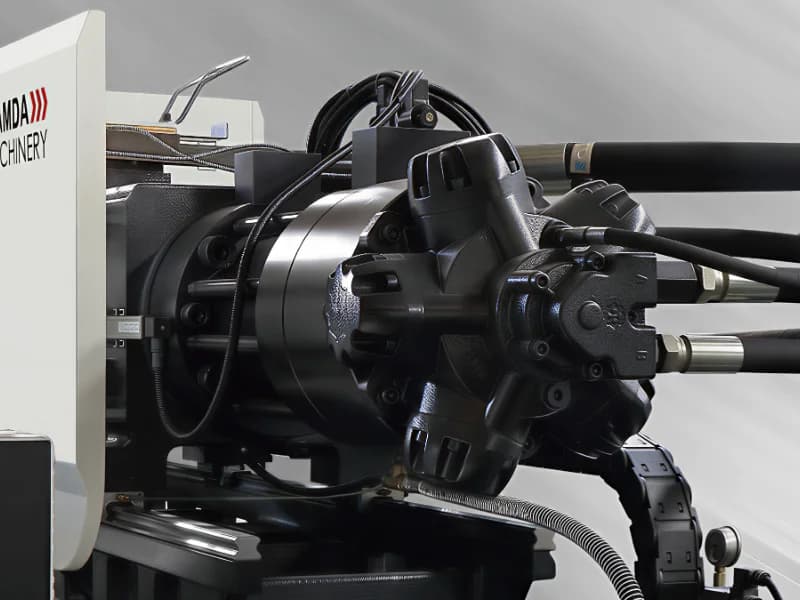
High-speed injection unit with linear guides
Valve Gate vs Thermal Gate: Technical Comparison
Thermal (open) gates rely on temperature control at the nozzle tip to freeze the gate between shots. Valve gates use mechanical pin closure. Key differences for thin-wall packaging: Gate vestige quality: valve gate produces a nearly invisible flush mark (diameter matching the pin, 2-3mm). Thermal gate leaves a protruding nub of 0.1-0.3mm height that may require trimming for food packaging. Processing window: valve gates allow wider pressure/temperature ranges without gate drool or stringing. Thermal gates require precise temperature balance at the nozzle tip within +/-3°C to prevent drool (too hot) or premature freeze-off (too cold). Cycle time: valve gates close mechanically regardless of cooling conditions, enabling faster cycles. Thermal gates need 0.3-0.8 seconds additional time for the gate to freeze thermally. Sequential valve gate (SVG) capability: valve gates can be opened and closed independently, enabling sequential fill patterns for large or complex parts. Thermal gates cannot achieve sequential control. Cost: valve gate hot runners cost 30-50% more than thermal gate systems ($8,000-20,000 vs $5,000-12,000 for 8-drop systems). For thin-wall food packaging on HWAMDA SPV5 machines running at 3.5-5.0 second cycles, valve gates are the standard choice for their superior gate quality and cycle time consistency.
Valve Gate Hot Runner Components in Detail
Manifold: a steel block (typically 4140 or H13 steel) containing precisely machined flow channels of 8-14mm diameter that distribute melt from a single inlet to multiple outlets. Manifold heating uses cartridge or tubular heaters (40-60 W per nozzle zone) with thermocouple sensors providing +/-1-2°C temperature control. Total manifold power: 2-5 kW for an 8-drop system. Nozzles: individual heated units threading into the manifold, each containing a flow channel, heater band (50-100 W), thermocouple, and the gate orifice. Nozzle length ranges from 60-200mm depending on mold plate thickness. For thin-wall PP, nozzle tip designs include: conical tip (YUDO standard, good general performance), flat-face tip (Synventive SynFlow, better thermal separation from the cavity), and torpedo tip (Husky Ultra Helix, optimized melt mixing). Valve pins: precision-ground steel rods, typically M340 or Elmax stainless steel, hardened to 56-60 HRC. Pin diameter matches the gate diameter (1.2-3.5mm for thin-wall packaging). Pin surface finish of Ra 0.2 or better prevents PP adhesion and ensures clean gate closure. Pin replacement cost: $50-150 each, replacement interval 500,000-1.5 million cycles.
Key Specs
- •Manifold: a steel block (typically 4140 or H13 steel) containing precisely machined flow channels of 8-14mm diameter that distribute melt from a single inlet to multiple outlets.
- •Manifold heating uses cartridge or tubular heaters (40-60 W per nozzle zone) with thermocouple sensors providing +/-1-2°C temperature control.
- •Nozzle length ranges from 60-200mm depending on mold plate thickness.
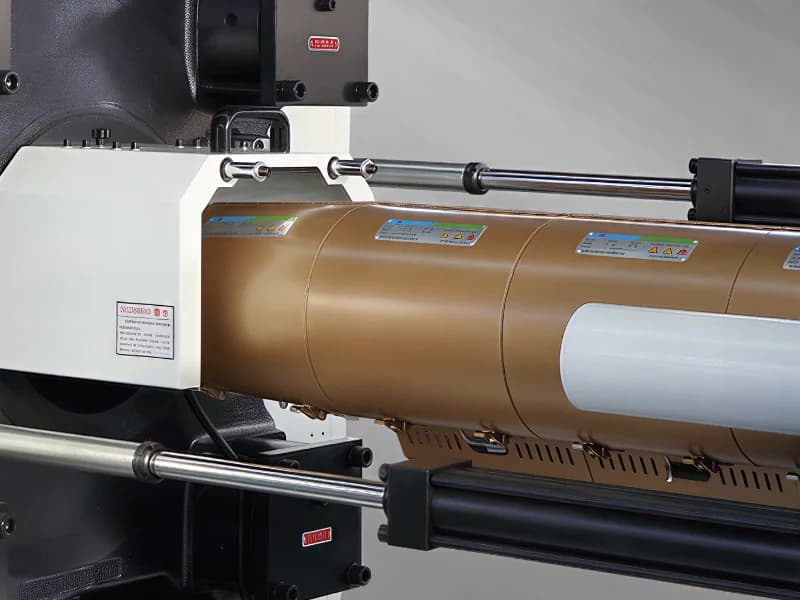
Servo-hydraulic drive system with energy recovery
Need Expert Advice?
Talk to our engineers about your specific production requirements. Free consultation.
Sizing a Valve Gate System for HWAMDA SPV5 Molds
Selecting the right valve gate specifications for a thin-wall mold on the HWAMDA SPV5 requires matching several parameters. Gate diameter: for PP thin-wall, use 1.2-1.5mm for sauce cups (2-4g shot), 1.5-2.0mm for yogurt cups (4-8g), 2.0-2.5mm for food containers (15-25g), and 2.5-3.5mm for large tubs (30-50g). Undersized gates cause excessive shear heating (melt temperature rise of 10-20°C through the gate) and premature freeze-off. Oversized gates leave larger vestige marks and require longer seal time. Manifold flow channel diameter: match to the machine's shot capacity and injection rate. The HMD 400M8-SPV with 60mm screw delivers approximately 200 cm3/s at maximum speed. For an 8-drop system, each flow channel carries 25 cm3/s, requiring minimum 10mm channel diameter to keep shear rate below the degradation threshold of 40,000 s-1 for PP. Manifold pressure drop should be 15-25 MPa maximum, leaving 140-160 MPa available cavity pressure from the machine's 164-165 MPa capacity. Valve pin actuation: pneumatic (3-6 bar air pressure) is standard for thin-wall packaging, providing 0.05-0.15 second response time. Hydraulic actuation (0.02-0.08 second response) is available for ultra-fast cycles below 3 seconds.
Maintenance and Troubleshooting of Valve Gate Systems
Proper valve gate maintenance maximizes uptime and part quality. Regular maintenance schedule: every 50,000-100,000 cycles verify all nozzle zone temperatures match setpoint within +/-2°C, check valve pin stroke and response time (should be consistent across all drops), and purge manifold with commercial cleaning compound to prevent PP degradation buildup. Every 500,000-1,000,000 cycles: inspect valve pins for wear (diameter reduction exceeding 0.05mm requires replacement), check nozzle heater resistance (increase above 10% from nominal indicates impending failure), and verify thermocouple accuracy against a reference sensor. Common valve gate problems in thin-wall production: gate drool (stringing between shots) caused by: pin not fully closing (check actuator air pressure at 4-6 bar), worn pin tip (replace pin), or manifold temperature too high (reduce by 5-10°C). Inconsistent gate vestige caused by: worn pin (replace), debris under pin seat (clean with compressed air), or nozzle misalignment (check nozzle seating torque). One cavity consistently short while others fill normally: sticking valve pin (disassemble and clean), cold nozzle heater (check resistance and replace), or flow restriction in manifold channel to that nozzle (purge at elevated temperature 280-300°C briefly).
Key Specs
- •Regular maintenance schedule: every 50,000-100,000 cycles verify all nozzle zone temperatures match setpoint within +/-2°C, check valve pin stroke and response time (should be consistent across all drops), and purge manifold with commercial cleaning compound to prevent PP degradation buildup.
- •Every 500,000-1,000,000 cycles: inspect valve pins for wear (diameter reduction exceeding 0.05mm requires replacement), check nozzle heater resistance (increase above 10% from nominal indicates impending failure), and verify thermocouple accuracy against a reference sensor.
- •Common valve gate problems in thin-wall production: gate drool (stringing between shots) caused by: pin not fully closing (check actuator air pressure at 4-6 bar), worn pin tip (replace pin), or manifold temperature too high (reduce by 5-10°C).
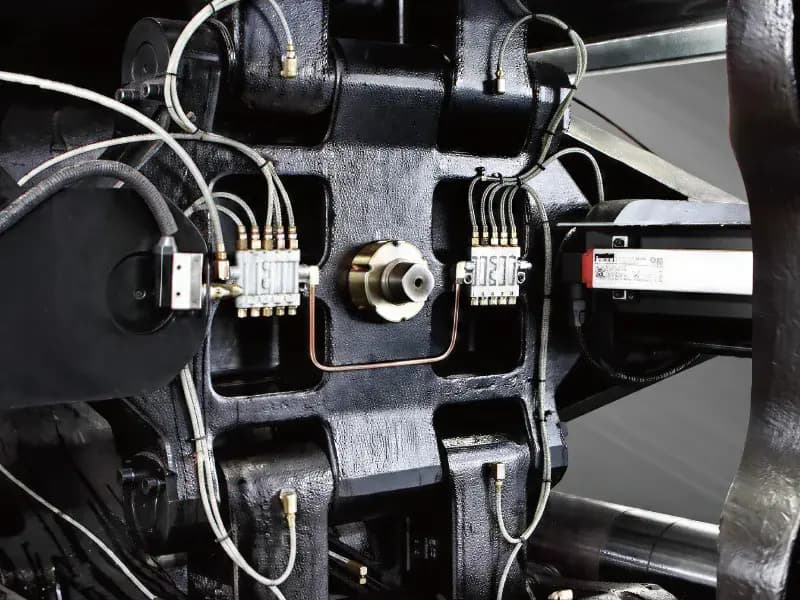
Toggle clamping unit — high rigidity for thin-wall molding
Top Valve Gate Hot Runner Brands for HWAMDA SPV5 Molds
Five hot runner manufacturers dominate the thin-wall packaging sector, each compatible with HWAMDA SPV5 machines. YUDO (South Korea/China): market share leader in Asia, TINA series for packaging, 8-drop system $8,000-12,000, fastest delivery in Asia (2-3 weeks), excellent cost-performance ratio. Synventive (USA/Germany): premium performance, SynFlow and activeGate technology, 8-drop system $12,000-20,000, best gate quality and temperature uniformity (+/-1°C), ideal for premium IML applications. Husky (Canada/China): Ultra Helix 2.0 nozzle technology with patented melt mixing, 8-drop system $12,000-18,000, strong in dairy packaging globally. Mold-Masters (Canada/China): ThinkPAK series specifically designed for thin-wall packaging, 8-drop system $10,000-16,000, good balance of performance and price. HRSflow (Italy): FLEXflow servo-driven valve gate with position control, 8-drop system $15,000-25,000, best-in-class for sequential valve gate applications on large containers. For most HWAMDA SPV5 customers, YUDO provides the best value for 4-8 cavity yogurt cup and food container molds. Specify Synventive or Husky for premium applications where gate vestige quality or ultra-tight process control justifies the 50-100% price premium.
Frequently Asked Questions
For an 8-drop valve gate hot runner system in a thin-wall PP mold: YUDO $8,000-12,000, Mold-Masters $10,000-16,000, Synventive $12,000-20,000, Husky $12,000-18,000, HRSflow $15,000-25,000. The hot runner represents 25-35% of total mold cost. A 4-drop system costs approximately 55-65% of the 8-drop price. Pricing includes manifold, nozzles, valve pins, heaters, thermocouples, and actuators. Temperature controller is typically included.
Related Guides
Ready to Start Your Project?
Get a free consultation and quotation for your thin-wall packaging production line.
Join 500+ manufacturers in 60+ countries who trust HWAMDA.
Get Free Quote